What is a Phlebotomist? Essential Skills, Duties, and Career Insights in Blood Collection
Are you curious about teh vital healthcare roles that ensure accurate diagnosis and patient care? One such critical role is that of a phlebotomist. These healthcare professionals are the unsung heroes behind the scenes of medical laboratories and clinics, specializing in the art and science of blood collection. In this extensive guide, we’ll explore what a phlebotomist is, their essential skills, core duties, career outlook, and practical tips for aspiring blood collection specialists.
Understanding the Role of a Phlebotomist
Defining a Phlebotomist
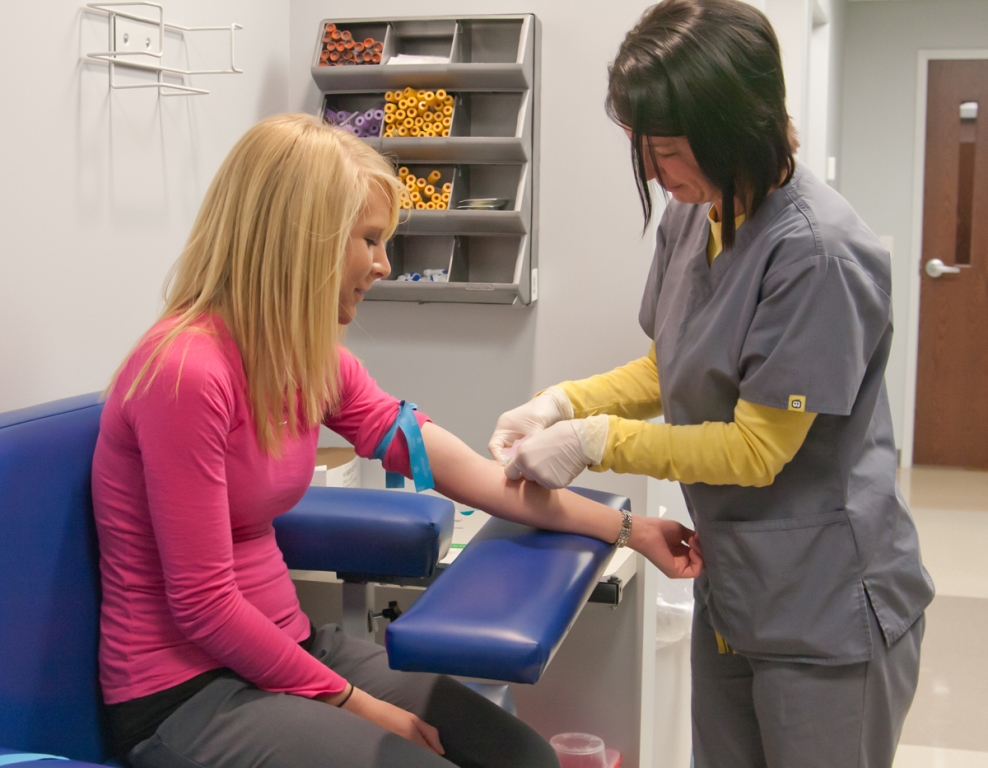
A phlebotomist is a trained healthcare professional responsible for drawing blood samples from patients for laboratory testing, transfusions, donations, or research. Their work is essential to various medical procedures,supporting diagnoses,treatments,and health monitoring.
Why Phlebotomists Are Crucial in Healthcare
Without skilled blood collection specialists, diagnostic testing could be delayed, risking the quality of healthcare delivery. Phlebotomists ensure blood draws are safe, comfortable, and accurate, minimizing patient discomfort and specimen errors.
Essential skills for a Successful Phlebotomist
Technical Skills
- Venipuncture Expertise – mastery of techniques to draw blood effectively and safely
- Knowledge of Anatomy – understanding veins, arteries, and blood flow
- Specimen Handling – labeling, storage, and transportation protocols
- Infection Control – maintaining sterile techniques and proper hygiene
Interpersonal Skills
- Communication Skills – explaining procedures clearly to patients
- Empathy and Compassion – easing patient anxiety and discomfort
- Patience and Calmness – handling tough or anxious patients with ease
- Attention to Detail - ensuring proper identification and documentation
Physical and Psychological Attributes
- Steady Hands - precise needle placement
- Physical Endurance – stamina for frequent blood draws
- Stress Management – ability to work efficiently under pressure
Duties and Responsibilities of a Phlebotomist
Primary Duties
| Task | Description |
|---|---|
| Patient Preparation | Greet patients, explain procedures, and identify needs |
| Blood Collection | Perform venipuncture, capillary punctures, or other collection methods |
| Specimen Labeling | Ensure all samples are accurately labeled and documented |
| Maintaining Equipment | sterilize needles, tourniquets, and collection stations |
| Patient Support | Provide comfort, answer questions, and observe patient reactions |
| Data Entry and Record Keeping | Document collection details in electronic health records (EHRs) |
| Adherence to Safety protocols | Follow OSHA and CDC guidelines for safety and infection control |
Career Pathways and Opportunities in Blood Collection
Educational Requirements
Most phlebotomists complete a certificate program or training course that includes hands-on practice. Certification through organizations like the National Phlebotomy Association (NPA) or American Society for Clinical Pathology (ASCP) can boost job prospects.
Career Advancement
- Specialization in pediatric, geriatric, or Diagnostic Phlebotomy
- Supervisory roles or Lead Phlebotomist
- Transition into medical laboratory technician or nurse roles
- Opportunities in mobile blood donation services or research labs
Job Outlook and Salary Expectations
The demand for qualified phlebotomists continues to grow, driven by increasing healthcare needs and chronic disease management. According to the U.S. Bureau of Labor Statistics, the median annual salary for phlebotomists was approximately $36,000 as of 2022, with potential for higher earnings in certain states or institutions.
Benefits and Practical Tips for Aspiring Phlebotomists
Benefits of a Career in Blood Collection
- High job stability in the healthcare industry
- Opportunities to make a tangible difference in patient health
- Potential for flexible work shifts, including part-time or evenings
- Pathways for professional growth and specialization
practical Tips for success
- Obtain proper certification and stay updated with industry standards
- Practice venipuncture and learn from experienced professionals
- Develop excellent communication and patient care skills
- Maintain attention to detail in labeling and documentation
- Prioritize safety and hygiene to prevent infections
Real-World Case Study: First-Hand Experience of a Phlebotomist
Meet Emily: A Day in the Life of a Certified Phlebotomist
Emily, a certified phlebotomist working in a busy hospital, shares her experience:
“every day is different.Some patients are nervous or anxious, and my job is to make them comfortable while ensuring we get high-quality samples. I take pride in small details like labeling samples accurately and following all safety protocols. It’s rewarding to know that my work helps doctors diagnose and treat patients effectively.”
Conclusion
Becoming a phlebotomist is a rewarding career choice for those interested in healthcare,patient interaction,and precise laboratory work. With the right skills, dedication, and certification, you can build a fulfilling career in blood collection that offers job stability and avenues for growth. Whether your just starting or seeking to enhance your healthcare skill set, understanding the essential duties and skills of a phlebotomist is the first step toward making a meaningful impact in the medical field.