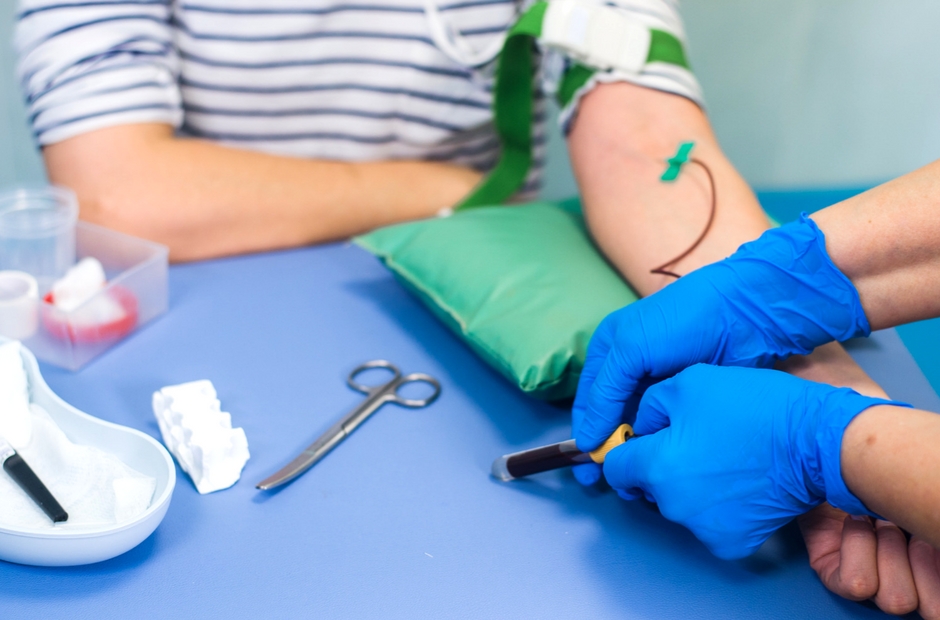
What is a Phlebotomist? Essential Guide to the medical Lab Blood Draw Expert
If you’ve ever undergone a blood test, you’ve likely encountered a phlebotomist. These vital healthcare professionals are specialized in drawing blood samples for testing, transfusions, donations, and other medical procedures. But what exactly does a phlebotomist do? How significant are they within the healthcare system? in this comprehensive guide, we’ll explore everything you need to know about what is a phlebotomist, their roles, skills, training, benefits, and tips for finding a qualified professional.
understanding the Role of a Phlebotomist
Definition of a Phlebotomist
A phlebotomist is a trained healthcare technician who specializes in blood collection and specimen handling. They are licensed or certified professionals responsible for drawing blood from patients’ veins or capillaries, ensuring that samples are collected safely, efficiently, and with minimal discomfort.
Core Responsibilities of a Phlebotomist
- Preparing patients and explaining the blood collection procedure
- Identifying patients correctly to ensure accurate testing
- Selecting appropriate blood collection equipment (needles, tubes, etc.)
- Performing venipuncture or capillary puncture procedures
- Labeling and handling blood samples properly
- Maintaining a sterile surroundings and following safety protocols
- Documenting procedures and patient information accurately
- Assisting in managing inventory of supplies and equipment
The Skills and Qualifications of a Phlebotomist
Required Skills
- Excellent communication skills: Ability to comfort and reassure patients
- Steady hand and manual dexterity: Precise blood draw techniques
- Attention to detail: Accurate labeling and documentation
- Knowledge of anatomy: Understanding of veins and blood flow
- Adherence to safety standards: Infection control and safety protocols
Educational and Certification Requirements
While requirements vary by state and country, typically a high school diploma or GED is necessary to start training. Most aspiring phlebotomists complete a certification program that includes classroom instruction and hands-on training. Certification from recognized bodies such as the American Society for Clinical Pathology (ASCP) or the National Phlebotomy Association (NPA) can enhance job prospects and credibility.
Training and Certification: Pathway to Becoming a Phlebotomist
| Step | Description |
|---|---|
| 1. Education | Complete high school diploma or equivalent |
| 2. Enroll in a Phlebotomy Training Program | Attend a certified course to learn blood collection techniques |
| 3. Hands-on Practice | Gain clinical experience through internships or externships |
| 4. Obtain Certification | Pass certification exam from a recognized agency |
| 5. Licensure (if required) | Meet state-specific licensing requirements where applicable |
The importance of Professional Phlebotomists in Healthcare
Why Is a Phlebotomist Essential?
Professional phlebotomists play a critical role in healthcare by ensuring that blood samples are collected accurately and safely. Reliable blood specimens are vital for diagnosis, treatment, and ongoing patient monitoring. Without skilled phlebotomists, the risk of sample contamination, incorrect results, or patient injury increases considerably.
Benefits of Choosing a certified Phlebotomist
- Enhanced safety and comfort for patients
- Higher accuracy in blood collection and labeling
- Efficient workflow in medical labs
- reduced likelihood of complications or errors
- Compliance with healthcare regulations
Practical Tips When Visiting a Phlebotomist
- Inform the technician of any medical conditions or allergies
- Stay relaxed to make the blood draw easier
- Follow pre-test instructions (e.g., fasting)
- Ask questions if you’re unsure about the procedure
- Notify the staff if you feel unwell during the process
Case Study: A Day in the Life of a Phlebotomist
emily, a certified phlebotomist with five years of experience, starts her day by preparing the blood collection station. Throughout her shift,she draws samples from patients of all ages-infants,elderly,and individuals with special needs. Her calm demeanor reassures nervous patients, and her expertise ensures that each blood sample is collected safely and accurately. Her work helps ensure doctors get precise lab results, which are crucial for diagnoses and treatment plans.
First-Hand Experience: what Patients Say
Many patients describe their phlebotomy experience as swift and painless when performed by a skilled professional. Others appreciate the kind approach and clear communication. Choosing a certified phlebotomist frequently enough translates into less anxiety and better overall experience for the patient.
Summary: The Essential Role of a Phlebotomist
what is a phlebotomist? They are trained healthcare professionals responsible for collecting blood samples with care, precision, and safety. Their expertise is vital in ensuring accurate laboratory testing, which directly impacts patient health outcomes. Whether you’re a patient needing a routine test or a healthcare facility seeking qualified staff, understanding the importance of skilled phlebotomists can guide you in making informed decisions.
Final Thoughts
Phlebotomists are often the unsung heroes within the healthcare system. Their skills, knowledge, and compassionate approach behind the scenes play a significant role in diagnosis and treatment processes. If you’re considering a career in healthcare, training as a phlebotomist offers a rewarding path to help others while enjoying diverse job opportunities in hospitals, clinics, or mobile phlebotomy services. For patients, choosing a certified professional ensures a comfortable, accurate, and safe blood draw experience.