What Is a Phlebotomist? A Complete Guide too the Vital blood collection Profession
If you’re considering a career in healthcare or curious about the medical professions that keep diagnostic laboratories running smoothly,you’re in the right place. One basic but often overlooked role is that of the phlebotomist. These healthcare professionals play a crucial part in patient care by collecting blood samples that help diagnose,treat,and monitor various health conditions. In this extensive guide,we’ll explore what a phlebotomist does,the skills needed,how to become one,and why this profession is vital to healthcare systems worldwide.
What Is a phlebotomist? Understanding the blood Collection Specialist
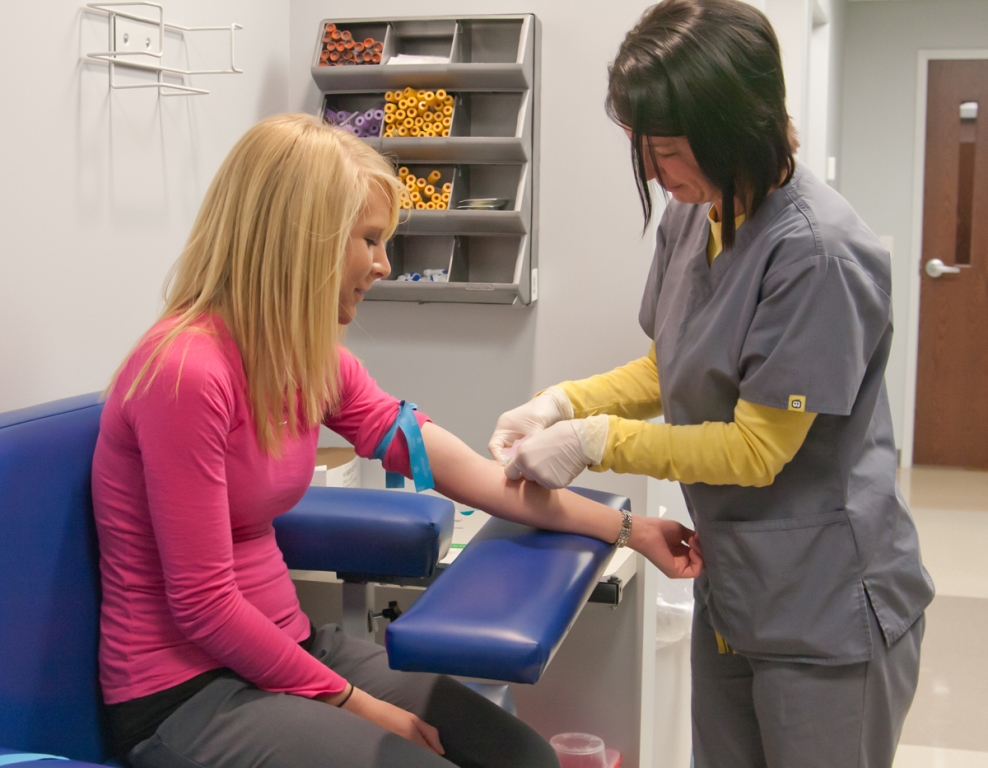
A phlebotomist is a trained healthcare professional responsible for drawing blood from patients for laboratory testing, blood donations, transfusions, or research purposes. The term originates from the Greek words “phlebos” (vein) and “tomia” (cutting). Their primary task is to perform venipuncture, which involves puncturing a vein to obtain a blood sample safely and efficiently.
The Role and Responsibilities of a Phlebotomist
Phlebotomists are essential in the diagnostic process, working closely with doctors, lab technicians, and patients.Their main responsibilities include:
- Identifying patients and verifying their identity before blood collection
- Preparing and sterilizing equipment and collection sites
- Inserting needles properly to draw blood with minimal discomfort
- Handling and labeling blood samples accurately
- Maintaining patient comfort and providing reassurance during procedures
- Following safety protocols to prevent infections and accidents
- Managing and maintaining blood collection supplies and equipment
Skills and Qualities of a Accomplished Phlebotomist
To excel as a phlebotomist, certain skills and qualities are crucial:
- Good interpersonal skills: Ability to comfort anxious or distressed patients
- Attention to detail: Ensuring samples are labeled and handled correctly
- Manual dexterity: Skillful needle insertion and equipment handling
- physical stamina: ability to stand for long periods
- Basic medical knowledge: Understanding blood collection procedures and safety protocols
- Problem-solving skills: Handling tough draws or patient reactions effectively
Training and Certification Needed to Become a Phlebotomist
Educational Requirements
Typically, aspiring phlebotomists need a high school diploma or equivalent. Post-secondary training or certification programs specifically in phlebotomy are highly recommended and frequently enough required by employers.
Certification and Licensing
While certification requirements vary by state and country,obtaining a professional certification can significantly enhance job prospects and credibility. Leading certifying agencies include:
- American Society for Clinical Pathology (ASCP)
- National Healthcareer Association (NHA)
- American Society of Phlebotomy Technicians (ASPT)
Training Components
- Classroom instruction on anatomy, blood collection techniques, and safety
- Hands-on practise with blood draw equipment
- Externships or clinical practice in healthcare facilities
Benefits of a Career as a Phlebotomist
Choosing to become a phlebotomist can offer numerous benefits:
- Job stability and demand: Phlebotomists are in high demand across hospitals, clinics, blood donation centers, and laboratories.
- relatively speedy training: Certification programs can frequently enough be completed within a few months.
- Entry-level possibility: Great for those starting in healthcare without extensive education requirements.
- Rewards of patient care: Making a positive difference by helping diagnose and treat illnesses.
- potential for career growth: Progression into supervisory roles, laboratory technologists, or specialized medical careers.
Practical Tips for Aspiring Phlebotomists
- Practice good hygiene and safety protocols to protect yourself and patients.
- Develop excellent communication skills to ease patient anxiety.
- Gain experiance through internships or volunteering in healthcare settings.
- Continuously update your training to stay current with emerging techniques and standards.
- Build a professional network with healthcare providers and fellow phlebotomists.
Case Study: A Day in the Life of a Phlebotomist
| Time of Day | Activity |
|---|---|
| 8:00 AM | Arrive at hospital, check inventory, prepare supplies |
| 9:00 AM | Collect blood samples from inpatients and outpatients |
| 12:00 PM | Lunch break and chart review |
| 1:00 PM | Assist in blood donation drive, ensuring donor comfort |
| 3:00 PM | Label and transport samples to lab, update patient records |
| 5:00 PM | Wrap up tasks, restock supplies, and finalize documentation |
Frist-Hand Experience: What It’s Like Being a Phlebotomist
Many phlebotomists describe their profession as rewarding yet challenging. The job requires patience, precision, and empathy. Interacting with a diverse range of patients-from nervous children to anxious seniors-makes every day unique. Success in this field depends on developing technical skills and compassionate communication. Those who thrive enjoy the immediate impact they have on patients’ health and well-being, as well as the stability and growth opportunities within healthcare systems.
Conclusion: Why a Career in Phlebotomy Matters
a phlebotomist is an indispensable part of the healthcare team, ensuring accurate diagnosis and effective treatment through expert blood collection.With proper training, certification, and a caring demeanor, you can build a rewarding career in this vital profession. Whether you’re interested in entering healthcare quickly or seeking a meaningful role that directly impacts patient health,becoming a phlebotomist offers a promising and fulfilling path.
Embark on your journey today-discover the opportunities in phlebotomy and become a vital contributor to healthcare excellence.