What Does a Phlebotomist Do? Essential Duties and Skills Explained
Are you curious about the role of a phlebotomist in the healthcare industry? Whether you’re considering a career in medical assisting,a patient needing to understand blood draw procedures,or simply exploring medical professions,understanding what a phlebotomist does is essential. This article provides a comprehensive overview of the duties, skills, and significance of phlebotomists, helping you grasp why they are vital members of healthcare teams.
Introduction to the Role of a Phlebotomist
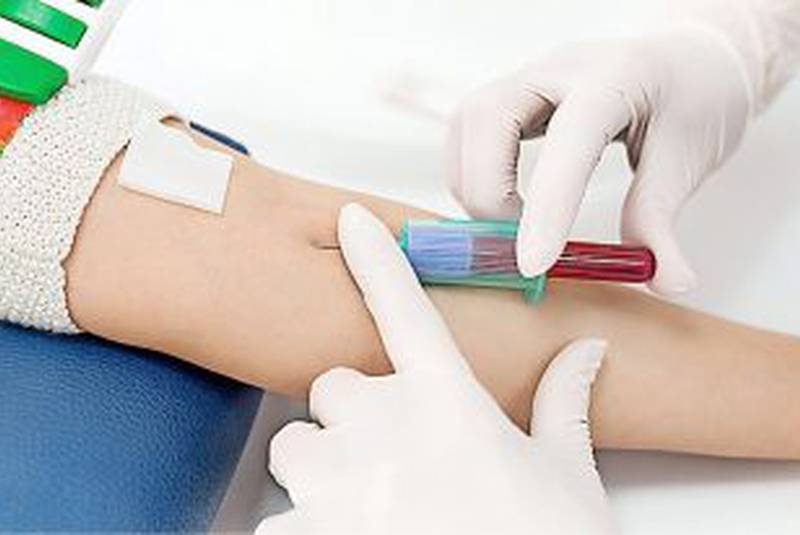
Phlebotomists are trained healthcare professionals responsible for drawing blood from patients for laboratory testing, donation, transfusions, or research. Their role demands precision, empathy, and technical expertise to ensure safe and efficient blood collection processes. As a bridge between patients and the laboratory, phlebotomists play an indispensable part in diagnosing and monitoring various health conditions.
Key Responsibilities of a Phlebotomist
Primary Duties
- Blood Collection: Using appropriate techniques to draw blood from patients of all ages.
- Patient Planning & Comfort: Explaining procedures, calming anxious patients, and ensuring comfort during blood draws.
- Labeling & Handling Specimens: Properly labeling blood samples to prevent errors and ensuring correct storage and transport.
- Safety & Hygiene: Maintaining sterile environments and following safety protocols to prevent contamination.
- Record Keeping: Documenting patient details, blood test orders, and ensuring data accuracy.
- Equipment maintenance: Calibrating and maintaining phlebotomy tools and supplies.
Essential Skills and Qualities of a Successful Phlebotomist
Core Skills Needed
- Attention to Detail: Precise blood collection and accurate specimen labeling.
- Good interpersonal Skills: Comforting and communicating effectively with patients.
- Knowledge of Anatomy: Understanding veins, arteries, and blood flow to perform successful draws.
- Technical Proficiency: Familiarity with various blood collection devices like needles, tubes, and syringes.
- Adaptability & Calmness: Handling challenging situations and managing stressful environments calmly.
- Adherence to Safety Protocols: Following OSHA guidelines and infection control standards.
Additional qualities
- Empathy & Compassion
- Patience & Perseverance
- Professionalism & Integrity
- Teamwork & Collaboration
Training and Certification Requirements
Becoming a phlebotomist typically involves completing a formal training program that covers anatomy, blood collection techniques, safety procedures, and patient communication. Certification requirements vary by state and institution but often include passing a certification exam.
| Certification Body | Requirements | Validity |
|---|---|---|
| American Society for Clinical Pathology (ASCP) | Completed training + exam | 3 years |
| National Phlebotomy Association (NPA) | Training + exam | 4 years |
| American Allied Health Association (AAHA) | Certified coursework | 5 years |
Benefits of Being a Phlebotomist
- High demand in healthcare facilities
- Opportunities for career advancement
- Relatively speedy entry into the healthcare field with specialized training
- Fulfilling work helping diagnose and monitor health conditions
- Flexibility in work settings such as hospitals, clinics, blood banks, and research labs
Practical Tips for Aspiring Phlebotomists
- Get certified: Enroll in accredited training programs to boost employability.
- Develop good communication skills: Practice explaining procedures clearly and empathetically.
- Learn anatomy: Understanding vein locations and blood flow is crucial for success.
- Practice safety: Always follow protocols to safeguard yourself and your patients.
- Gain hands-on experience: Volunteer or seek internships to build confidence and skill.
Case Study: A Day in the Life of a Phlebotomist
Maria, a certified phlebotomist working in a busy hospital, starts her day by reviewing her schedule. Throughout her shift, she:
- assists patients with blood draws, including children and anxious adults.
- Ensures proper labeling and handling of specimens for accurate lab results.
- Maintains cleanliness and safety standards in her work area.
- Communicates with laboratory staff and updates patient records.
- Provides emotional support to nervous patients, making the process more comfortable.
Maria’s role exemplifies the importance of technical skill combined with compassion in healthcare.
Conclusion
a phlebotomist plays an essential role in the healthcare system by expertly collecting and handling blood specimens for various medical purposes. Their responsibilities extend beyond simple blood draws—they provide comfort,ensure safety,and support accurate diagnosis. If you have an interest in healthcare, possessing strong interpersonal skills, and are detail-oriented, pursuing a career as a phlebotomist can be both rewarding and impactful.Whether you’re seeking practical training, certification, or just want to learn more about this vital profession, understanding the duties and skills of a phlebotomist is the first step toward a fulfilling career in medical assisting and laboratory support.