What Are the Educational Requirements to Become a Phlebotomist? Your Complete Guide
Embarking on a career as a phlebotomist can be both rewarding and fulfilling, especially if you enjoy helping others and working in healthcare. But before diving into this healthcare profession, understanding the educational requirements is essential. This comprehensive guide will walk you through what you need to know about becoming a certified phlebotomist, including training programs, certifications, skills, and practical advice to kickstart your career.
Introduction
Phlebotomy is a vital healthcare skill involving drawing blood for laboratory testing, blood donations, or blood transfusions. As demand for qualified phlebotomists continues to grow,it’s critically important to understand the educational journey involved. Whether you’re starting from scratch or considering a career change, this guide covers everything you need to know about the training, certification, and skills necessary to excel in this profession.
What Is a Phlebotomist?
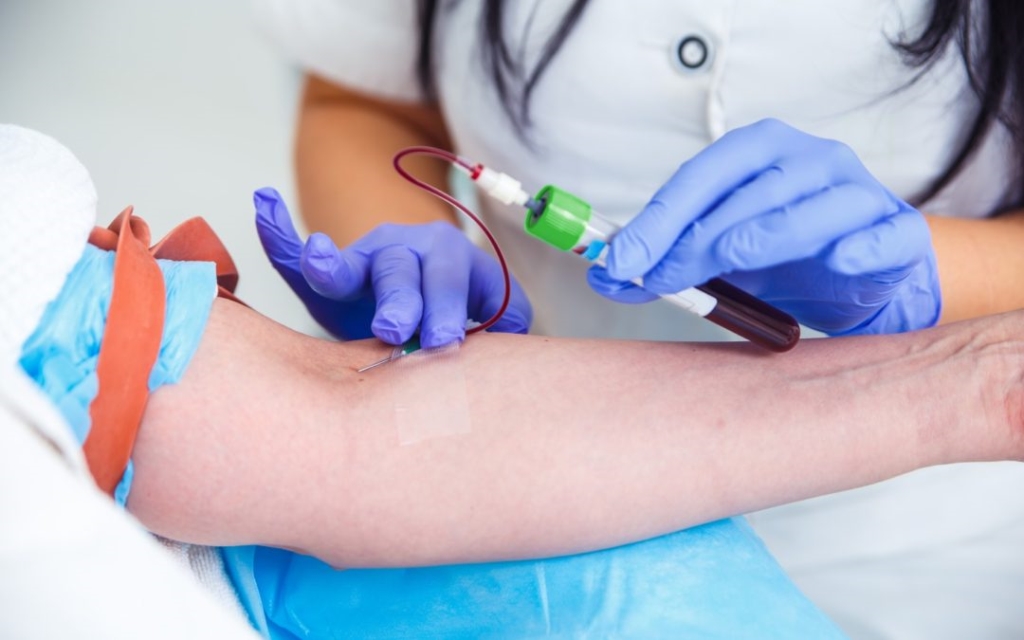
A phlebotomist is a healthcare professional trained to draw blood samples from patients.These samples are then used for diagnostic testing, blood donations, or other medical purposes. Phlebotomists often work in hospitals, laboratories, clinics, and blood banks. Their role requires a precise skill set, attention to detail, excellent communication, and a strong understanding of safety protocols.
Educational Requirements to Become a Phlebotomist
The educational pathway to becoming a phlebotomist is approachable and varies depending on your location, career goals, and the specific requirements of employers. In general, the pathway involves:
1. High School Diploma or Equivalent
Most phlebotomy programs and employers require candidates to have at least a high school diploma or GED. This forms the foundation for further training and certification.
2.Completion of a Certified Phlebotomy Training Program
Prospective phlebotomists need to complete an approved training program, which covers both theoretical knowledge and practical skills. These programs can be found at:
- Community colleges
- Vocational schools
- Private training centers
Training programs typically range from a few weeks to several months in duration, depending on their scope and depth.
3.Certification
While not always mandatory, obtaining certification significantly improves employability and demonstrates professionalism. Certification requirements vary by state and employer but generally include:
- Completion of a certified training program
- Passing a certification exam (e.g., CPT, Phlebotomy Technician Certification)
- Meeting clinical hour requirements (usually around 40-120 hours)
Some states require certification for licensure, so it is important to consult local regulations.
Details of Phlebotomy Training Programs
Core Curriculum
Training programs encompass several core areas, including:
- Basic anatomy and physiology
- Venipuncture techniques
- Blood collection safety and infection control
- Patient interaction and communication
- Handling and labeling specimens
- Legal and ethical considerations
Practical Skills and Clinical experience
Most programs incorporate hands-on practice through simulation labs and clinical rotations, where students practice on live or simulated patients under supervision. This practical experience is crucial for developing confidence and competence in blood draws and patient care.
Certification Options and Requirements
certification helps establish credibility and can enhance career prospects. Some well-recognized certifications include:
| Certification Name | Issuing Institution | Requirements | Validity |
|---|---|---|---|
| Certified Phlebotomy Technician (CPT) | American Society for Clinical Pathology (ASCP) | Complete accredited training + exam | 3 years, renewable |
| National Certified phlebotomy Technician (NCPT) | National Healthcareer Association (NHA) | Training + exam + clinical hours | 5 years, renewable |
| Certified Phlebotomy Technician (CPT) by NHA | NHA | Educational credentials + exam | Renew every 2 years |
Skills and Personal Attributes Required
Aside from educational credentials, accomplished phlebotomists possess various skills:
- Attention to detail
- Strong communication skills
- Steady hand and manual dexterity
- Empathy and patient care skills
- Knowledge of safety protocols
- Problem-solving abilities
Practical Tips for Aspiring Phlebotomists
- Research accredited training programs in your area.
- Ensure the program includes clinical practice hours.
- Prepare for certification exams by reviewing learned material regularly.
- Gain hands-on experience through internships or volunteering.
- Stay informed about state licensure requirements.
- Develop excellent communication and patient interaction skills.
Benefits of Becoming a Certified Phlebotomist
Certification can offer several advantages:
- Increased job opportunities
- Higher earning potential
- professional recognition and credibility
- Ability to work in diverse healthcare settings
Case study: Career Progression in Phlebotomy
Jane, a recent graduate, completed a certified phlebotomy program at her local community college. After obtaining her certification, she worked as a phlebotomist in a hospital lab, honing her skills and gaining clinical experience. Over time, Jane pursued advanced certifications and took on supervisory roles, eventually transitioning into a healthcare technician position with expanded responsibilities.her journey highlights how foundational education and certification lay the groundwork for career growth.
First-Hand Experience: What It’s Like to Be a Phlebotomist
Many phlebotomists find their work fulfilling as they assist patients directly and contribute to vital medical diagnoses. While some blood draws can be challenging, proper training and experience build confidence. The job also requires patience, especially when dealing with anxious or difficult patients. Ultimately, deliberate practice, ongoing education, and a caring attitude can make you a successful phlebotomist.
Conclusion
becoming a certified phlebotomist involves a clear educational pathway that starts with a high school diploma and includes specialized training, clinical practice, and certification. By understanding and fulfilling these requirements, you can embark on a rewarding career in healthcare with opportunities for growth and specialization. Whether you’re just starting out or seeking to advance, the demand for qualified phlebotomists makes this a promising profession.
If you’re considering a career in healthcare and enjoy patient interaction, becoming a phlebotomist could be the perfect fit. With the right education and dedication, you’ll be well on your way to making a difference in people’s lives.