Essential Phlebotomy Responsibilities: A Complete Guide to Blood Collection and Patient Care
Phlebotomy, the art and science of blood collection, is a vital component of healthcare that ensures accurate diagnostics and patient well-being. Whether you’re a practicing phlebotomist or aspiring to enter this rewarding field, understanding the core responsibilities involved in blood collection and patient care is essential for success. This extensive guide will explore the key duties, skills, safety protocols, and practical tips that define professional phlebotomy practice.
Introduction
In the realm of medical testing and diagnostics, phlebotomists serve as the frontline professionals responsible for collecting blood samples with precision and compassion. Their responsibilities go beyond merely drawing blood; they encompass patient safety, strict adherence to protocols, and maintaining a compassionate approach to patient care. This vital role demands technical skill, attention to detail, and excellent dialog abilities to foster trust and ensure high-quality results.
Core Responsibilities of a Phlebotomist
1. Preparing for Blood Collection
- Review Order and Patient Information: Confirm test orders and identify patient details accurately to prevent errors.
- Gather Necessary Equipment: Prepare needles, gloves, tourniquets, collection tubes, alcohol swabs, and labels.
- Confirm Patient Identity: Use two identifiers like name and date of birth to ensure correct specimen collection.
- Ensure Proper Patient Positioning: Assist patients in comfortably positioning themselves,optimizing vein access and safety.
2. Performing Blood Collection
- Apply Safety Protocols: Use personal protective equipment (PPE) such as gloves, and follow universal precautions.
- Locate Suitable Vein: Use visual and tactile cues to identify the best vein for venipuncture.
- Clean Venipuncture Site: Disinfect the area with alcohol swab, allowing it to dry fully.
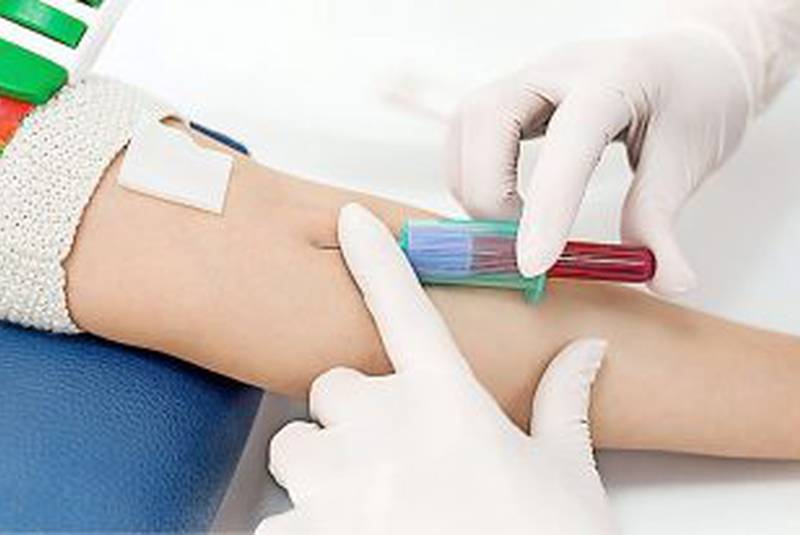
- Perform Venipuncture: Insert needle at the correct angle, and collect blood into specified collection tubes.
- Label Samples Accurately: Promptly label tubes with patient details, date, and time.
- Apply Pressure and Bandage: After needle removal, apply pressure to prevent hematoma and secure with bandage.
3. Ensuring Patient Safety & Comfort
- Communicate Clearly: Explain procedures to alleviate patient anxiety and answer questions compassionately.
- Monitor Patient Response: Watch for signs of dizziness, fainting, or adverse reactions during and after the procedure.
- Provide Post-Draw Instructions: Advise patients on caring for the puncture site and when to seek medical attention if needed.
4. record Keeping & Documentation
- Document Procedures: Record blood collection details accurately in patient records, including any complications.
- Manage Samples: Ensure specimens are transported safely to the laboratory promptly and according to protocols.
5. Maintaining Safety & Infection Control
- Follow Strict Hygiene protocols: Regular handwashing and surface disinfection are vital.
- Proper Disposal of Waste: Dispose of needles and contaminated materials in approved sharps containers.
- Handle Biohazards Carefully: Follow laboratory guidelines for specimen handling and spill management.
Benefits of Mastering Phlebotomy Responsibilities
- Providing accurate diagnostic samples enhances patient health outcomes
- Reducing the risk of sample contamination or errors
- Promoting patient trust and comfort during procedures
- Developing a reputable professional profile with excellent skills
- Ensuring compliance with healthcare regulations and safety standards
Practical Tips for Aspiring and Practicing Phlebotomists
- Practice proper Technique: Repeatedly honing venipuncture skills improves efficiency and reduces discomfort.
- Stay updated: Keep up with industry guidelines, safety standards, and new technology in blood collection.
- Enhance Communication Skills: building rapport with patients eases procedures and fosters cooperation.
- Maintain Cleanliness and Institution: An organized workspace minimizes errors and enhances safety.
- Focus on Patient Care: Showing empathy and patience promotes positive experiences for patients.
Common Challenges & How to Overcome Them
Challenge: Difficult Veins
Solution: Use tourniquets effectively, employ alternative sites, or seek assistance from experienced colleagues.
Challenge: Patient Anxiety or Fear
Solution: explain procedures clearly,use calming language,and offer reassurance.
Challenge: Cross-Contamination Risks
| Risk | Prevention Tips |
|---|---|
| Needle Stick Injuries | Use safety-engineered sharps and dispose of needles immediately after use. |
| Sample Contamination | Adhere to aseptic techniques and verify labels before processing. |
Case Study: Triumphant Blood Collection in difficult Venous Access
Maria, a seasoned phlebotomist, was challenged with a patient having fragile veins. Using advanced techniques like the butterfly needle and warming the site, she succeeded in blood collection without discomfort.This experience underscores the importance of skill, patience, and innovation in phlebotomy responsibilities.
First-Hand Experience: The Human Side of Phlebotomy
For many phlebotomists, the most rewarding aspect is making patients agreeable during what can be a stressful experience. Empathy, clear communication, and professionalism turn a routine blood draw into a positive healthcare interaction. These qualities are as vital as technical skills and are part of comprehensive blood collection responsibilities.
Conclusion
Mastering the essential responsibilities of phlebotomy is fundamental to providing safe, accurate, and compassionate patient care. From preparing the right equipment and performing blood draws with precision to maintaining safety protocols and fostering patient trust, every task plays a crucial role. Whether you’re starting your journey in the healthcare field or looking to refine your skills, understanding and executing these responsibilities will elevate your professional performance. Embrace continuous learning, practice empathy, and prioritize safety to excel in this vital healthcare profession.