Ultimate Guide to Phlebotomy & EKG certification: boost Your Healthcare Career Today
Embarking on a career in healthcare can be both rewarding and fulfilling. Among the numerous certifications available, phlebotomy and EKG certification stand out as essential credentials for aspiring medical professionals. this comprehensive guide will walk you through everything you need to know about obtaining these certifications, their benefits, practical tips for success, and how they can significantly enhance your healthcare career.
Introduction
In today’s competitive healthcare landscape, having specialized certifications can make a significant difference in job prospects, salary potential, and professional growth. Whether you’re considering a career in medical assisting, nursing support, or electrophysiology, phlebotomy and EKG certifications serve as valuable credentials that open doors to diverse opportunities.
This article offers an in-depth look into the essentials of phlebotomy and EKG certification, providing insights into training programs, certification processes, benefits, and tips to excel in your certification journey.
What Is Phlebotomy & Why Is It Critically important?
Understanding phlebotomy
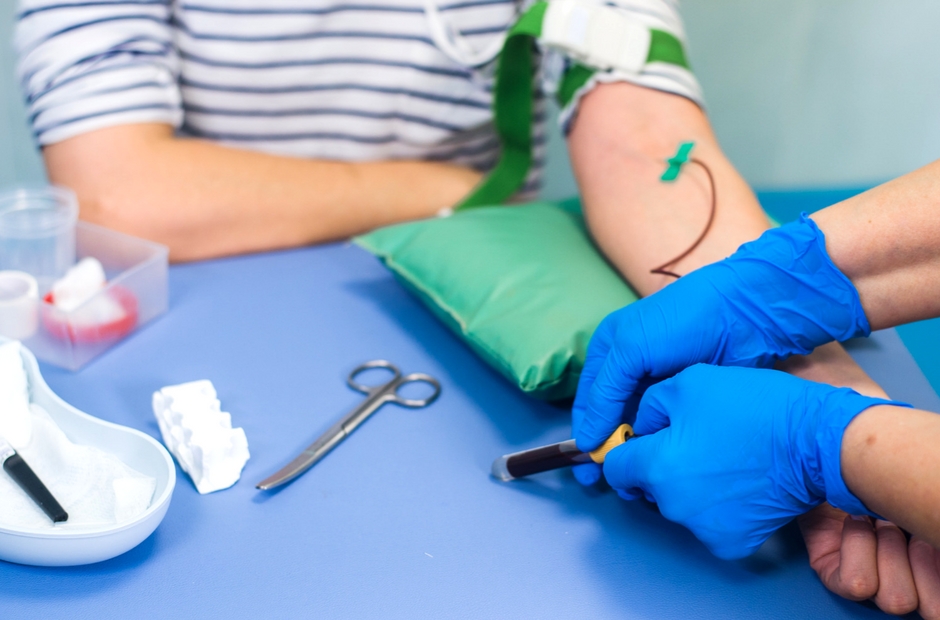
Phlebotomy involves the collection of blood samples from patients for diagnostic testing, blood donations, or research. Skilled phlebotomists are crucial in ensuring accurate sample collection, patient comfort, and safety.
Key Responsibilities of a Phlebotomist
- Properly preparing patients for blood draws
- Venipuncture techniques
- Labeling and handling specimens
- Maintaining sterile environments
- Recording patient details accurately
What Is EKG Certification & Its significance?
Understanding EKG Technician Role
Electrocardiogram (EKG or ECG) technicians perform diagnostic tests that record the heart’s electrical activity. They are vital in detecting cardiac abnormalities, arrhythmias, and other heart conditions.
Core Tasks of an EKG Technician
- Preparing patients for EKG tests
- Applying electrodes accurately
- Operating EKG machines and recording results
- Ensuring patient comfort and safety
- Occasionally assisting with stress tests or Holter monitoring
Paths to Certification: How to Get Certified in Phlebotomy & EKG
Steps to Becoming a Certified Phlebotomist
- Research accredited phlebotomy training programs
- Complete required classroom instruction and hands-on practice
- Accumulate mandated hands-on blood draws (varies by state)
- Pass the Certification Exam (e.g., CPT, Phlebotomy Technician Exam)
- Apply for certification through organizations like ASCP or NHA
Steps to Becoming a Certified EKG Technician
- Enroll in an EKG technician training program
- Complete coursework on cardiac anatomy, physiology, and EKG procedures
- Gain practicum or clinical experience
- Pass the EKG Technician Certification Exam (e.g., through NHA or AMT)
- Maintain certification through Continuing Education (CE)
Popular Certification Organizations & Their Requirements
Benefits of Obtaining Phlebotomy & EKG Certification
- Enhanced Employability: Stand out in a competitive job market.
- Higher Salary Potential: Certified professionals often command better pay.
- Career advancement: Open doors to specialized roles or supervision opportunities.
- Job Adaptability: Opportunities in hospitals, clinics, labs, or mobile services.
- Professional Credibility: Recognition from reputable organizations assures quality and competence.
Practical Tips for Success in Certification
Choose Accredited Programs
ensure the training program is accredited by a recognized agency to guarantee quality education and eligibility for certification exams.
Hands-On Practice Is Key
Maximize clinical hours and real-world practice to build confidence and skill proficiency in blood draws and EKG procedures.
Study Effectively
- Use practice exams and flashcards
- Participate in study groups
- Review procedural videos and tutorials
Stay Updated & Continue Education
Healthcare standards evolve, and ongoing education helps maintain certification and expands your skills.
Case Study: From Certification to Career Advancement
meet Sarah, a healthcare assistant who obtained her phlebotomy and EKG certification. after completing her training and passing her certification exams,she secured a role at a busy cardiology clinic. Within a year, Sarah’s specialized skills led to a supervisory position, higher salary, and a broader scope of practice. Her journey illustrates how certification can rapidly boost your healthcare career trajectory.
First-Hand Experience: Tips From Certified Professionals
“Getting my EKG and phlebotomy certifications was a game-changer. Not only did it increase my confidence in patient care, but it also made me eligible for higher-paying roles,” – John, certified Phlebotomist and EKG Technician.
Final Thoughts
Obtaining phlebotomy and EKG certification is a strategic move to elevate your healthcare career.These credentials demonstrate your competence, commitment, and specialization, making you more competitive in the job market. Remember to choose reputable training programs, gain practical experience, and prioritize continued learning.
If you’re passionate about making a difference in patients’ lives and advancing your career, start your certification journey today! With dedication and proper training, you’ll be well on your way to becoming a valued healthcare professional.
Ready to Take the Next Step?
Explore accredited training programs, learn about certification exams, and begin your journey towards a rewarding healthcare career now. The future in healthcare is bright for certified professionals!