Top Blood Drawer Jobs: Explore Exciting Careers in Phlebotomy and Blood Collection
If you’re interested in the healthcare field and looking for a career that combines patient interaction with vital medical procedures, a profession in blood collection might be perfect for you. Blood drawer jobs, also known as phlebotomy or blood collection roles, are essential in hospitals, clinics, laboratories, and blood banks. These careers are not only rewarding but also offer a variety of opportunities for growth and specialization. In this comprehensive guide,we’ll explore the top blood drawer jobs,their responsibilities,benefits,practical tips for pursuing a career in this field,and real-life insights.
What Are Blood Drawer Jobs? An Overview
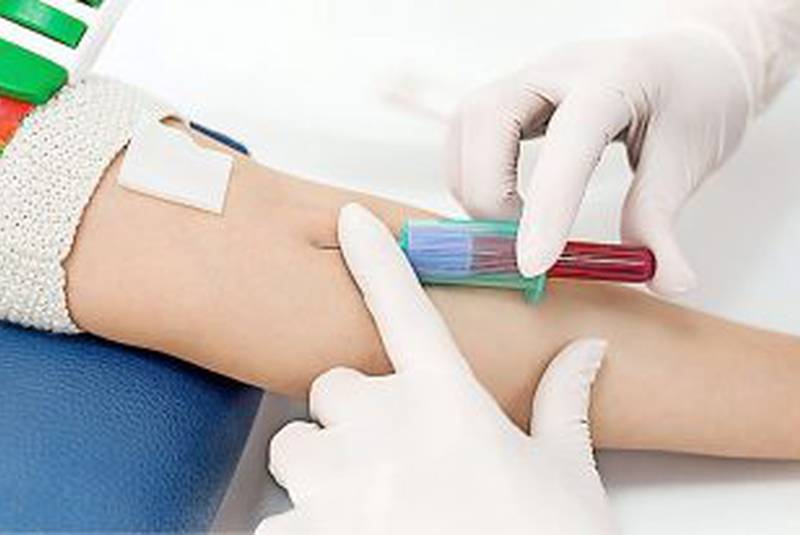
Blood drawer jobs involve collecting blood samples from patients for testing, transfusions, donations, or research purposes.The professionals in this field are trained to perform venipuncture— the process of drawing blood from veins— and ensure patient safety and comfort throughout the procedure. These roles are fundamental to the healthcare system as they facilitate accurate diagnostics and effective treatment plans.
Top Careers in Blood Collection and Phlebotomy
1. Certified Phlebotomist
The most common and recognized blood drawer role, certified phlebotomists are responsible for collecting blood samples from patients in various settings such as hospitals, clinics, and mobile blood drives. Their duties include verifying patient identity, preparing collection materials, performing venipuncture, and labeling samples accurately.
2. Blood Bank Technician
Blood bank technicians specialize in processing,testing,and storing blood donations. They work closely with hospitals to ensure safe blood supply management, perform compatibility testing, and prepare blood products for transfusion.
3. Medical Laboratory Technician (MLT)
while MLTs perform a broader range of laboratory tests, many are trained in blood handling and collection.They often assist in phlebotomy procedures and are integral to diagnostic laboratories.
4. Phlebotomy Supervisor
With experience, some phlebotomists advance into supervisory roles, overseeing blood collection teams, ensuring compliance with safety protocols, and managing training programs.
5. Mobile Phlebotomist
This role involves traveling to patients’ homes, workplaces, or community centers to collect blood samples, providing convenience for patients who face barriers accessing healthcare facilities.
Skills and Qualifications for Blood Drawer Careers
- Certified training: certification such as Certified Phlebotomy Technician (CPT) enhances job prospects.
- Good interaction: Patient interaction requires empathy and clarity.
- Attention to detail: Accurate sample labeling and documentation are critical.
- Steady hands and dexterity: Ensuring minimal discomfort and successful draws.
- Knowledge of safety protocols: Infection control and proper disposal of sharps.
Benefits of Choosing a career in Blood Collection
| Benefit | Description |
|---|---|
| High Demand | Growing need for blood collection in healthcare facilities nationwide. |
| Relatively Short Training | Certification programs can be completed in less than a year, leading to swift career entry. |
| Flexible Work Settings | Opportunities in hospitals, clinics, mobile units, and community blood drives. |
| Personal Fulfillment | Contributing directly to saving lives and supporting patient healthcare. |
| Career Advancement | Pathways to roles like supervisor, trainer, or technician specialization. |
Practical Tips for Aspiring blood Drawers
- Get Certified: Enroll in accredited phlebotomy training programs to obtain essential certification.
- Gain Hands-On Experience: Look for internships or volunteer opportunities to develop your skills.
- Develop Soft Skills: Practice compassion,patience,and excellent communication,especially for nervous or anxious patients.
- Stay Updated: Keep abreast of the latest safety procedures and medical technology advancements.
- Network: Join professional organizations like the American Society for Clinical Pathology (ASCP) to connect with industry professionals and access job resources.
Case Study: From training to Success in Blood Collection
Jane Doe, a certified phlebotomist, shares her journey: “After completing my certificate programme in six months, I started working at a regional blood bank. Handling diverse patient populations and mastering difficult draws built my confidence.Over time,I was promoted to lead technician,overseeing a team and training new staff. It’s a fulfilling career that constantly challenges me and allows me to make a tangible difference.”
First-Hand Experience: What It’s Like to Work as a Blood Drawer
Working in blood collection requires a combination of technical skill and empathetic patient care. Many professionals describe the role as fast-paced yet rewarding. it involves working with diverse populations, managing urgent situations, and maintaining strict safety standards. Success in this field hinges on attentiveness, reliability, and a passion for healthcare.
FAQs About Blood Drawer Careers
Q1: What is the average salary for a blood drawer?
The average salary for certified phlebotomists ranges from $32,000 to $45,000 annually, depending on experience and location.
Q2: How long does it take to become a certified phlebotomist?
Most certification programs can be completed in 3 to 12 months, depending on the intensity and format of the training.
Q3: Is certification mandatory for blood drawer jobs?
While certification requirements vary by state and employer, obtaining certification is highly recommended and often required for higher-paying or specialized roles.
Conclusion
Blood drawer jobs, especially in phlebotomy and blood collection, offer a promising and impactful career path for those interested in healthcare. With a relatively short training period, high demand, and opportunities for growth, these roles are ideal for individuals seeking a meaningful profession that combines technical skills with patient care. By developing the right qualifications and soft skills, you can embark on a rewarding journey in blood collection, helping save lives and support the health of your community.
ready to take the next step in your healthcare career? Explore accredited training programs, network with industry professionals, and start making a difference today!