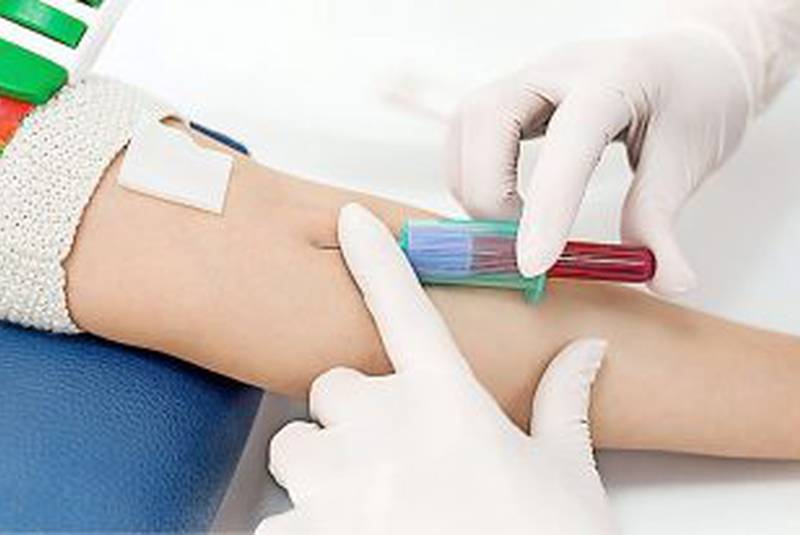
How Long Is a Phlebotomy Training Course? Complete Duration & Training Insights
If you’re exploring a career in healthcare,phlebotomy is a popular entry point. It combines hands-on skills, patient care, and a relatively fast pathway to employment. But how long does it take to complete a phlebotomy training course? The answer isn’t one-size-fits-all. The duration depends on the program type, your schedule, and local licensing or certification requirements.In this article, you’ll find a complete breakdown of the typical durations, factors that influence length, practical tips for choosing a program, and real-life considerations to help you plan your path to becoming a certified phlebotomy technician.
Understanding Phlebotomy Training: What You learn and Why Duration Matters
Phlebotomy training covers essential skills to collect blood samples safely and efficiently, maintain patient comfort, and adhere to safety and privacy standards. While the core competencies are consistent, the duration of your training will affect:
- How quickly you can start applying for jobs in clinics, hospitals, or diagnostic labs
- How much hands-on practice you gain before certification or licensure
- Whether you’re combining phlebotomy with other allied health courses or pursuing a broader degree
Core Curriculum and Clinical Hours
Most phlebotomy programs include:
- Phlebotomy theory and safety protocols
- specimen collection techniques (venipuncture and capillary puncture)
- Specimen labeling, handling, and transportation requirements
- Medical ethics, patient communication, and privacy regulations (HIPAA in the U.S.)
- Infection control and safety equipment usage
- Clinical externships or supervised practice in real healthcare settings
Clinical hours are a major differentiator among programs. They provide hands-on experience with real patients under supervision, which is often a prerequisite for certification exams and employer acceptance.
Typical Lengths by Program Type
Hear are the most common paths and their typical durations. Keep in mind that regional differences (state requirements, school calendars, and part-time vs. full-time options) can shift thes numbers.
| Program Type | Typical Duration | Typical Hours | Notes |
|---|---|---|---|
| Phlebotomy certificate (Short-Term) | About 6-12 weeks | 120-300 hours | Fast track to entry-level roles; often offered in community colleges or allied health schools. |
| phlebotomy Diploma | About 6-12 months | 900-1,200 hours | More comprehensive training with deeper clinical exposure. |
| Associate Degree (Phlebotomy emphasis) | Approximately 2 years | 60-75 credit hours (plus phlebotomy-specific practicum) | Combines general education with phlebotomy coursework; broader career options. |
| on-the-Job Training (OJT) | Varies; often 3-12 months | Variable hours | Common in some clinics; may require prior certification or competency demonstration. |
Factors That Influence the Duration of a Phlebotomy Course
Several factors can shorten or extend the time it takes to complete a phlebotomy training course. Being aware of these can help you plan more accurately.
- Program type: Certificate programs are faster, while diplomas and associate degrees take longer but offer more depth and credentials.
- Modality: In-person, hybrid, and online components can affect pacing. Practical,hands-on practice typically requires in-person labs or externships.
- Enrollment status: Full-time students finish sooner than part-time students, who balance work and study.
- Clinical placement availability: Securing externships or internships can impact timeline if spaces are limited.
- Prerequisites and transfer credits: Prior healthcare experience or completed prerequisites can shorten or, in certain specific cases, lengthen the program.
- State licensure or certification requirements: Some states mandate state-specific certification or licensure, which may add a planning window after coursework.
certification and Licensing: What Happens After Training
In many markets, certification is a key stepping stone to employment as a phlebotomy technician. Licensing requirements vary by country and state/province. In the United States, for example, most employers look for a nationally recognized phlebotomy certification, while licensure rules differ by state. A typical pathway looks like this:
- Complete a phlebotomy program (certificate, diploma, or degree) and accumulate clinical hours.
- Prepare for and pass a national certification exam (e.g., CPT, NHA-Phlebotomy, ASCP CPT, AMT).
- Meet any state-specific requirements for licensure or registry, if applicable.
- Pursue entry-level phlebotomy roles in hospitals, clinics, or blood donation centers.
Certification exam preparation frequently enough adds 1-3 months of study after finishing coursework,depending on the program’s rigor and your prior experience. Some programs include exam prep as part of the curriculum, which can shorten the overall timeline.
Practical Tips for Choosing the Right Phlebotomy Program
- Accreditation and approvals: Look for programs accredited by recognized bodies (e.g., national or regional accrediting agencies). Accreditation matters for financial aid eligibility and transferability of credits.
- Clinical hours and externship placement: Ensure the program provides structured hands-on training with real patients in reputable healthcare settings.
- Certification pass rates: Research the program’s graduates’ success on certification exams; high pass rates signal effective prep.
- Cost,financial aid,and value: Consider tuition,fees,supplies,and the return on investment. Some programs offer installment payment plans or scholarships.
- Schedule flexibility: If you’re working, look for evening or weekend cohorts or part-time options that fit your life.
- Location and commute: Proximity to clinical sites matters for consistent externship experiences and timely gradation.
- Career services and job placement: Programs with strong connections to hospitals or clinics can improve your job prospects after graduation.
Case Studies and First-Hand Experiences
Real-life experiences can illuminate what to expect beyond the numbers.Here are three anonymized examples that illustrate different paths:
Case 1: Short-Term Certificate Path
Alex completed a 9-week (approximately 9-12 weeks) phlebotomy certificate program at a local community college. The program emphasized hands-on venipuncture practice and clinic rotations. After certification, Alex secured a role as a certified phlebotomy technician at a community hospital within two months and reported high job satisfaction due to the fast entry into the field.
Case 2: Diploma with Expanded Clinical Exposure
Maria enrolled in a 10-month phlebotomy diploma that offered extended clinical hours and a robust externship program. She found the extra practice valuable, especially in difficult draw situations.Upon graduation, maria earned a role at a sizable diagnostic lab and appreciated the broader understanding of specimen handling and patient communications.
Case 3: Associate Degree with Broad Allied Health Focus
Jon pursued a 2-year associate degree program that included general education courses alongside phlebotomy coursework.The degree opened doors to more diverse healthcare roles and provided a stepping stone toward a future in healthcare administration or other allied health fields.
Fast Reference Table: phlebotomy Training Durations by Program Type
| Program Type | Typical Duration | Typical Hours | Notes |
|---|---|---|---|
| Certificate | 6-12 weeks | 120-300 hours | Fast entry; strong for immediate employment. |
| Diploma | 6-12 months | 900-1,200 hours | More comprehensive clinical practice. |
| Associate Degree | Approximately 2 years | 60-75 credit hours | Broader education; may include general ed courses. |
| On-the-Job Training | Varies | Variable | Often supplementary to certification; may require licensure. |
Benefits and Practical Insights for Prospective Students
- Fast entry into the workforce: Certificate programs let you start working sooner, which is ideal if you need a quick transition into healthcare.
- solid job prospects: Phlebotomy technicians are in demand in hospitals, clinics, blood donation centers, and private labs.
- Clear certification path: Most programs lead to nationally recognized credentials that enhance employability.
- Foundation for growth: Phlebotomy can serve as a stepping stone to other allied health roles or further education.
Common Myths About Phlebotomy Training Duration
- Myth: A phlebotomy course takes years to complete. Reality: Many certificate programs finish in weeks to months, not years.
- Myth: Certification is optional. Reality: Certification is highly valued by employers and often required for advancement.
- Myth: Online-only phlebotomy programs are sufficient. Reality: Hands-on clinical practice is essential and usually required.
Conclusion: Your Roadmap to a Phlebotomy Career
Choosing the right phlebotomy training course depends on your timeline, budget, and career goals. If you want a quick entry into healthcare, a certificate program lasting 6-12 weeks can get you into entry-level roles and enable you to pursue certification promptly. If you’re aiming for broader career options or a stronger foundation for future healthcare studies, a diploma or an associate degree with a phlebotomy focus may be the better investment, even though it takes longer.
Key takeaways to guide your decision:
- Clarify your career goals: immediate entry vs. long-term growth.
- Check for clinical hours and externship opportunities to gain hands-on practice.
- Verify certification pathways and licensure requirements in your state or country.
- Compare costs, schedules, and financing options; consider ROI based on job prospects.
By choosing a program that aligns with your schedule,budget,and professional objectives,you can confidently embark on the phlebotomy path and start contributing to patient care in a meaningful way.