Title: The Essential Education You Need to Become a Certified Phlebotomist: A Comprehensive Guide
Are you interested in pursuing a career in phlebotomy? Becoming a certified phlebotomist is a rewarding and in-demand career choice that offers a great opportunity to work in the healthcare industry. In order to become a certified phlebotomist, you will need to undergo specific education and training to ensure you have the skills and knowledge required for the job. This comprehensive guide will outline the essential education you need to become a certified phlebotomist.
**Introduction to Phlebotomy**
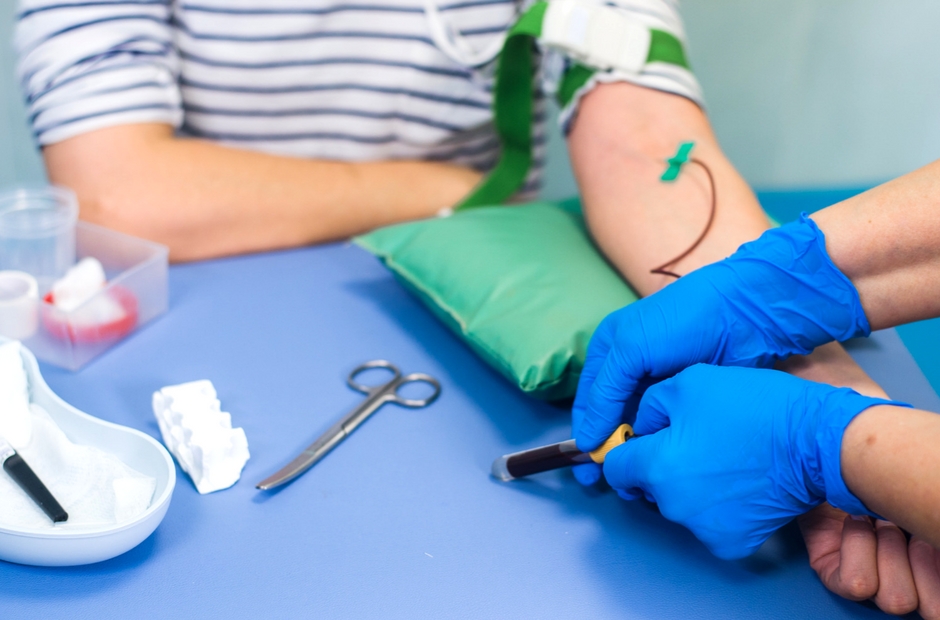
Phlebotomy is the process of drawing blood from patients for various purposes, such as diagnostic testing, blood donations, or transfusions. Phlebotomists play a crucial role in ensuring the safety and accuracy of blood collection procedures. This field requires precision, attention to detail, and strong communication skills to interact with patients and healthcare professionals effectively.
**Education Requirements**
To become a certified phlebotomist, you will typically need to complete a phlebotomy training program. These programs are offered by various vocational schools, community colleges, and healthcare facilities. The duration of these programs can range from a few weeks to a few months, depending on the specific requirements of the program.
**Key Topics Covered in Phlebotomy Training Programs**
1. Anatomy and Physiology: Understanding the structure and function of the human body is essential for phlebotomists to locate veins accurately and understand the implications of blood collection.
2. Phlebotomy Techniques: Learning the proper techniques for blood collection, including venipuncture, capillary puncture, and blood specimen handling.
3. Infection Control: Understanding the protocols and best practices for preventing the spread of infections during blood collection procedures.
4. Medical Terminology: Familiarizing yourself with medical terminology will help you communicate effectively with healthcare professionals and patients.
5. Legal and Ethical Considerations: Learning about patient rights, confidentiality, and consent requirements when collecting blood samples.
6. Hands-On Training: Practical experience in performing venipuncture and other blood collection techniques under the supervision of experienced phlebotomists.
**Certification and Licensure**
After completing a phlebotomy training program, you may be required to pass a certification exam to become a certified phlebotomist. There are several organizations that offer certification exams, such as the National Healthcareer Association (NHA) and the American Society for Clinical Pathology (ASCP). Holding a certification demonstrates that you have met national standards for phlebotomy skills and knowledge.
**Benefits of Becoming a Certified Phlebotomist**
1. Job Security: The healthcare industry is constantly in need of skilled phlebotomists, providing job stability and opportunities for career advancement.
2. Competitive Salary: Certified phlebotomists typically earn higher salaries compared to non-certified professionals.
3. Professional Development: Holding a certification allows you to showcase your expertise and commitment to the field of phlebotomy.
**Practical Tips for Success**
1. Practice Regularly: Continuously honing your skills through practice and hands-on experience is key to becoming a proficient phlebotomist.
2. Stay Updated: Stay informed about the latest advancements in phlebotomy techniques, equipment, and safety protocols.
3. Develop Strong Communication Skills: Building rapport with patients and colleagues is essential for a successful phlebotomy career.
**Conclusion**
Becoming a certified phlebotomist involves completing a phlebotomy training program, obtaining certification, and gaining practical experience in the field. By following the essential education outlined in this guide, you can embark on a fulfilling career as a certified phlebotomist. Keep in mind the benefits, tips, and key topics covered in this guide as you pursue your career in phlebotomy.