**Title: Everything You Need to Know About Becoming a Phlebotomy Technician**
**Introduction:**
Are you interested in pursuing a career in the medical field that doesn’t require years of schooling? If so, becoming a phlebotomy technician may be the perfect fit for you. Phlebotomy technicians are vital members of the healthcare team who specialize in drawing blood from patients for various medical purposes. In this comprehensive guide, we will delve into what phlebotomy technicians do, how to become one, the benefits of pursuing this career path, and practical tips for success.
**What is a Phlebotomy Technician?**
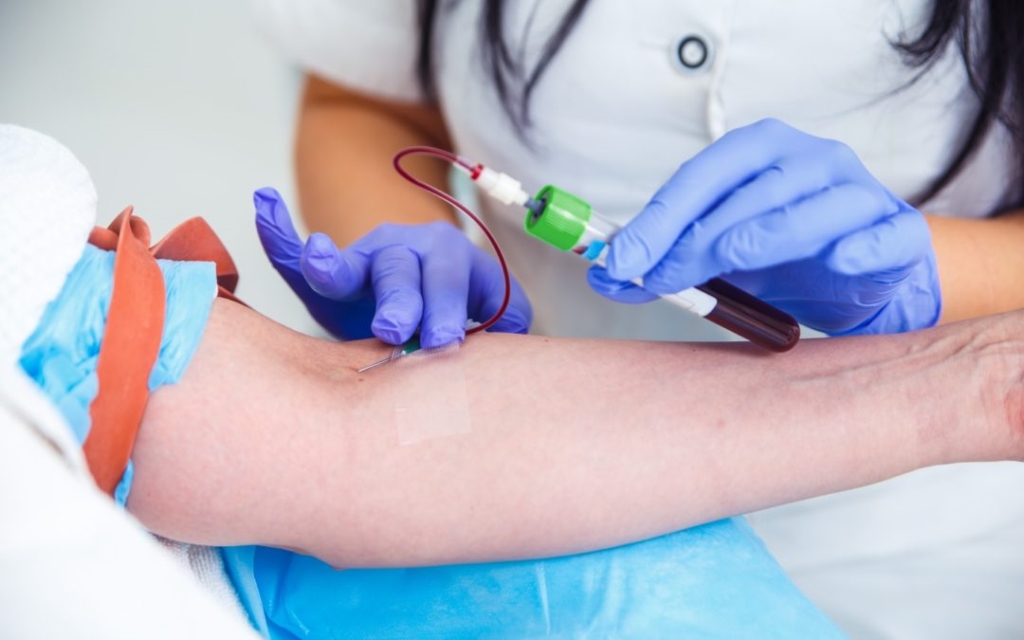
A phlebotomy technician, also known as a phlebotomist, is a healthcare professional trained to draw blood from patients for medical testing, transfusions, donations, or research. Phlebotomy technicians play a crucial role in the healthcare system by ensuring that blood is collected safely and accurately, following strict protocols and procedures to prevent contamination or infection.
**How to Become a Phlebotomy Technician:**
If you’re considering a career as a phlebotomy technician, here are the steps you’ll need to take to get started:
1. **Education and Training:** Most phlebotomy technician programs require a high school diploma or equivalent. You can enroll in a phlebotomy training program at a community college, vocational school, or healthcare facility.
2. **Certification:** While certification requirements vary by state, most employers prefer to hire certified phlebotomy technicians. You can obtain certification through organizations such as the National Healthcareer Association (NHA) or the American Society for Clinical Pathology (ASCP).
3. **Clinical Experience:** To gain hands-on experience, you may need to complete a clinical internship or externship as part of your training program.
4. **Licensing:** Some states require phlebotomy technicians to be licensed, so be sure to check your state’s specific requirements.
**Benefits of Becoming a Phlebotomy Technician:**
Becoming a phlebotomy technician offers several benefits, including:
– **Job Stability:** Healthcare is a growing industry, and phlebotomy technicians are in demand.
– **Flexibility:** Phlebotomy technicians can work in various settings, including hospitals, clinics, laboratories, and blood donation centers.
– **Competitive Salary:** According to the Bureau of Labor Statistics, the median annual wage for phlebotomy technicians is around $35,510.
– **Opportunities for Advancement:** With experience and additional training, phlebotomy technicians can advance their careers to become lab managers, phlebotomy supervisors, or medical laboratory technologists.
**Practical Tips for Success:**
– **Develop Strong Communication Skills:** Phlebotomy technicians interact with patients daily, so excellent communication skills are essential.
– **Attention to Detail:** Accuracy is paramount in phlebotomy, so paying attention to detail is crucial.
– **Stay Current:** Keep up-to-date with the latest trends and technologies in phlebotomy to enhance your skills and knowledge.
– **Network:** Build relationships within the healthcare industry to expand your opportunities for career advancement.
**Conclusion:**
Becoming a phlebotomy technician can be a rewarding career choice for those interested in the medical field. By following the steps outlined in this guide, obtaining the necessary education and training, and developing key skills and attributes, you can embark on a successful career as a phlebotomy technician. Start your journey today and make a difference in patients’ lives through the important work of blood collection and testing.