Unlocking Your Future: A Comprehensive Guide to a Rewarding Career in Blood Drawing
In the ever-evolving healthcare landscape, blood drawing has emerged as a vital skill, making phlebotomy a rewarding career choice. Aspiring phlebotomists play a crucial role in patient care, from clinical environments to hospitals and outpatient labs. This comprehensive guide will provide you with insights into education, skills, performance, benefits, and practical steps to obtain that desired position in this essential field.
What is Phlebotomy?
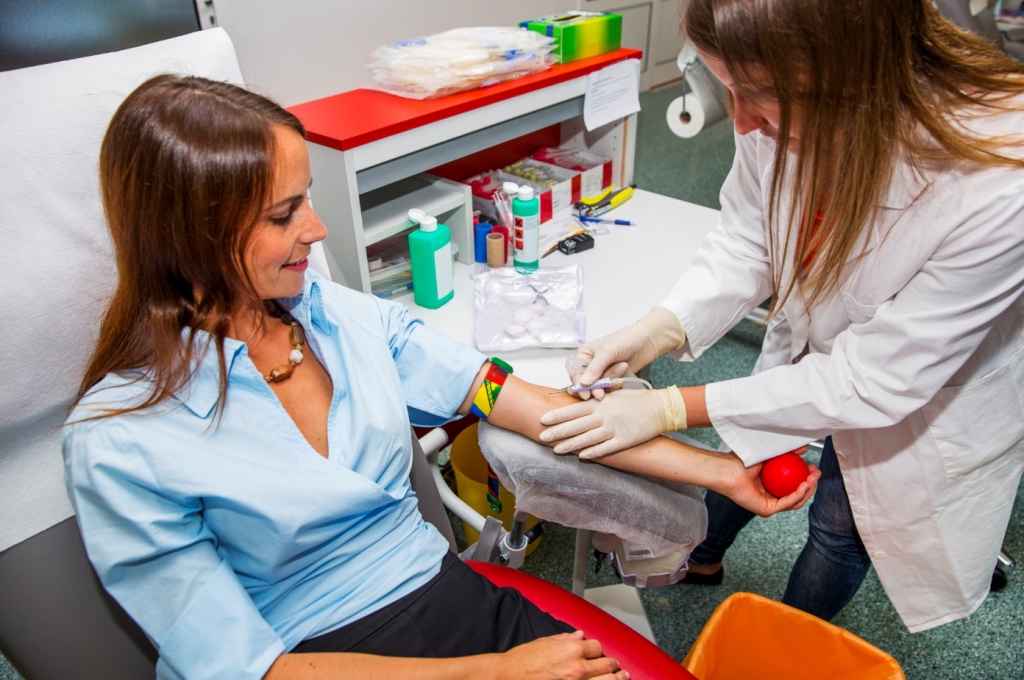
Phlebotomy is the procedure of drawing blood for various tests, transfusions, donations, or research. Phlebotomists are health professionals trained in this specialized skill. Understanding blood drawing techniques and patient interactions makes this role both challenging and gratifying.
Educational Pathways to Becoming a Phlebotomist
Necessary Education and Training
Starting a career in blood drawing typically requires completion of a phlebotomy training program. Here’s an overview of the education and training pathways:
- High School Diploma: Obtain a high school diploma or GED.
- Phlebotomy Training Programs: Enroll in accredited courses that usually last 3-12 months.
- Certification: Acquire certification through organizations such as the American Society for Clinical Pathology (ASCP) or the National Phlebotomy Association (NPA).
Key Skills for Phlebotomists
Phlebotomy isn’t just a technical job; it requires a mixture of both soft and hard skills. Here’s a breakdown of critical skills phlebotomists should possess:
- Technical Proficiency: Skills in using and maintaining blood drawing equipment.
- Patient Interaction: Ability to communicate effectively with patients to ease anxiety.
- Attention to Detail: Ensuring accurate labeling and handling of samples.
- Compassion and Empathy: Understanding patient feelings and providing reassurance.
Benefits of a Career in Blood Drawing
A career in phlebotomy comes with numerous benefits, making it an appealing option for many. Here are some of the key advantages:
- Job Demand: The healthcare industry continually requires qualified phlebotomists.
- Flexibility: Phlebotomists often have varied schedules, including part-time opportunities.
- Opportunity for Advancement: With further education, phlebotomists can become medical laboratory technicians or pursue nursing.
- Impactful Work: Contributing to patient care and diagnostics is deeply fulfilling.
Practical Tips for Aspiring Phlebotomists
As you consider a career in blood drawing, here are some practical tips that can enhance your journey:
- Shadow Professionals: Gain firsthand experience by shadowing experienced phlebotomists.
- Practise with Models: Utilize practice arms and skin models to develop your drawing technique.
- Network: Join professional organizations and attend workshops to connect with other professionals.
- Get Certified: Ensure you obtain the necessary certifications which add credibility to your profile.
Case Studies of Successful Phlebotomists
Real-life examples can inspire and provide valued insights. Here are a couple of brief case studies of successful phlebotomists:
| Name | Background | Current Role | Inspiration |
|---|---|---|---|
| Alice Johnson | Graduated from community college, pursued phlebotomy certification. | Lead Phlebotomist at a local hospital. | Passion for helping patients overcome their fears. |
| John Smith | Started as a volunteer in a blood donation center. | Phlebotomy Trainer for a healthcare organization. | Encourages others to join the field through mentoring. |
First-Hand Experience: A Day in the Life of a Phlebotomist
Understanding a typical day can help you gauge if this career path is right for you. Here’s what a day may look like:
- Start the day reviewing lab protocols and patient schedules.
- Prepare equipment and ensure all supplies are stocked.
- Draw blood samples from patients, employing best practices to ensure comfort.
- Communicate with laboratory technicians regarding sample accuracy and handling.
- Participate in staff training and workshops for continued education.
Conclusion
Unlocking a rewarding career in blood drawing as a phlebotomist is an achievable goal for anyone passionate about healthcare. By pursuing the right education, honing essential skills, and understanding the daily responsibilities, you can embark on a fulfilling journey. The difference you can make in patients’ lives while enjoying job stability and opportunities for advancement makes phlebotomy a surprisingly rich career choice. Take the first step today and explore the world of phlebotomy—your future is waiting!