unlocking the Role: what Dose a Phlebotomy Technician Do and why It Matters
In the ever-evolving field of healthcare, phlebotomy technicians play a crucial yet often overlooked role. By understanding what a phlebotomy technician does and why their work matters, we can appreciate their contributions to patient care and the medical industry as a whole. In this article, we will explore the responsibilities, training, and importance of phlebotomy technicians, as well as share valuable insights and tips for those considering this career path.
What is a phlebotomy technician?
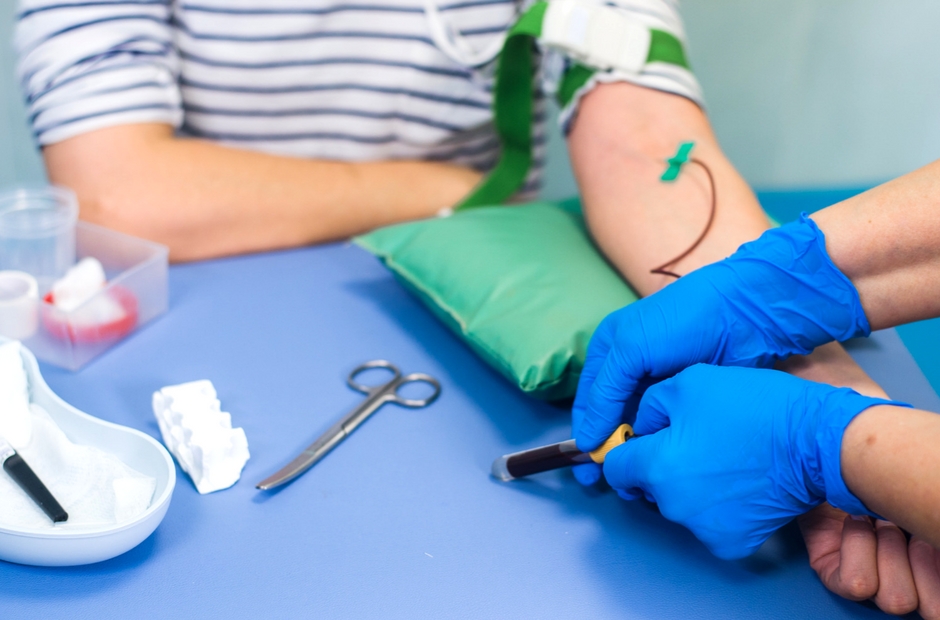
A phlebotomy technician is a trained healthcare professional who specializes in drawing blood from patients for various medical purposes. These purposes can include laboratory testing,blood donations,and clinical research. Phlebotomy technicians typically work in settings such as hospitals,clinics,blood donation centers,and laboratories. Their expertise ensures that blood samples are collected effectively and safely, with minimal discomfort to patients.
The Responsibilities of a Phlebotomy Technician
Phlebotomy technicians wear many hats in their daily roles. Below are some key responsibilities that define their work:
- Blood Collection: Drawing blood through various methods, such as venipuncture or capillary puncture.
- Patient Interaction: Communicating with patients to explain the procedure, address concerns, and ensure comfort.
- Sample Handling: Properly labeling and storing blood samples to maintain the integrity of test results.
- Equipment Maintenance: Ensuring that phlebotomy equipment, such as needles and vacutainers, are sterile and functioning properly.
- Record Keeping: Documenting patient data and maintaining accurate records for compliance and quality control.
- Safety Protocols: Adhering to health and safety regulations to minimize risk to both patients and laboratory staff.
Training and certification
To become a phlebotomy technician, candidates typically need to complete a training program that includes both classroom education and hands-on experience. Here’s what prospective phlebotomists should know:
Training Requirements
- Education: A high school diploma or equivalent is usually required to enter a phlebotomy training program.
- Certification Programs: Many community colleges and vocational schools offer certificate programs that last several months.
- Clinical practice: Moast programs include practical training, where students can gain experience under the supervision of licensed professionals.
Certification
While certification is not always mandatory, it often enhances job prospects. Key certifying organizations for phlebotomy technicians include:
| Certification Body | certification name | Requirements |
|---|---|---|
| National Phlebotomy Association | Certified Phlebotomy technician (CPT) | Pass an exam; 40 blood draws |
| American Society of Phlebotomy Technicians | Registered Phlebotomy Technician (RPT) | Pass an exam; no minimum blood draws |
| American Medical Technologists | Phlebotomy Technician (PBT) | Complete training; pass an exam |
Why phlebotomy Technicians Matter
Phlebotomy technicians play an integral role in the healthcare system; their work impacts patient diagnosis and treatment considerably. Here are several reasons why their role is crucial:
- Accurate Diagnoses: Quality blood sample collection is essential for accurate laboratory results, which are critical for diagnosing illnesses.
- Patient Safety: Technicians are trained to follow strict safety protocols to reduce the risk of infections and complications.
- Efficient Blood Donation: They help streamline the blood donation process, ensuring a steady supply for patients in need of transfusions.
- Consumer Trust: Professionalism and compassion in their interactions help build trust between patients and the healthcare system.
Benefits of Working as a Phlebotomy Technician
Choosing a career as a phlebotomy technician comes with numerous benefits, including:
- Job Demand: The healthcare field continues to grow, increasing the demand for skilled phlebotomy technicians.
- Flexible Work Hours: Many positions offer shifts that can accommodate varied lifestyles.
- Good Starting Salary: competitive salaries and opportunities for advancement exist in many healthcare facilities.
- Personal Fulfillment: Helping patients during their medical journeys can be a deeply rewarding experience.
First-Hand Experience: A Day in the Life of a Phlebotomy Technician
To further understand the role of phlebotomy technicians, consider the daily experiences shared by professionals in the field.
“Each day is diffrent; from interacting with a diverse set of patients to working collaboratively with healthcare providers. You have to be skilled at communicating and swift on your feet. Challenges can arise; for example,some patients are nervous or have difficult veins to access. But successfully drawing blood and knowing you’ve helped contribute to their care is incredibly satisfying.” – Sarah, Certified Phlebotomy Technician.
Practical Tips for Aspiring Phlebotomy Technicians
If you’re considering a career in phlebotomy, here are some practical tips to succeed:
- Sharpen Your Dialog Skills: Effective communication is key to ensuring patient comfort and cooperation.
- Gain Experience: Look for volunteer or internship opportunities to enhance your hands-on skills.
- Stay Informed: Keep up with the latest trends and techniques in phlebotomy through continued education.
- Network: Join professional organizations or attend workshops to connect with experienced phlebotomists.
Conclusion
Phlebotomy technicians are vital players in the healthcare landscape. Their work not only provides critical insights into patients’ health but also fosters the trust and confidence essential for quality medical care. As demand for these professionals continues to grow, aspiring phlebotomy technicians can look forward to a rewarding career filled with opportunities to make a meaningful difference in the lives of patients. By understanding the importance of their role, we can appreciate the essential services they provide in healthcare settings every day.