Essential Phlebotomy Q&A: Expert Answers to Your Most Common Questions
Phlebotomy is a critical skill in the medical field, and it often raises a lot of questions for patients and trainees alike. This article focuses on answering the most common queries related to phlebotomy, by providing expert insights and thorough explanations.
What is Phlebotomy?
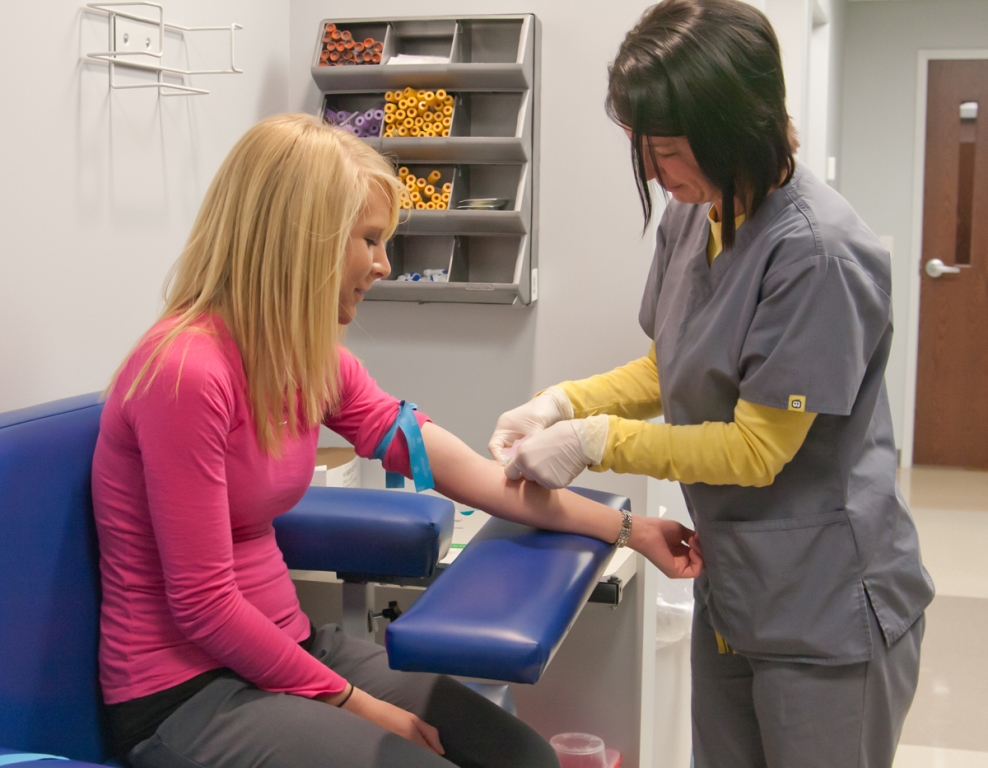
Phlebotomy is the practice of drawing blood from a patient for medical testing, transfusions, donations, or research. Trained professionals, known as phlebotomists, perform this procedure using specific techniques to ensure the safety and comfort of the patient.
Common Questions About Phlebotomy
1. What Qualifications Do You Need to Become a Phlebotomist?
To become a phlebotomist, you typically need to have:
- A high school diploma or equivalent.
- Completion of a phlebotomy training program, which may last from a few weeks to several months.
- A certification from a recognized body, such as the National Phlebotomy Association (NPA) or the American Society for Clinical Pathology (ASCP).
2. How Does Phlebotomy Work?
The phlebotomy process generally involves the following steps:
- Preparation: Gathering necessary equipment and explaining the procedure to the patient.
- Site selection: Identifying the best vein for the draw, typically in the arm.
- Venipuncture: Inserting a sterile needle into the vein to collect blood.
- Post-collection: Applying pressure to the site and disposing of the needle properly.
3. Why is Blood Collection Important?
Blood collection is essential for diagnosing health conditions, monitoring diseases, and testing for infections. It also plays a vital role in transfusions and research that can lead to new medical treatments.
4. What Should I Expect During a Phlebotomy Procedure?
During a typical phlebotomy procedure, you can expect:
- A brief discussion with the phlebotomist about your medical history.
- The procedure to take a few minutes, with minimal discomfort.
- Follow-up care instructions post-draw.
5. Are There Any Risks Involved?
While phlebotomy is generally safe, potential risks include:
- Minor bruising at the draw site.
- Fainting or dizziness.
- In rare cases, infection or excessive bleeding.
Benefits of Phlebotomy Training
Becoming trained in phlebotomy offers numerous advantages:
- In-Demand Profession: Phlebotomists are needed in hospitals, laboratories, and blood donation centers.
- Job Satisfaction: Helping others through medical procedures can be rewarding.
- Growth Potential: Phlebotomists can advance their careers through further education and specialization.
Practical Tips for Aspiring Phlebotomists
If you are looking to start your career in phlebotomy, consider the following tips:
- Gain experience through internships or volunteer opportunities.
- Stay updated on the latest phlebotomy techniques and technologies.
- Practice good communication skills to comfort patients during blood draws.
Case Study: A Day in the Life of a Phlebotomist
Meet Sarah, a certified phlebotomist working in a busy urban hospital. Sarah starts her day reviewing patient charts and preparing her equipment. On a typical day, she draws blood from 20-30 patients, each presenting unique challenges.
Sarah’s Key Responsibilities Include:
- Maintaining sterile techniques.
- Calming anxious patients.
- Documenting each blood draw properly.
First-Hand Experience: Testimonials from Phlebotomists
Many phlebotomists declare their jobs rewarding. Here are a few insights:
“The best part of my job is the ability to help people. I love seeing patients feel at ease before their blood draw.” — Emily, Phlebotomist
“Collecting blood might seem daunting, but with practice, it becomes second nature.” — Tom, Phlebotomy Trainer
Phlebotomy FAQs
| Question | Answer |
|---|---|
| How long does it take to train as a phlebotomist? | Training can take as little as 4-12 weeks. |
| What are common blood tests performed? | Tests include CBC, blood glucose, and cholesterol levels. |
| Do I need to fast before blood tests? | Some tests require fasting while others do not; check with your doctor. |
Conclusion
Phlebotomy is a vital component of healthcare that requires specific skills and consideration. By understanding common questions and best practices, both patients and aspiring phlebotomists can navigate the complexities of blood collection with ease and confidence. Whether you’re looking to enter the field or just want to know more about the blood draw process, staying informed is key to a positive experience.