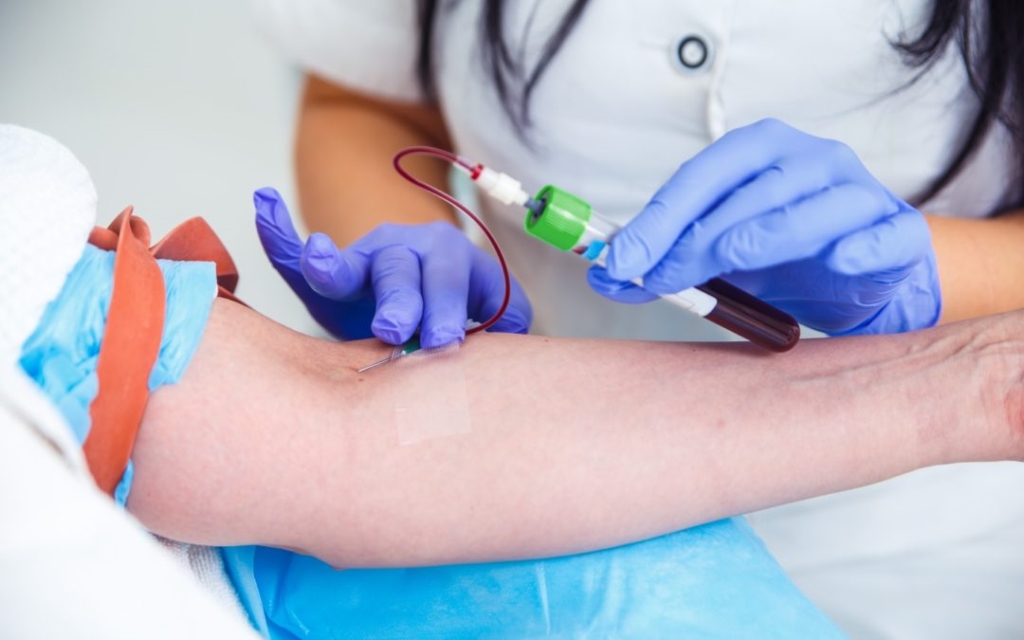
Mastering the Order of Draw in phlebotomy: Essential Tips for Accurate and Safe Blood Collection
Blood collection is a fundamental procedure in medical laboratories and healthcare settings.The accuracy of laboratory results heavily depends on proper blood collection techniques, especially the correct sequence of draw. Mastering the order of draw in phlebotomy not only ensures the reliability of test results but also enhances patient safety and minimizes errors. If you’re a budding phlebotomist or a seasoned professional looking to refine your skills, this comprehensive guide offers essential tips and insights into mastering the order of draw for accurate, safe blood collection.
Understanding the Importance of Correct Order of Draw in Phlebotomy
The order of draw refers to the specific sequence in which blood collection tubes and containers are used during venipuncture. Adhering to this protocol is crucial because it prevents cross-contamination between additives, minimizes the risk of specimen carryover, and ensures high-quality lab results. Improper sequencing can lead to erroneous test results,misleading diagnoses,and potential patient safety issues.
Fundamentals of the Order of Draw in Blood Collection
Why Is the Order of Draw Essential?
- Prevents additive carryover: Ensures that anticoagulants or other additives don’t contaminate subsequent samples.
- Protects specimen integrity: Maintains the stability of blood components for accurate analysis.
- Reduces hemolysis risk: Proper sequence minimizes vessel trauma and hemolysis, preserving sample quality.
- Ensures safety: Proper order aligns with infection control protocols and safety standards.
Sample Collection Tubes and Their Additives
Understanding the type of additives in each tube is key to mastering the order of draw. Here’s a quick overview:
| Tube Type | Color/Label | Additive | Purpose |
|---|---|---|---|
| Blood Culture Bottles | Yellow (sterile) | Bypass additives | Detects microbial infections |
| SST (Serum Separator tube) | Gold or Tiger Top | Clot activator and gel separator | Serum collection for chemistry tests |
| Light Blue | Blue | Citrate anticoagulant | Coagulation studies |
| Green | Green | Heparin anticoagulant | Stat chemistry tests, blood gases |
| lavender / Pink | Lavender or Pink | EDTA anticoagulant | Complete blood count, blood smears |
| Gray | Gray | Potassium oxalate / sodium fluoride | Glucose testing |
The Official Order of Draw in Phlebotomy: Step-by-Step Guide
Various organizations, including the Clinical and Laboratory Standards Institute (CLSI) and the Centers for Disease Control and Prevention (CDC), endorse a standard sequence of blood collection tubes. The following is the recommended order of draw as per industry standards:
- Sterile Blood Culture Tubes or Bottles: for microbiology testing.
- Coagulation Tubes: Light blue top tubes for coagulation tests.
- Serum Tubes: Gold, Tiger Top, or Red/Gray top tubes.
- Heparin Tubes: Green top tubes.
- EDTA Tubes: Lavender or Pink top tubes.
- Oxalate/Fluoride Tubes: Gray top tubes for glucose testing.
Detailed Procedure for Proper Blood Collection
- Preparation: Verify patient identity, review test orders, and gather all necessary supplies.
- Apply a tourniquet: 3-4 inches above the venipuncture site to enlarge veins.
- Perform venipuncture: Insert the needle at a 15-30 degree angle, ensuring proper vein entry.
- Collect tubes in the correct order: Fill each tube according to the specified sequence, without removing the needle or tourniquet between tubes if possible.
- Release tourniquet: once blood flow is established, before filling last tube.
- Withdraw the needle: Gently remove the needle, apply pressure, and bandage the site.
Tips and Best Practices for Mastering the Order of Draw
Practical Tips for Phlebotomists
- check the order list: Always confirm your sequence before starting.
- Use proper vacuum tubes: Avoid overfilling or underfilling tubes to maintain additive ratios.
- Follow aseptic technique: Wear gloves and disinfect the site properly.
- avoid multiple recollections: Re-puncturing can cause hemolysis and patient discomfort.
- transport samples carefully: Keep tubes upright and handle gently to prevent contamination and hemolysis.
Common Mistakes to avoid
- skipping the correct order, risking cross-contamination.
- Using damaged or expired tubes.
- Not mixing anticoagulant tubes properly after collection.
- Applying tourniquet too tightly or for too long.
- failing to label samples immediately after collection.
benefits of Correct Order of Draw and Adherence to Protocols
Following the proper order of draw in phlebotomy provides numerous benefits:
- Enhanced test accuracy: Reliable laboratory results free from cross-contamination.
- Increased patient safety: Reduced risk of infection and hemolysis.
- Improved lab workflow: Streamlined collection process and fewer repeats.
- Compliance with standards: Meets regulatory and accreditation requirements.
Real-Life Case Study: Impact of Proper Order of Draw on Laboratory Accuracy
Consider a hospital where a series of blood samples were contaminated due to improper tube sequencing. The results showed inconsistent coagulation times, leading to misdiagnosis and unneeded treatments. After training staff on the correct order of draw and standardizing procedures, the hospital observed a significant improvement in test accuracy and reduced patient follow-up procedures. This case underscores how mastering the order of draw directly impacts diagnostic quality and patient outcomes.
Your Personal Experience: Lessons Learned in Blood Collection
As a seasoned phlebotomist, I recall an instance where I accidentally used the wrong sequence, resulting in a clotting issue in an anti-coagulant tube. From that moment, I emphasized strict adherence to the order of draw, meticulous labeling, and staff training. over time,I saw the direct effect of these practices on improve accuracy and patient confidence. Remember, attention to detail makes all the difference in blood collection accuracy and safety.
Conclusion
Mastering the order of draw in phlebotomy is a fundamental skill every healthcare professional engaged in blood collection must acquire. It ensures the integrity of samples, the reliability of test results, and the safety of patients. By understanding the significance of the sequence, following standardized procedures, and applying practical tips, you can elevate your blood collection skills to the highest standards. Consistent practice and commitment to protocol will result in accurate diagnostics, better patient care, and compliance with industry best practices.
Remember, precision in every step of the blood draw process translates into accurate diagnoses and life-saving medical decisions. stay informed, stay diligent, and prioritize safety every time you perform a venipuncture.