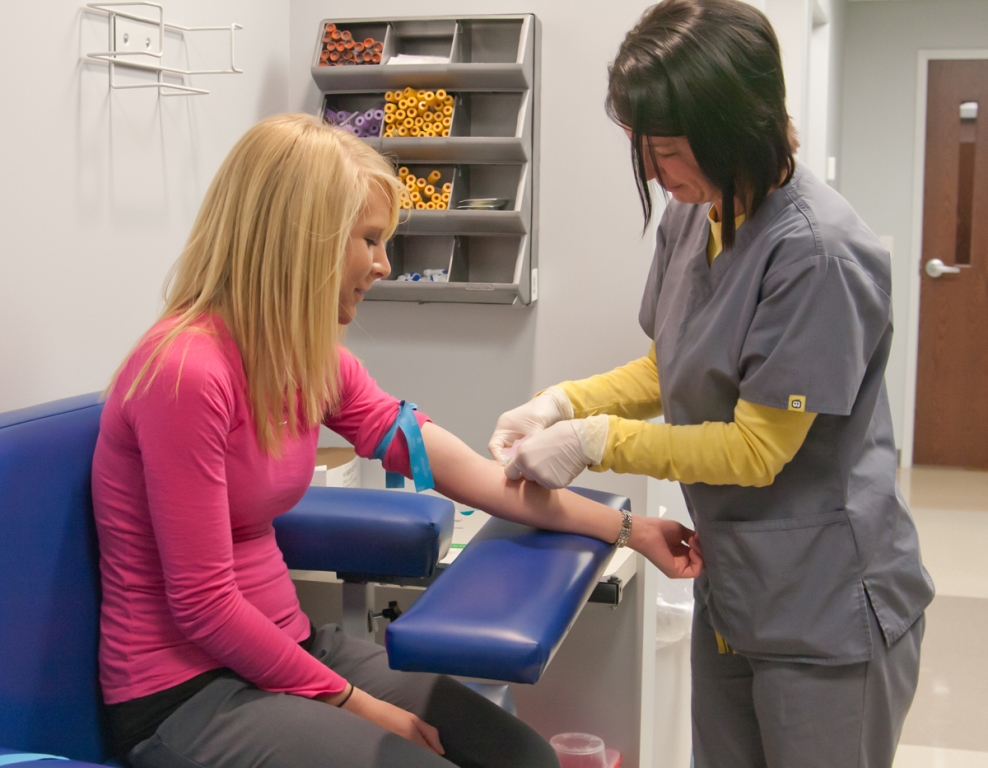
mastering Phlebotomy: The ultimate Guide to Essential Skills and Techniques
Phlebotomy, the art of drawing blood, is a critical skill in the healthcare industry, essential for diagnostics and treatment. Mastering phlebotomy requires a blend of technical skills, theoretical knowledge, and interpersonal communication. Whether you’re an aspiring phlebotomist or a healthcare professional seeking to enhance your skills, this ultimate guide provides comprehensive insights into essential phlebotomy techniques and best practices.
Understanding Phlebotomy
Phlebotomy is derived from the Greek words “phlebos,” which means vein, and “tome,” meaning incision. It primarily involves venipuncture (blood drawing from the veins) and capillary collection (from finger pricks or heel pricks).
Why Phlebotomy is Important
Phlebotomy is crucial in various medical contexts:
- Diagnostic Testing: It helps obtain blood samples for lab tests.
- Blood donations: Critical for blood banks and transfusions.
- Patient Monitoring: Regular collection for informed healthcare decisions.
Essential Skills for Phlebotomists
Mastering phlebotomy requires a combination of hard and soft skills.
Technical Skills
- Venipuncture techniques: Knowing how to properly insert a needle into a vein.
- Lab Safety Protocols: Understanding how to maintain hygiene and safety while handling blood samples.
- Equipment Handling: Proficiency in using needles, vacutainers, and safety devices.
Interpersonal Skills
- Patient Communication: Effectively explaining procedures to calm anxious patients.
- Empathy and Patience: Essential for dealing with diverse patient needs.
- Attention to Detail: Vital for preventing mistakes and ensuring specimen accuracy.
Techniques and Best Practices
Here are some essential techniques and best practices to follow:
Venipuncture Techniques
- Preparing the Patient: Verify patient identity and explain the procedure.
- Choosing the Right Site: Typically, the antecubital fossa (the area inside the elbow) is the best choice.
- Using Proper Equipment: Select appropriate needle gauge and vacutainer based on sample requirements.
- Inserting the Needle: be swift and confident, ensuring to angle the needle correctly at approximately 15 to 30 degrees.
Post-Collection Steps
- Apply Pressure: Use a cotton ball or gauze to prevent bleeding.
- Labeling Samples: Ensure accurate labeling of samples immediatly after collection.
- Documentation: Record relevant patient data and details of the procedure.
Benefits of Becoming a Phlebotomist
Choosing a career in phlebotomy offers various rewards:
- Job Stability: increasing demand for phlebotomists in healthcare settings.
- Flexible Hours: Opportunities for part-time or full-time work.
- Interaction Opportunities: Regular engagement with diverse populations.
Case Studies: Learning from Experience
Several seasoned phlebotomists share their experiences:
| Phlebotomist | Key Learning | Advice |
|---|---|---|
| Sarah J. | Importance of patient comfort | Always communicate fully with your patients. |
| Mark T. | Feedback is essential for advancement | Seek out mentorship and constructive criticism. |
Practical Tips for Aspiring Phlebotomists
As you embark on your phlebotomy journey, consider the following practical tips:
- Continuous Education: Stay updated on the latest techniques and safety protocols.
- Practice Makes Perfect: Get as much hands-on experience as possible during training.
- Network: Join professional organizations and engage in community events.
Conclusion
Mastering phlebotomy is a rewarding journey that combines technical skills, empathy, and a commitment to patient care. By honing your skills and staying informed about best practices, you can excel in this essential field. Whether you’re starting your career or looking to enhance your knowledge, this guide serves as a valuable resource for mastering the art of phlebotomy. Embark on your journey today, and take the first step toward becoming a skilled phlebotomist!