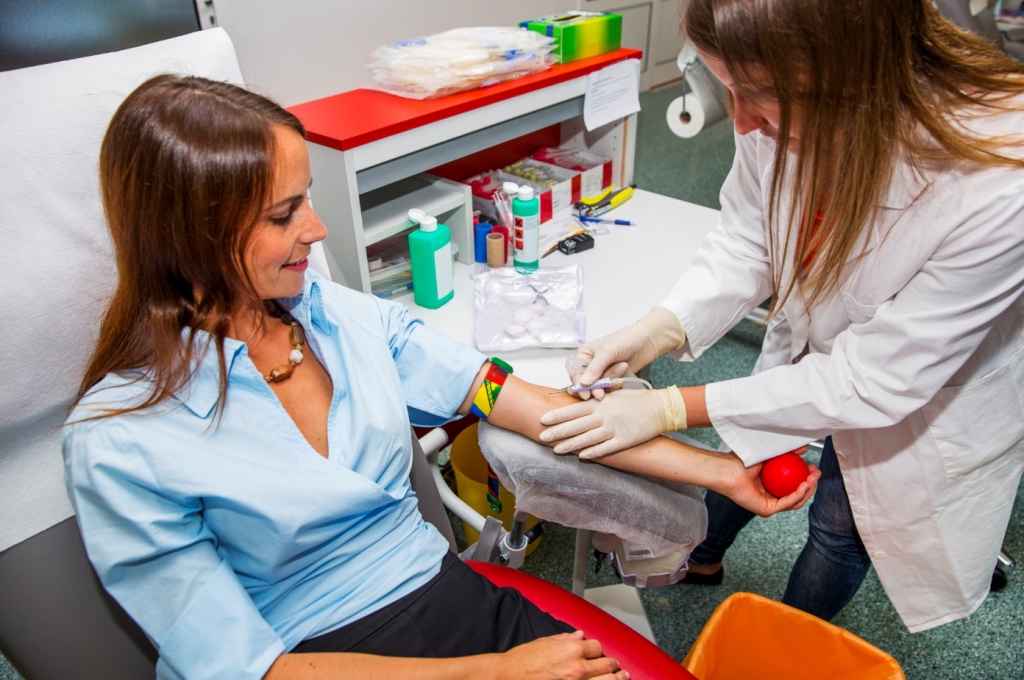
Mastering Phlebotomy: expert Tips to Learn and Succeed in Blood Collection skills
Embarking on a journey to become a skilled phlebotomist can be both exciting and rewarding. Mastering blood collection skills is essential for providing quality patient care, ensuring accurate test results, and advancing your career in healthcare. Whether you’re a beginner or looking to refine your techniques, this extensive guide offers expert tips to help you learn, practice, and succeed in phlebotomy.Dive in and discover how to perfect your blood collection skills with confidence.
Understanding phlebotomy: The Foundation of Blood Collection
Phlebotomy is the practice of drawing blood for laboratory testing, transfusions, or donations. It requires precision, confidence, and a good understanding of human anatomy.Effective blood collection not only hinges on proper technique but also on interaction skills, patient comfort, and safety protocols.
Why Mastering Phlebotomy Is Important
- Vital role in healthcare: Accurate blood testing is crucial for diagnosis and treatment.
- Career opportunities: Proficiency in blood collection opens doors to diverse healthcare roles.
- Patient trust and safety: Skilled phlebotomists reduce discomfort and prevent complications.
Essential Skills for Successful Phlebotomy
- Proper venipuncture technique
- Patient communication and empathy
- Knowledge of anatomy and vein selection
- Adherence to infection control protocols
- Handling and processing specimens correctly
Practical Tips for Learning Blood collection Skills
1. Obtain Proper Training and Certification
Start with accredited phlebotomy training programs that offer comprehensive coursework on anatomy,safety,and hands-on practice. Certified programs boost credibility and ensure you’re learning best practices mandated by healthcare standards.
2. Practice Patience and Confidence
mastery takes time. Practice consistently, start with simulated practice arms, and progressively build your confidence before working with real patients. Remember, nervousness can impact your technique, so stay calm and focused.
3. Develop a Systematic Approach
- Prepare: Gather all supplies and verify patient identity.
- Select: Choose an appropriate vein, typically the median cubital vein.
- Insert: Insert the needle at a 15-30 degree angle with steady hands.
- Collect: Fill the tube gently without excessive suction.
- Withdraw: Remove the needle smoothly and apply pressure.
4. Prioritize Patient Comfort and Communication
Explain each step, ask for consent, and reassure patients. Use gentle techniques to minimize discomfort and reduce anxiety.
5. Adhere to Safety and Infection Control Standards
Always wear gloves, sterilize equipment, and dispose of sharps safely. Staying compliant prevents infections and ensures a safe environment for both patient and practitioner.
Benefits of Becoming a Proficient Phlebotomist
| Benefit | Description |
|---|---|
| Enhanced Patient Trust | Skills that ensure minimizes discomfort and builds confidence. |
| Increased Job Opportunities | Proficiency opens doors to clinics, hospitals, and mobile labs. |
| Higher Accuracy in Test Results | Proper techniques reduce pre-analytical errors, ensuring reliable results. |
| Personal Growth & Satisfaction | Mastering a vital healthcare skill fosters confidence and professional pride. |
Common challenges and How to Overcome Them
1. Difficult Veins
If veins are small or hard to locate, consider warming the area or using a tourniquet longer to engorge veins.
2. Patient Anxiety
Reassure patients, explain procedures, and offer distraction techniques like deep breathing to ease their fears.
3. Needle Phobia
Be patient, gentle, and considerate. Offer alternatives like butterfly needles or smaller gauge needles when appropriate.
Real-World Case study: From Novice to Expert
Case Study: Jane, a newly certified phlebotomist, initially struggled with difficult veins. After extra practice on simulated arms, watching tutorials, and receiving mentorship from experienced colleagues, she improved her technique significantly. She now confidently performs blood draws, maintains patient comfort, and contributes to accurate test processing.
First-Hand Experience: Tips from Seasoned Professionals
veteran phlebotomists recommend:
- Consistent practice to refine your technique.
- Keeping learning resources updated and revisiting training materials.
- Building rapport with patients to ease procedures.
- Maintaining meticulous documentation and adhering to protocols.
Summary and Final Thoughts
Mastering phlebotomy is a blend of technical expertise, compassionate patient care, and continuous learning. By following expert tips, practicing diligently, and staying committed to safety standards, you can become a skilled blood collection specialist. Remember, confidence grows through experience, and every successful blood draw boosts your proficiency. Embark on your journey with enthusiasm and dedication-your expertise can make a real difference in healthcare!
Meta Information