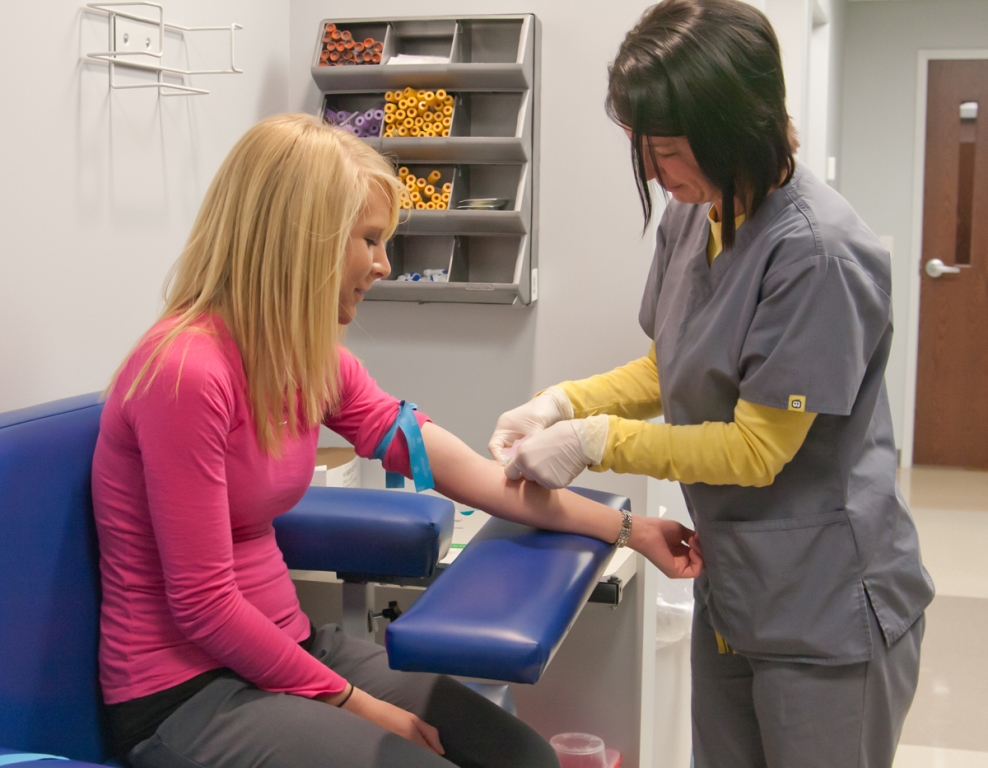
Mastering Phlebotomy and Hematology: Essential Skills and Insights for Healthcare Professionals
In the rapidly evolving world of healthcare, the roles of phlebotomists and hematology professionals are more critical than ever. Accurate blood collection and hematological analysis are foundational to diagnosing diseases, monitoring health conditions, and providing effective patient care. Whether you’re a budding healthcare worker or an experienced practitioner seeking to sharpen your skills, mastering the essentials of phlebotomy and hematology is vital for ensuring patient safety, improving diagnostic accuracy, and advancing your career.
Introduction
Phlebotomy-the process of drawing blood-is a core skill for many healthcare professionals. It’s a delicate procedure that requires technical proficiency, keen attention to detail, and excellent patient communication. Concurrently, hematology-the branch of medicine concerning blood and blood disorders-relies heavily on accurate blood samples and precise laboratory analysis. Integrating practical skills with a thorough understanding of hematological parameters empowers healthcare professionals to deliver comprehensive care.
Understanding Phlebotomy: The foundation of Blood collection
What is Phlebotomy?
Phlebotomy involves collecting blood samples from a patient for diagnostic testing,blood donation,or research purposes. Proper technique ensures sample integrity, minimizes discomfort, and reduces complications such as hematomas or infections.
Essential Skills for Effective Phlebotomy
- Patient Preparation: Explaining the procedure to ease anxiety and ensure cooperation.
- Vein Selection: Identifying the best vein using visual and tactile cues.
- Equipment Handling: Using the correct needles, vacutainers, and antiseptics.
- Venipuncture Technique: Proper insertion angle, depth, and secure tourniquet application.
- Sample Labeling & Handling: Accurate labeling and immediate processing to prevent errors.
- Safety & Hygiene: Following infection control protocols and disposing of sharps safely.
Common Challenges and How to Overcome Them
- Difficulty accessing veins-practice vein visualization techniques.
- Patient discomfort or fear-use calming communication strategies.
- Sample contamination-ensure proper site preparation.
- Needle phobia-explore alternative techniques or longer tourniquet application.
Hematology: Analyzing Blood for Diagnostics
Key Hematology Tests
| Test | Purpose | Sample Required |
|---|---|---|
| Complete Blood Count (CBC) | Assess overall health, detect anemia, infection, or clotting issues | Whole blood |
| Blood Smear | examine blood cell morphology for anemia, leukemia | Peripheral blood slide |
| Reticulocyte Count | Measure new red blood cell production | EDTA blood sample |
| Coagulation Tests | Evaluate clotting function, monitor anticoagulation therapy | Plasma samples |
Interpreting Hematology Results
Understanding hematology parameters allows healthcare professionals to identify abnormalities quickly. For example, low hemoglobin suggests anemia, elevated white blood cell counts can indicate infection or leukemia, and abnormal platelet levels point toward clotting disorders. A comprehensive understanding of these parameters supports accurate diagnosis and effective patient management.
Benefits of Mastering Phlebotomy and Hematology
- enhanced Patient Care: Accurate blood collection leads to reliable test results, facilitating precise diagnoses.
- Improved Efficiency: Skilled technicians reduce repeat draws and minimize specimen rejection.
- Professional Growth: Mastery of essential skills opens opportunities for career advancement in clinical laboratories and healthcare settings.
- Patient Safety: proper protocols reduce risk of infections, hematoma, and other complications.
Practical tips for Healthcare Professionals
- Invest in Training: Regular hands-on workshops enhance technical skills and confidence.
- Stay Updated: Keep abreast of evolving testing techniques and safety protocols.
- Prioritize Patient Comfort: Use empathetic communication to alleviate anxiety and explain procedures clearly.
- Maintain equipment Standards: Regularly check and sterilize needles, vacutainers, and other tools.
- Documentation and Record-keeping: Accurate labeling and recording prevent diagnostic errors.
Case Studies: real-world Insights into Phlebotomy and Hematology
Case Study 1: Reducing Hematoma Incidence in Elderly Patients
An outpatient clinic observed frequent hematoma formation after venipuncture among elderly patients. By implementing smaller gauge needles, applying the tourniquet with optimal tightness, and enhancing staff training on vein stabilization, the clinic reduced hematoma rates by 40%. This case underscores the importance of technique refinement and patient-specific considerations in phlebotomy.
Case Study 2: Detecting Hematological Disorders Through Routine Tests
A hospitalized patient displayed fatigue and pallor. Blood tests revealed a low hemoglobin level and abnormal red blood cell morphology, leading to a diagnosis of anemia. Further hematology workup identified underlying causes,exemplifying how skilled sample collection combined with accurate analysis is pivotal for timely diagnosis and treatment.
First-Hand Experience: Lessons from the Field
Many healthcare professionals report that consistent practice and ongoing education are key to mastering phlebotomy and hematology. Personally, developing a gentle touch and good communication skills drastically improved patient cooperation, especially with anxious pediatric or geriatric patients. Learning from real-world challenges fosters confidence and clinical competence.
Conclusion
Mastering the essential skills of phlebotomy and hematology is not only about technical proficiency but also about ensuring patient comfort, safety, and accurate diagnosis. By integrating practical techniques with a deep understanding of hematology,healthcare professionals can elevate the standard of blood collection and analysis,leading to better patient outcomes and professional growth. Continuously refining these skills through training, experience, and staying updated with emerging trends positions healthcare workers at the forefront of medical diagnostics.
takeaway Summary
- Comprehensive training in venipuncture and patient communication enhances accuracy and patient satisfaction.
- understanding hematology tests and parameters is crucial for effective diagnosis and treatment planning.
- Practical tips, case studies, and real-world experience provide valuable insights for healthcare professionals aiming to excel in blood collection and analysis.