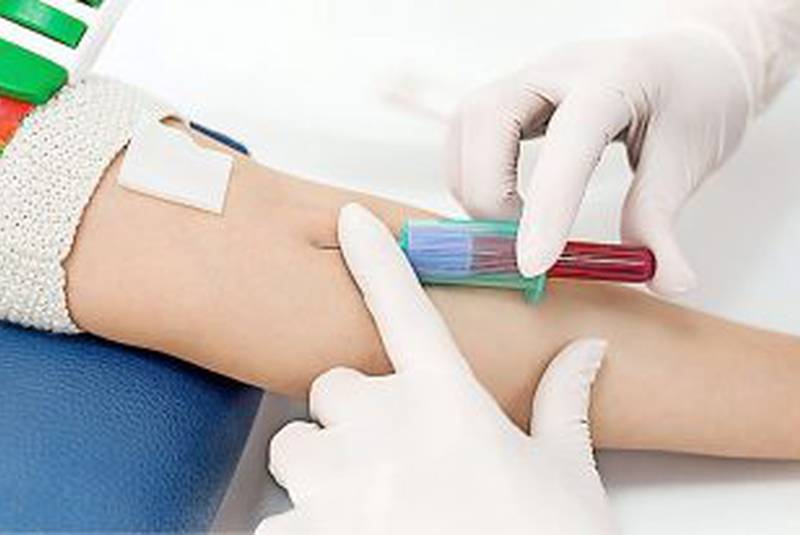
Mastering Blood Draw Techniques: A Step-by-step guide for healthcare Professionals
Blood draws are a critical procedure in healthcare, providing vital information about a patient’s health status.Mastering blood draw techniques is essential for healthcare professionals to ensure patient safety, comfort, and accurate test results. In this comprehensive guide, we’ll delve into effective methods of blood collection, highlight the importance of proper technique, and offer practical tips for success.
Why Master Blood Draw Techniques?
Understanding blood draw techniques is important for various reasons:
- Accuracy: Proper techniques reduce the risk of contamination and ensure that test results are reliable.
- Patient Comfort: Skillful execution minimizes discomfort and anxiety for patients.
- Professional Development: Mastering this skill enhances the expertise of healthcare professionals, lending to their credibility.
- Efficiency: Proficiency in blood draw techniques can reduce the time spent on each procedure, improving overall workflow.
Essential Blood Draw Equipment
Before diving into the techniques, it’s crucial to familiarize yourself with the essential equipment required for a prosperous blood draw:
| Equipment | Description |
|---|---|
| needles | Various sizes (usually 21-23 gauge) for different venous access needs. |
| Vacutainers | Color-coded tubes for different tests, each with specific additives. |
| Tourniquet | A device used to compress veins for easier access. |
| Alcohol Swabs | For aseptic technique before needle insertion. |
| Gauze and Bandages | For post-draw care and to control bleeding. |
Step-by-Step Blood Draw Techniques
Step 1: gather Your Supplies
Ensure all equipment is within easy reach to prevent unnecessary movement during the procedure.Hygiene is essential, so wash your hands and put on gloves.
Step 2: Prepare the Patient
- Identify the patient and verify their information.
- Explain the procedure clearly to alleviate anxiety.
- Position the patient comfortably, ideally seated or lying down.
Step 3: Select the Site
The most common site for blood draws is the antecubital fossa (the inner elbow). Consider the following:
- Inspect both arms for visible veins.
- Feel for the strongest and most accessible vein.
- Palpate and assess the size and depth.
Step 4: Apply the Tourniquet
Wrap the tourniquet approximately 3-4 inches above the chosen site. Make sure it’s tight enough to engorge the vein but not so tight that it causes pain.
Step 5: clean the Site
Use an alcohol swab to clean the skin in a circular motion from the inside out. Allow it to dry completely to avoid stinging and minimize the risk of infection.
Step 6: Insert the Needle
Hold the needle like a pencil with the bevel facing up. Insert the needle at a 15-30 degree angle, ensuring it enters the vein without excessive force.
Step 7: Collect the blood
Once you feel a ‘pop,’ indicating entry into the vein, gently push the vacuum tube onto the needle until it fills. Exchange tubes as needed, allowing the frist to fill completely before removing and inserting the next.
Step 8: Withdraw the needle
Once the blood draw is complete, remove the tube and apply gauze over the puncture site while withdrawing the needle in a swift motion. Engage pressure on the site to minimize bleeding.
Step 9: Dispose of Equipment
Immediately dispose of the needle and any used materials in proper sharps containers,following hospital protocols to ensure safety.
Step 10: Apply a Bandage
Once bleeding is controlled, apply a bandage. Instruct the patient on aftercare to avoid complications.
Benefits of Mastering Blood Draw Techniques
Healthcare professionals who excel in blood draw techniques gain multiple advantages:
- Increased patient Satisfaction: Minimizing discomfort leads to happier patients, enhancing their experience.
- Lower Anxiety Levels: Well-executed procedures foster trust between the professional and the patient.
- Improved Job Performance: Mastery leads to confidence, potentially resulting in less time spent per draw and more patients attended.
Practical Tips for Success
- Practice makes perfect; seek opportunities to practice under supervision.
- Stay updated with the latest guidelines and protocols in blood collection.
- Communicate openly with patients to lower their anxiety during the procedure.
- Reflect on your techniques regularly to identify areas for enhancement.
Case Studies: Real-Life Experiences
Case Study 1: A nurse at a local clinic reported a dramatic decrease in patient anxiety levels after utilizing a two-part communication strategy before blood draws.
Case study 2: A phlebotomist in a busy hospital implemented a time management technique by organizing her supply tray to reduce the time taken for each blood draw, leading to increased patient throughput.
First-Hand Experience
During my time in clinical rotations, I approached blood draws with apprehension, but with practice and guidance from seasoned professionals, I discovered that a friendly demeanor combined with proficient technique made all the difference. Each successful draw boosted my confidence, illustrating the direct relationship between skill mastery and patient experience.
Conclusion
Mastering blood draw techniques is essential for any healthcare professional who seeks to provide optimal care.This step-by-step guide equips you with the knowledge and confidence to perform blood draws efficiently and compassionately. Always remember: the key to success lies not just in the technique but also in the connection you create with your patient. Embrace practice opportunities, stay sharp with your skills, and continue to learn—they are the foundations of excellent healthcare delivery.