Master Your Future: Essential Guide to Phlebotomy Technician Training & Certification
Are you interested in launching a rewarding career in healthcare? Becoming a certified phlebotomy technician could be your perfect pathway. This essential guide provides an in-depth look at phlebotomy technician training and certification, equipping you with the knowledge to start your journey confidently. Whether you’re just exploring career options or ready to enroll in training programs, understanding the process, benefits, and practical tips will help you master your future in this growing field.
What is a Phlebotomy Technician?
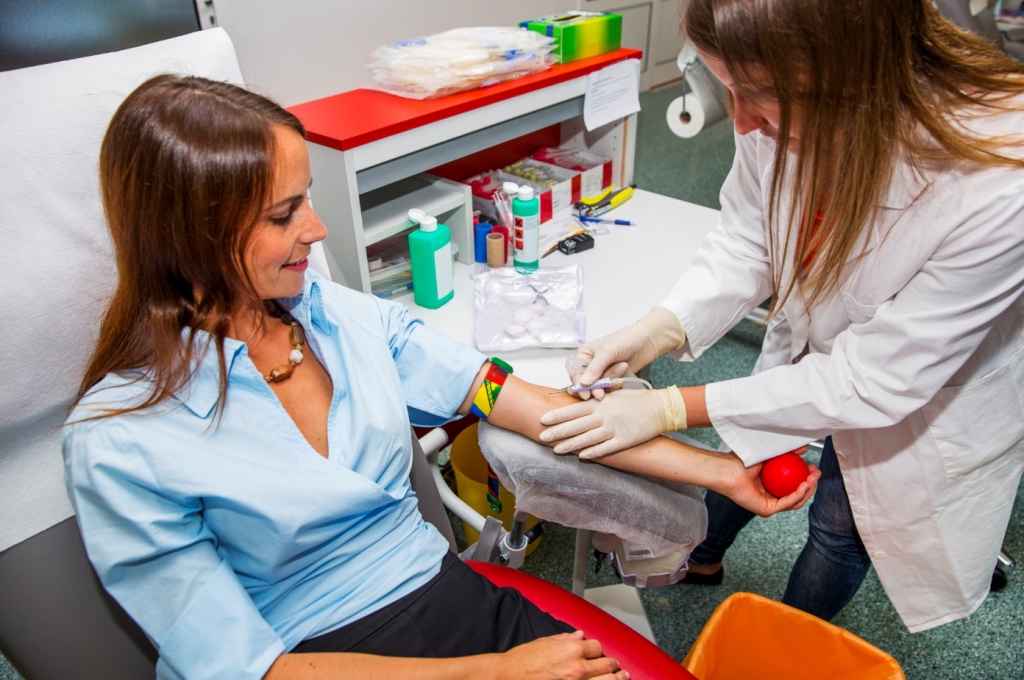
A phlebotomy technician, also known as a phlebotomist, is a healthcare professional trained to draw blood for tests, transfusions, donations, or research.Their role is critical in diagnostic processes, ensuring specimens are collected accurately and safely. As demand for healthcare services increases, especially in outpatient clinics, hospitals, and laboratories, so dose the need for skilled phlebotomy technicians.
Why Pursue Phlebotomy Technician Training & Certification?
- Growing job market: With an increasing need for diagnostic testing, employment opportunities are expanding.
- Competitive salary: entry-level salaries are attractive,with potential for growth.
- Entry into healthcare: A quick pathway to a healthcare career with minimal schooling.
- Job satisfaction: Direct interaction with patients and contributing to their health.
Phlebotomy Technician Training Program
Overview of Training Requirements
Training programs typically encompass classroom instruction and hands-on clinical experience. They cover topics such as anatomy, blood collection techniques, safety protocols, and patient interaction skills. Most programs last from four weeks to three months, making them a quick yet complete pathway into healthcare.
Key Topics Covered during Training
- Basic human anatomy and physiology
- Blood collection methods (venipuncture, capillary puncture)
- Infection control and safety procedures
- Proper use of collection equipment
- Patient communication and care
- Legal and ethical issues in phlebotomy
Phlebotomy Technician Certification Process
Steps to Get Certified
- Complete an accredited phlebotomy training program
- Accumulate required clinical hours or experience (if necessary)
- Pass a recognized certification exam
Popular Certification Options
| Certification Body | Exam Name | Eligibility |
|---|---|---|
| National Healthcareer Association (NHA) | Certified Phlebotomy Technician (CPT) | Completed training & clinical hours |
| American Society for Clinical Pathology (ASCP) | Certified Phlebotomy Technician (CPT) | Training + clinical experience |
| National Phlebotomy Association (NPA) | Certified Phlebotomist (CPT) | Training & practical experience |
Benefits of Certification
- Enhanced job prospects: Employers prefer certified technicians.
- Higher earning potential: Certification can lead to higher wages and advanced roles.
- Professional credibility: Demonstrates your skills and commitment.
- Continuing education opportunities: Certification frequently enough paves the way for specialization.
Practical Tips for Aspiring Phlebotomy Technicians
- Choose accredited training programs: Ensure your course meets industry standards.
- Gain clinical experience: Seek hands-on practice to build confidence and skill.
- Prepare thoroughly for exams: Use practice tests and study guides.
- Develop excellent communication skills: It’s vital for handling diverse patient interactions.
- Stay updated: Keep current with industry best practices and safety protocols.
Case Studies & First-hand Experiences
Case Study: A successful Transition into Healthcare
Jessica, a recent graduate of a phlebotomy program, secured her certification and quickly found employment at a local hospital. Her clinical training helped her develop confidence in venipuncture, leading to a smooth transition into her new role. Jessica highlights that hands-on practice and a strong support network were key factors in her success.
First-Hand tips from Professionals
“Always prioritize patient safety, and don’t be afraid to ask for help during your clinical training,” says Mark, a seasoned phlebotomy tech. “The more comfortable you are with your skills, the better care you will provide.”
Conclusion
Embarking on a career as a certified phlebotomy technician can be both fulfilling and practical. With comprehensive training, certification, and a commitment to patient care, you can open doors to numerous opportunities in the healthcare industry. Remember, mastering your future starts with choosing the right training program, earning your certification, and continuously honing your skills. Get ready to make a meaningful difference in patients’ lives and build a rewarding career in healthcare!
Ready to take the first step? Explore accredited phlebotomy training programs today and start your journey toward becoming a certified phlebotomy technician!