Master Essential Phlebotomy Terminology: Your Guide to Key Concepts in Blood Collection
Embarking on a career in phlebotomy or looking to sharpen your blood collection skills? Understanding the fundamental terminology related to phlebotomy is crucial for ensuring safe, efficient, and professional blood draws.this complete guide introduces you to key concepts, vital terminology, practical tips, and insights, all designed to build your confidence and expertise in blood collection procedures.
Introduction to Phlebotomy and Its Significance
Phlebotomy is the practice of drawing blood for laboratory testing, transfusions, or donations. It is a critical healthcare skill that requires precision, knowlege, and adherence to safety protocols. Mastering the relevant terminology not only enhances your interaction skills but also ensures compliance with industry standards, reduces errors, and promotes patient comfort.
Essential Phlebotomy Terminology to Know
Basic Blood collection Concepts
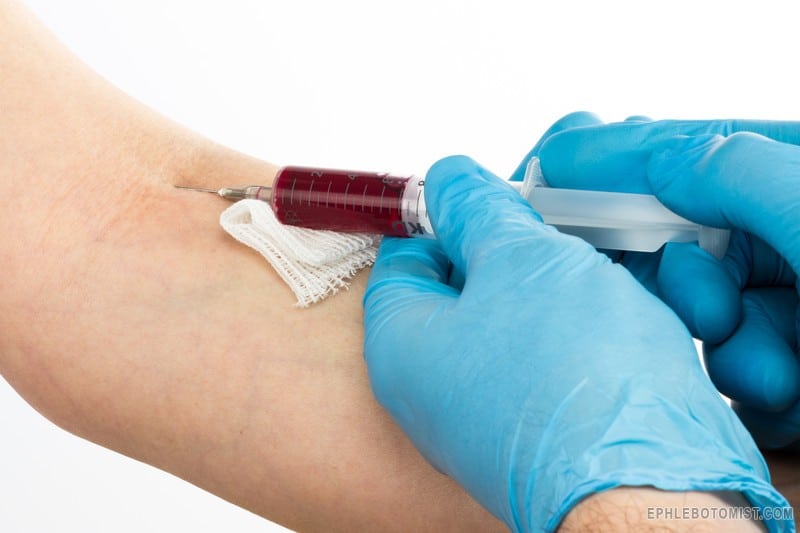
- Venipuncture: The process of puncturing a vein,typically to draw blood for testing or donation.
- Capillary Puncture: Blood collection from a capillary, usually via a fingerstick or heelstick, often used for glucose or blood gases.
- Blood draw/Phlebotomy Procedure: The act of collecting blood samples from a patient’s vein or capillary.
Common Equipment and Materials
| Term | Definition |
|---|---|
| Needle | A sterile needle used to puncture the vein for blood collection. |
| Vacutainer | A closed blood collection system with a vacuum-sealed tube for drawing blood. |
| tourniquet | A device wrapped around the upper arm to temporarily restrict blood flow, making veins more visible. |
| Alcohol Prep | Disposable pad soaked with alcohol used to disinfect the skin before puncture. |
Key Phlebotomy Techniques & Terms
- Anchoring: Securing the vein to prevent movement during blood collection.
- Ventilation: Releasing left-over air from the syringe or tube to prevent air embolism.
- Laboratory requisition: The form that indicates which tests are to be performed on the blood sample.
Types of Blood Collection Tubes
| tube Type | Usage & Additives |
|---|---|
| Serum Tubes | Contain no additives; used for serum separation in chemistry testing. |
| EDTA Tubes | Contain EDTA anticoagulant; used for hematology tests. |
| Heparin Tubes | Contain heparin; used for plasma chemistry tests. |
| Blood culture Bottles | Used for detecting blood infections; contain broth media to promote bacterial growth. |
Understanding Blood Collection Safety and Patient Care
- Universal Precautions: Safety protocols to prevent transmission of infection, including PPE and proper disposal of sharps.
- Patient Identification: Confirming patient identity to avoid sample errors.
- Sample Labeling: Accurate and legible labeling to ensure correct test processing.
Benefits of Mastering Phlebotomy Terminology
Having a thorough understanding of phlebotomy terminology offers several advantages, including:
- Enhanced Communication: Clear communication with healthcare team members and patients.
- Improved Safety: Knowledge of safety procedures reduces the risk of needlestick injuries and infections.
- Increased Confidence: Skilled handling of equipment and protocols fosters professionalism.
- Reduced Errors: Precise terminology aids in accurate sample collection and processing.
Practical Tips for Aspiring and Practicing Phlebotomists
Here are some practical tips to deepen your understanding and application of phlebotomy terminology:
- Engage in Hands-On training: Practice with supervision to become familiar with equipment and procedures.
- use Flashcards: Create card sets for terminology and definitions to reinforce memory.
- Review Industry Guidelines: Stay current with standards from organizations like OSHA, CLSI, and CMS.
- Ask Questions: Clarify any unfamiliar terms with experienced colleagues or instructors.
- Prioritize Patient Comfort: Use proper terminology to explain procedures clearly and reduce anxiety.
Case study: A Accomplished Blood Collection Experience
Jane, a novice phlebotomist, was nervous about puncturing a patient’s vein. She reviewed her terminology and techniques beforehand. During the procedure, she correctly applied her knowledge of venipuncture, properly anchored the vein, used the correct needle and tube, and labeled the sample accurately. The patient was pleasant, and the sample was processed without error-a testament to how mastering phlebotomy terminology improves real-world results.
Conclusion
Mastering essential phlebotomy terminology is foundational to becoming a competent and confident blood collection professional.Whether you’re just starting out or looking to refine your skills, understanding key concepts like venipuncture, equipment, safety protocols, and sample handling will substantially enhance your practice. Remember, clear communication, proper technique, and safety are the cornerstones of successful phlebotomy. Keep learning, practicing, and staying current with industry standards to excel in this vital healthcare discipline.