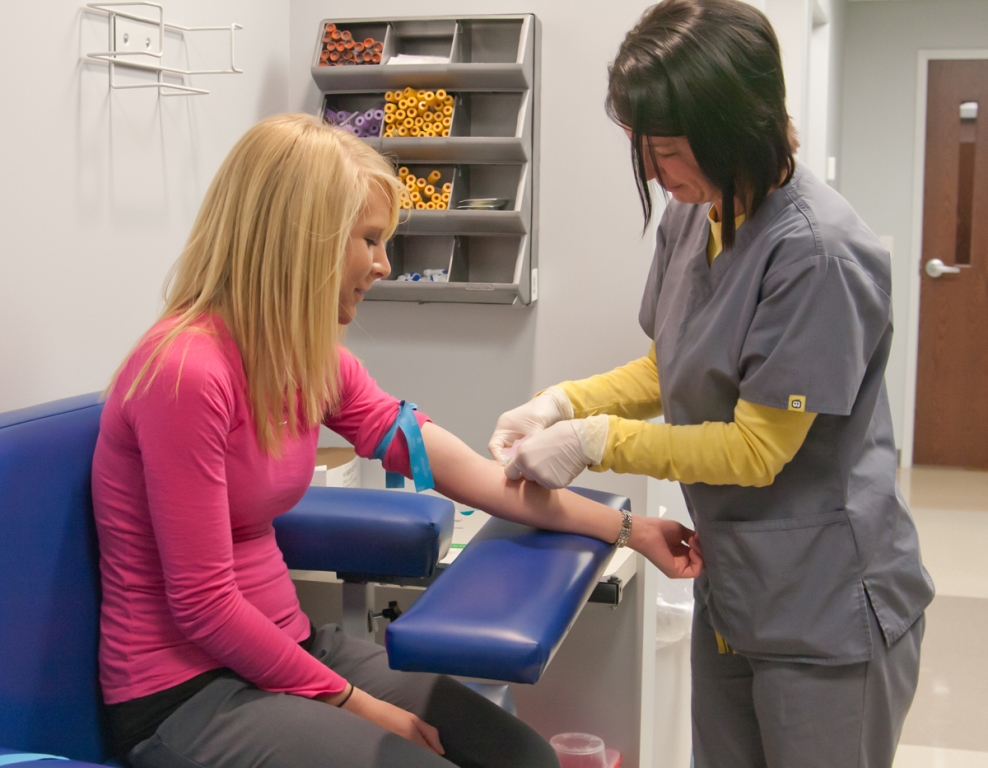
Top Reasons to Enroll in Phlebotomy School: Your Gateway to a Rewarding Medical Career
Are you considering a career in the healthcare industry but unsure where to start? phlebotomy offers an excellent entry point into the medical field, combining hands-on work, job stability, and meaningful patient interactions. Enrolling in phlebotomy school can open doors to a rewarding career as a certified phlebotomist, with numerous professional benefits.
Introduction
In today’s fast-paced healthcare environment, skilled professionals are always in demand. Phlebotomy, the practice of drawing blood for testing, donations, or transfusions, plays a crucial role in diagnosing and treating patients. For those seeking a healthcare career that’s accessible, practical, and impactful, phlebotomy training provides a perfect pathway. This article explores the top reasons to enroll in phlebotomy school, highlighting the benefits, career prospects, and practical tips to succeed.
Why Choose Phlebotomy School? key Benefits at a Glance
| Benefits | Highlights |
|---|---|
| Fast Certification Process | Complete training in as little as a few weeks to a few months |
| High Job Demand | Growing need for qualified phlebotomists across healthcare settings |
| Entry-Level Accessibility | No extensive higher education required; suitable for diverse backgrounds |
| Competitive Salary | Earn a respectable income early in your career |
| Flexible Work Opportunities | Part-time, full-time, outpatient clinics, hospitals, mobile units |
Top Reasons to Enroll in Phlebotomy School
1. Fast Track to a Healthcare Career
One of the most compelling reasons to enroll in phlebotomy school is the swift pathway into healthcare. Unlike other medical careers that require years of schooling, becoming a certified phlebotomist typically takes only a few weeks to a few months. This means you can start your new career sooner and begin earning income faster.
2. High demand for Certified Phlebotomists
Healthcare facilities are continually seeking qualified phlebotomists to support diagnostics and patient care. According to the U.S. Bureau of Labor Statistics, employment of phlebotomists is projected to grow faster than average, due to increased testing, an aging population, and expanding healthcare services. Job security is a important advantage for those trained in this field.
3. Low Barrier to Entry
Compared to many medical professions, phlebotomy requires minimal prior education. Most programs only demand a high school diploma or GED, making it accessible to a wide range of individuals. additionally, many schools offer flexible enrollment options, including online courses and evening classes.
4.Competitive Salary and Earning Potential
While starting salaries vary by location and facility, certified phlebotomists often enjoy competitive wages. As you gain experience and additional certifications, your earning potential increases. Moreover,overtime and weekend shifts can provide further income opportunities.
5. Professional Development and career Advancement
Enrolling in phlebotomy school can be the first step toward broader healthcare careers. Many phlebotomists advance into roles like medical assisting, laboratory technician, or nursing. Continued education and certifications expand your skills and open doors to higher-paying positions.
6.Meaningful Patient Interaction and Job Satisfaction
Phlebotomists form direct contact with patients daily. Many find fulfillment in providing comfort and care during stressful medical procedures. This meaningful work fosters job satisfaction and personal growth.
7. Flexibility and Diverse Work Settings
From hospitals and clinics to mobile blood drives and diagnostic labs, phlebotomists enjoy working in various environments. Flexible scheduling options cater to different lifestyles, making it easier to balance work and personal life.
Benefits and Practical Tips for Prospective Students
- Choose Accredited Programs: Ensure your phlebotomy training is accredited to qualify for certification exams and job placement.
- Gain Hands-On Experience: Practical training in real clinical settings is vital for confidence and competence.
- Obtain Certification: certification through organizations like the National Phlebotomy association can improve employability.
- Develop Soft Skills: Compassion, communication, and attention to detail are crucial for success.
- Network Professionally: Engage with instructors and industry professionals for mentorship and job opportunities.
Case Study: A success story
Meet Sarah,a recent graduate of a fast-track phlebotomy program. After completing her training and certification, she secured a position at a local hospital within two months. Her dedication and compassionate approach earned her recognition from supervisors, leading to a quicker promotion and salary increase. Sarah now plans to pursue further certifications for laboratory technology, illustrating how phlebotomy can be a stepping stone in healthcare careers.
First-Hand Experience: What It’s Like as a Phlebotomist
Many students and professionals report that working as a phlebotomist is both challenging and rewarding. It requires technical skill, patience, and empathy. The direct patient interactions often bring a sense of accomplishment, especially when helping someone through a stressful situation or aiding in diagnosis and treatment.
conclusion
Enrolling in phlebotomy school is an excellent investment in your future, offering a quick, accessible pathway into the thriving healthcare industry. With high job demand, competitive salaries, and opportunities for growth, becoming a certified phlebotomist can lead to a fulfilling and stable career. Whether you’re seeking a fast track into healthcare or a meaningful way to serve others, phlebotomy provides a perfect starting point. Take the first step today and embrace a rewarding medical career that makes a real difference!