How Much do Phlebotomists Earn? Complete Salary Insights & Career Outlook
Are you considering a career as a phlebotomist or curious about the earning potential in this vital healthcare role? Phlebotomists play an essential part in medical diagnostics,collecting blood samples that are critical for patient care. Not only is this role in demand, but it also offers a promising salary outlook and career growth opportunities. In this extensive guide, we’ll explore exactly how much phlebotomists earn, the factors influencing their salaries, benefits of the profession, and practical tips to boost your career. Let’s dive into the details!
What Is a Phlebotomist? An Overview
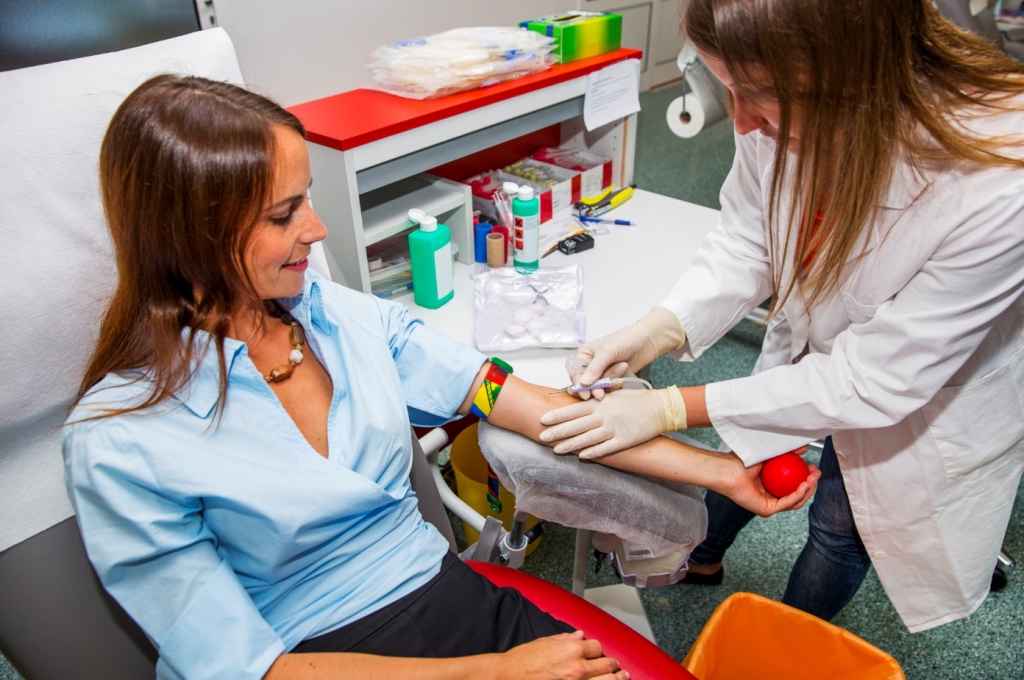
A phlebotomist is a trained healthcare professional responsible for drawing blood from patients for laboratory testing, blood donations, transfusions, or research. They are often the first point of contact in the blood collection process and play a crucial role in ensuring patient safety and comfort.
Most phlebotomists work in hospitals, clinics, diagnostic labs, blood banks, and sometimes in mobile blood donation units. Due to their specialized skills,phlebotomists are in high demand across the healthcare industry.
How Much Do phlebotomists Earn? Salary Breakdown
Average Salary for Phlebotomists in 2023
The average annual salary for a phlebotomist in the United States is approximately $36,000 to $40,000. However, this range can vary significantly based on experience, geographic location, education, and work setting.
Median Salary Insights by State
| State | median Salary | Average Hourly Rate |
|---|---|---|
| California | $42,500 | $20.43 |
| Texas | $36,800 | $17.69 |
| Florida | $35,200 | $16.92 |
| New york | $44,000 | $21.15 |
| Illinois | $38,500 | $18.52 |
Entry-level vs.Experienced Phlebotomists
- Entry-Level Salary: Typically ranges from $28,000 to $32,000 annually.
- Mid-Career Salary: Ranges between $35,000 and $42,000, with more responsibilities and experience.
- Senior or Specialized Roles: Can earn upwards of $45,000 or more, especially with certification or leadership positions.
Factors Influencing Phlebotomist Salaries
Several variables impact how much a phlebotomist earns. Understanding these factors can definately help you plan your career goals and negotiate better compensation.
1. Geographic Location
Salary levels tend to be higher in urban areas and states with higher living costs like California, New York, and Massachusetts. rural regions may offer lower wages but might provide other benefits such as less competition and more job security.
2. level of Education & Certification
Most employers prefer certified phlebotomists. Holding a certification from a recognized organization like the American Society for Clinical Pathology (ASCP) can lead to higher wages and better job prospects.
3. Work Environment & Setting
- Hospitals and Medical Centers: Usually pay more due to higher demand and stressful environment.
- Private Labs & Blood Banks: Competitive salaries, frequently enough with flexible shifts.
- Mobile Blood Donation Units: May offer slightly lower wages but provide unique community service opportunities.
4. Experience & Specialization
The more experienced and specialized you are, the higher your earning potential. Skills like specimen processing, IV insertion, or phlebotomy training for pediatric patients can open doors to higher-paying roles.
Benefits & Practical Tips for Aspiring Phlebotomists
Besides a salary, phlebotomists enjoy several benefits:
- Job stability due to high demand in healthcare
- opportunities for advancement into supervisory or training roles
- Versatility to work full-time, part-time, or evenings
- Future growth potential with additional certifications and education
Here are some practical tips to maximize your earning potential:
- Obtain certification from reputable organizations like ASCP or NHA.
- Gain experience in diverse settings to broaden your skills.
- Consider specialization in areas such as pediatric phlebotomy or IV therapy.
- Keep abreast of industry trends and pursue continuing education.
- Negotiate your salary confidently during job offers or annual reviews.
Real-Life Success Stories & Case Studies
Case Study: Lisa, a certified phlebotomist in Los Angeles, started with an entry-level salary of $30,000. Over five years, she specialized in pediatric blood draw techniques, transitioned to a senior technician role, and now earns over $45,000 annually. Her commitment to continuous learning and certification played a key role in her salary growth.
Success Tip: Consistent upskilling and networking within healthcare communities can open doors to higher-paying opportunities and career advancement.
Career Outlook & Future Opportunities
The demand for phlebotomists is expected to grow significantly in the upcoming years.According to the U.S. Bureau of Labor Statistics (BLS), employment of phlebotomists is projected to increase by 10% from 2022 to 2032, faster than the average for all occupations.
This growth is driven by rising healthcare needs, an aging population, and expanded medical testing. For those entering the field, this means increased job security, potential for higher wages, and opportunities to advance into supervisory or specialized roles.
Conclusion
a career as a phlebotomist offers a promising combination of stable income, rewarding work, and strong growth prospects. While the average salary ranges from $36,000 to $40,000 annually,experienced and certified professionals can earn substantially more. Factors such as location, experience, and specialization play vital roles in salary determination. By investing in certification, gaining diverse experience, and keeping up with industry trends, aspiring phlebotomists can maximize their earning potential and enjoy a fulfilling healthcare career.
If you’re passionate about helping others and interested in a healthcare role with steady growth, becoming a phlebotomist can be an excellent choice. Start exploring certification programs today and take the first step toward a lucrative and impactful career in medical diagnostics!