Is Phlebotomy a good Career? Benefits, Pros & Career Outlook Explained
Choosing a healthcare career can be rewarding and impactful, but its essential to select a path that aligns with your interests, skills, and long-term goals. One such promising career is phlebotomy.If you’re exploring options in the medical field or looking for a job with stability,adaptability,and opportunities for growth,this comprehensive guide will shed light on whether becoming a phlebotomist is a good choice. We’ll cover the benefits, pros & cons, career outlook, practical tips, and real-life experiences to help you make an informed decision.
What Is a phlebotomist? An Overview
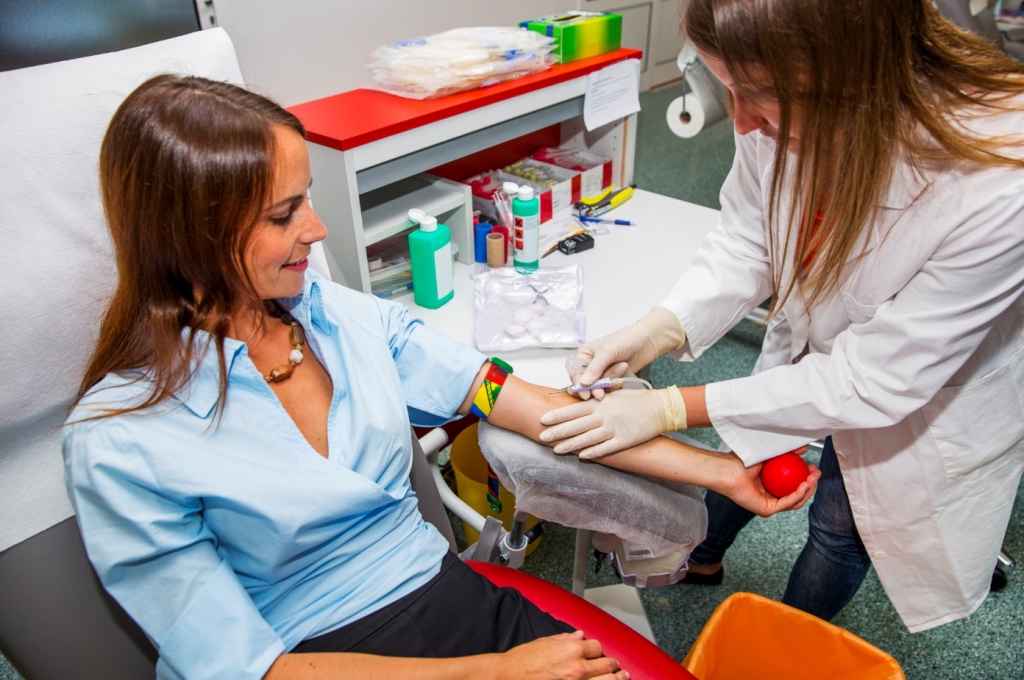
A phlebotomist is a trained healthcare professional responsible for drawing blood from patients for medical testing,transfusions,donations,or research. Their role is crucial in diagnostic procedures, helping physicians diagnose illnesses and plan treatment effectively. Phlebotomists typically work in hospitals, clinics, laboratories, blood banks, and even mobile blood donation units.
Benefits of choosing a Phlebotomy Career
Considering a career in phlebotomy offers numerous advantages. Let’s explore some of the key benefits:
1.short Training Period
Most phlebotomy certification programs take less than a year to complete, making it an accessible career option for those eager to enter the healthcare field quickly.
2. Job Stability and Demand
The healthcare industry continues to grow steadily, with a consistent need for qualified phlebotomists. The increasing focus on diagnostics and preventive healthcare ensures ongoing job opportunities.
3. Competitive Salary
while not the highest-paying healthcare role, phlebotomy offers a respectable income, especially considering the relatively low training investment.
4. Flexibility and Work Environment
Many phlebotomists enjoy flexible schedules, part-time positions, and the chance to work in diverse settings like hospitals, clinics, or mobile units.
5. Personal Fulfillment
Helping patients and contributing to vital health assessments provides a sense of purpose and job satisfaction.
Pros & Cons of a Career in Phlebotomy
Like any profession, being a phlebotomist has its advantages and challenges. Here’s an overview:
Pros:
- Fast entry into healthcare
- High demand for services
- Opportunities for career advancement
- Relatively low cost of training
- Potential for specialization (e.g., forensic, pediatric, or arterial blood collection)
Cons:
- Repetitive and physically demanding work
- Potential exposure to blood-borne illnesses
- High-pressure situations, especially with difficult patients
- Limited scope of practice without further training
Career Outlook for Phlebotomists
The future looks bright for those considering a career in phlebotomy. According to the U.S. Bureau of Labor statistics (BLS), employment of phlebotomists is projected to grow much faster than average, with an expected increase of 11% from 2020 to 2030.
| Aspect | Details |
|---|---|
| Job Growth | 11% (2020-2030) |
| Median Salary | Around $36,000 per year |
| Work Settings | Hospitals, laboratories, clinics, mobile units |
| Advancement Opportunities | Supervisory roles, specialized techniques, training roles |
Practical Tips for Starting a Phlebotomy Career
If you’re convinced that phlebotomy aligns with your career goals, here are some practical steps to get started:
- Research accredited phlebotomy certification programs in your area or online.
- Complete the required training hours and pass certification exams (e.g., National Phlebotomy Association, American society for Clinical Pathology).
- Gain hands-on experience through internships or externships.
- Develop strong interpersonal skills to handle diverse patient populations.
- Seek employment in hospitals, clinics, or blood donation centers.
Case Study: Real-life Phlebotomist Experience
Maria, a certified phlebotomist working at a busy metropolitan hospital, shares her experience: “I loved the quick training and the ability to help patients daily. Sure,there are challenging days when patients are anxious or uncooperative,but knowing I makes a difference keeps me motivated. The job stability is reassuring, especially in today’s fluctuating job market.”
Is Phlebotomy a Good Career for You?
Assess your interests,skills,and goals to determine if phlebotomy is the right path. It suits individuals who enjoy healthcare, working with people, and are agreeable with some physical tasks. With its promising job outlook, manageable training, and meaningful work, phlebotomy can be a fulfilling and lucrative career choice.
Conclusion
becoming a phlebotomist can be a very rewarding career option if you’re seeking a healthcare profession with quick entry, stable job prospects, and the chance to make a real difference in patients’ lives. While it has its challenges, the overall benefits and growing demand make it a smart choice for many.Whether you’re just starting in healthcare or looking to advance your career, phlebotomy offers a practical and impactful pathway into the medical field.