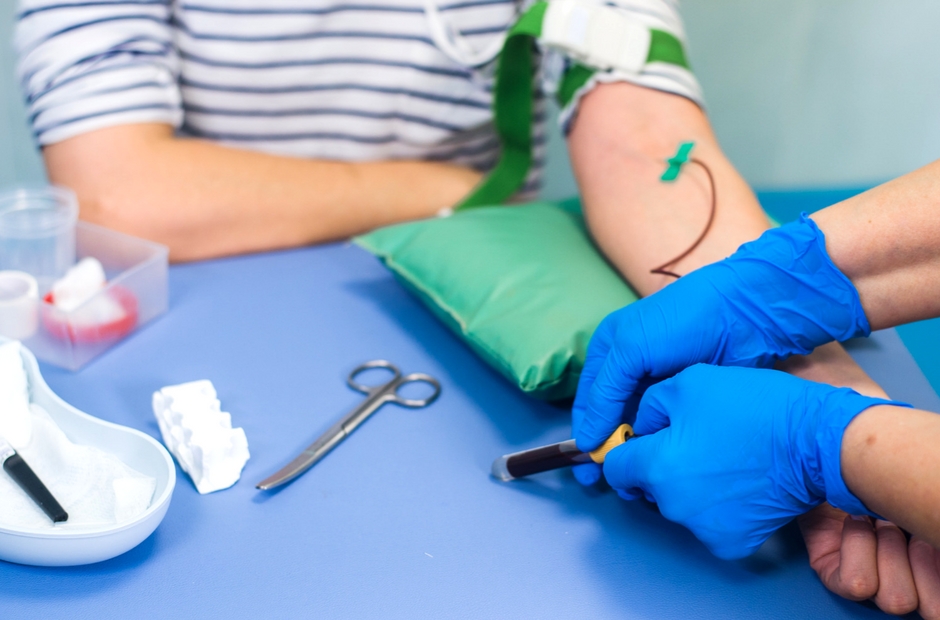
Essential Guide to Paediatric Phlebotomy Training: Tips for Comfortable Child Blood Draws
Performing blood draws in paediatric patients requires specialized skills, patience, and a compassionate approach. Proper paediatric phlebotomy training not only ensures accurate diagnostic results but also helps reduce the child’s anxiety and discomfort during the procedure. In this extensive guide, we explore the essentials of paediatric phlebotomy training, share practical tips for successful and comfortable blood draws, and highlight the key benefits of well-trained practitioners.
Introduction
Blood collection from children can be a challenging task for healthcare professionals. Unlike adults, children may have smaller veins, fear of medical procedures, and heightened sensitivity, which can make blood draws stressful for everyone involved. Consequently, specialized paediatric phlebotomy training is vital for health practitioners to develop the skills necessary to perform safe, effective, and compassionate blood collection. This article aims to provide a detailed overview of essential training components, practical tips for smoother blood draws, and insights into creating a child-friendly experience.
Why Is Paediatric phlebotomy Training Vital?
Improper technique or lack of proper training can lead to multiple issues during blood collection, including:
- Failed attempts resulting in repeated procedures
- Child’s increased anxiety and discomfort
- Potential injury such as hematoma or nerve damage
- Inaccurate laboratory results due to improper sample collection
Well-designed paediatric phlebotomy training addresses these challenges by emphasizing child-centric approaches, safety protocols, and psychological comfort, resulting in better experiences and outcomes.
Core Components of Effective Paediatric Phlebotomy Training
Hands-On practice
Realistic simulation exercises are crucial. Trainees should practice on mannequins and supervised live patients to develop confidence and technical skills.
Child Psychology & Communication
Understanding a child’s developmental stage enables practitioners to use age-appropriate language and reassurance techniques, which significantly reduce fear.
Venipuncture Techniques & Equipment
Knowledge of selecting the right veins, needle sizes, and collection devices tailored for children is essential for minimizing discomfort and ensuring sample integrity.
Safety & Infection Control
Training must stress strict adherence to sterilization protocols, proper disposal of sharps, and recognizing adverse reactions.
Special Considerations in Paediatric Blood collection
- Handling babies and infants
- Collecting from anxious or uncooperative children
- Managing challenging-to-find veins
Practical Tips for Performing Comfortable Child Blood Draws
Implementing these practical strategies enhances the child’s experience and improves the success rate of venipuncture procedures:
- Prepare in Advance: Gather all necessary equipment and inform caregivers about the process.
- Use Child-Friendly Communication: Speak softly, explain procedures in simple terms, and reassure often.
- Create a Calm Surroundings: Use soothing music,warm blankets,or toys to distract and comfort the child.
- Choose the Right Site: The antecubital fossa is common, but choice sites like the dorsal hand or foot may be preferable.
- Engage the Child: Use distraction techniques such as bubbles,storytelling,or video screens.
- Optimize Technique: Use small gauge needles and gentle, steady movements to minimize pain.
- Post-procedure Comfort: Apply pressure and a cute bandage; praise the child to build trust.
Benefits of Proper Paediatric Phlebotomy Training
| Benefit | Outcome |
|---|---|
| Reduced Anxiety | child feels more comfortable during blood draw |
| Higher success Rates | Fewer failed attempts and quicker procedures |
| Enhanced Safety | Minimized risk of injury and contamination |
| Improved Patient Experience | Increased cooperation and trust from children and parents |
Case Study: Turning a Challenging Blood Draw into a Success
Jane, a trained pediatric phlebotomist, was called to collect blood from a 3-year-old preschooler who had previously refused blood draws. Applying her specialized training, she established rapport using playful language, allowed the child to hold a favorite toy, and used a warm compress to locate a vein. The procedure took fewer than three minutes, with minimal distress. Both parents expressed their gratitude for the gentle approach and professional conduct. This case exemplifies the importance of skilled paediatric phlebotomy training in achieving positive outcomes.
First-Hand Experience: Why Practical Training Matters
During my early days as a pediatric phlebotomist, I observed that technical skill alone wasn’t enough. It was only when I integrated child psychology, effective communication, and empathy into my practice that I noticed a notable improvement in both success rates and patient comfort. Participating in simulation exercises and shadowing experienced professionals provided the confidence and techniques necessary to excel. This hands-on practical experience underscores the value of dedicated paediatric phlebotomy training programs.
Conclusion
mastering paediatric phlebotomy is a vital skill for healthcare providers working with children. A comprehensive training program that combines technical expertise, psychological understanding, and practical request ensures safer, more comfortable blood collection experiences for young patients. By investing in proper paediatric phlebotomy training,practitioners can significantly reduce stress,improve diagnostic accuracy,and foster trust with their youngest patients. Whether you’re new to pediatric blood draws or looking to refine yoru skills, prioritize specialized training to become a confident and compassionate professional.
get Started Today
if you’re interested in enhancing your paediatric phlebotomy skills, explore accredited training courses, attend workshops, and seek mentorship from experienced practitioners. Your commitment can transform challenging blood draws into positive experiences for children and their families.