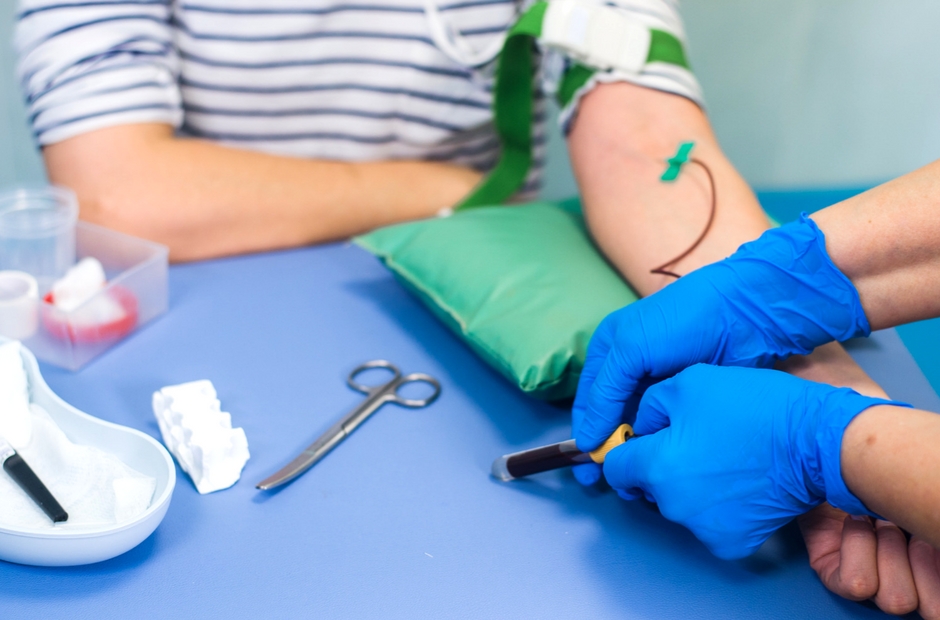
How to Obtain Your Phlebotomy Licence: A Step-by-Step Guide to Starting Your Healthcare career
Embarking on a career in healthcare as a licensed phlebotomist can be a rewarding and fulfilling journey. Phlebotomy—the art of drawing blood—is a vital skill in medical laboratories, hospitals, and clinics. But before you can start working, you’ll need to obtain the appropriate phlebotomy license or certification. In this comprehensive guide, we’ll walk you through each step to help you understand how to become a licensed phlebotomist and kickstart your healthcare career.
What Is a Phlebotomy License?
A phlebotomy license or certification is an official credential that proves you have met specific educational and practical requirements to safely and effectively perform blood collection procedures. Licensure requirements vary by state and country, but acquiring this credential is essential for employment and professional credibility in healthcare facilities.
Why Is Obtaining a Phlebotomy License Crucial?
- Legal Compliance: Many states mandate licensure for practicing as a phlebotomist.
- Job Opportunities: Employers favor licensed professionals due to their verified competence.
- Career Advancement: Licensing opens pathways to specialization and higher wages.
- Patient Safety: Licensed phlebotomists are trained to perform blood draws safely and accurately, reducing risks for patients and staff.
Step-by-Step Guide to Obtaining Your Phlebotomy License
Step 1: Meet the Basic Eligibility Criteria
Before starting your journey, ensure you meet these foundational requirements:
- Minimum age of 18 or 21 years, depending on your state or program
- High school diploma or GED equivalent
- Passion for healthcare and patient care
Step 2: Enroll in an Accredited Phlebotomy Training program
the next crucial step is completing a comprehensive training program. Look for programs accredited by recognized bodies such as the National Accrediting Agency for Clinical Laboratory Sciences (NAACLS) or the American Society for Clinical Pathology (ASCP). Training typically includes:
- Classroom instruction on anatomy, blood collection techniques, safety protocols
- Hands-on practical experience in a clinical setting
- Readiness for certification exams
Step 3: Gain Hands-On Practical Experience
Most training programs offer clinical internships or externships, providing real-world experience in blood collection. This practical component is vital for building confidence and skills before you seek licensure.
During your externship, you’ll learn how to:
- Identify veins and select appropriate needles
- Properly label samples
- Maintain safety and hygiene standards
- Interact professionally with patients
Step 4: Pass the Certification Exam
Though some states require licensure, most accept certification from recognized agencies such as:
- Certified Phlebotomy Technician (CPT) by the American Society for Clinical Pathology (ASCP)
- Registered Phlebotomy Technician (RPT) by the National Healthcareer association (NHA)
- Certified Phlebotomy Technician (CPT) by the American Medical Technologists (AMT)
Preparation tips include reviewing study guides, practicing blood draw techniques, and taking mock exams. Certification enhances your employability and demonstrates your competence to employers.
Step 5: Apply for Your State Licensure
Requirements for licensure differ by state. Typically, the process involves submitting:
- Proof of completed training and hands-on experience
- Certification exam results
- Request form and fee
- Background check and immunization records
Visit your state’s health department or medical licensing board website for specific instructions and application forms.
Common Licensure and Certification Requirements by State
| State | licensure Required? | Certification Accepted? | Notes |
|---|---|---|---|
| California | Yes | Yes, through approved certifying agencies | Requires passing a state exam |
| Texas | No license required | Certification recommended | Certification often necessary for employment |
| florida | Yes | Yes | Must renew biennially |
Benefits of Being a Licensed Phlebotomist
- Enhanced credibility and trust from patients and employers
- Higher earning potential and job stability
- Opportunities to specialize in areas like pediatric or trauma phlebotomy
- Pathway to further healthcare careers, such as medical assisting or nursing
Practical Tips for Success
- Choose accredited training programs to ensure quality education
- Prioritize hands-on practice to build confidence
- Maintain up-to-date immunizations and health documentation
- Prepare thoroughly for certification exams with review materials and mock tests
- Network with healthcare professionals and join relevant associations for career growth
Case Study: From Student to licensed Phlebotomist
Emma was a high school graduate interested in healthcare. She enrolled in an accredited phlebotomy training program and completed her externship at a local hospital. After passing her certification exam,she applied for licensure in her state. Emma’s dedication paid off—they certified her, and she was hired at a major medical laboratory. Emma’s story illustrates how proper training, certification, and licensure open doors to a rewarding healthcare career.
First-Hand Experience: What to Expect on the Job
Many aspiring phlebotomists wonder what the daily routine looks like.Most days involve:
- Preparing blood collection equipment
- Interacting with diverse patients
- Ensuring proper sample labeling and documentation
- Adhering to safety protocols
- Handling challenging venipunctures with patience and skill
Gaining real-world experience during your training and externship prepares you for this dynamic and crucial role within healthcare settings.
Conclusion
Obtaining your phlebotomy license is a straightforward process when you follow the right steps—meeting eligibility criteria,enrolling in accredited training,gaining practical experience,passing certification exams,and applying for state licensure. This journey not only validates your skills but also paves the way for a stable and fulfilling career in healthcare. Whether your just starting out or considering a career transition, becoming a licensed phlebotomist is a meaningful way to contribute to patient care and the medical community. Begin your journey today and take the first step towards a rewarding healthcare career!