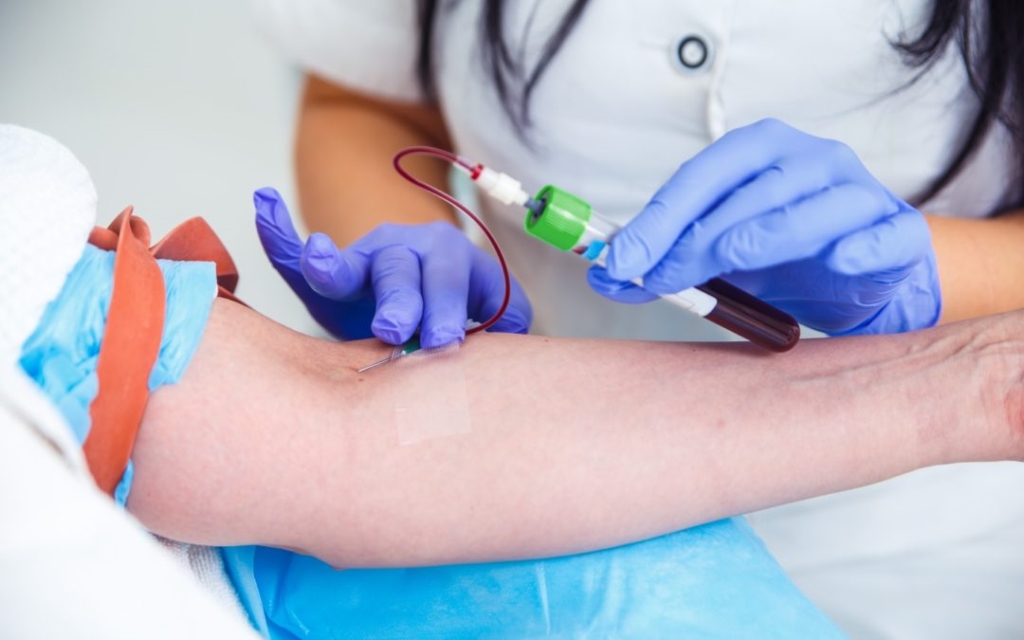
How to Earn Your Phlebotomy Training Certification: Your Path to a Triumphant Healthcare Career
Embarking on a career in healthcare is both rewarding and impactful, and becoming a certified phlebotomist is an excellent starting point. With teh increasing demand for healthcare professionals skilled in blood collection and laboratory procedures, obtaining your phlebotomy training certification opens doors to numerous employment opportunities in hospitals, clinics, laboratories, and even mobile health services. In this thorough guide, we’ll walk you through the essentials of earning your phlebotomy certification, practical tips, benefits, and real-life success stories to help you kickstart your healthcare career with confidence.
Why Choose a Career in Phlebotomy?
Phlebotomy is a vital component of medical diagnostics. Certified phlebotomists play an essential role in collecting blood specimens that help diagnose and monitor various health conditions. Here are some compelling reasons to pursue a phlebotomy certification:
- High demand for trained professionals in healthcare settings
- Entry-level position with flexible working hours
- Short training programs with rapid certification turnaround
- Opportunities for career advancement in the medical field
- Fulfilling work that directly helps patients and medical teams
Steps to Earn Your Phlebotomy Training Certification
Getting certified as a phlebotomist involves a series of structured steps, from choosing the right training program to passing the certification exam. Here’s a detailed breakdown:
1. Research and Select a Certified Phlebotomy Training Program
Begin your journey by enrolling in an accredited training program that covers essential skills such as blood collection techniques, safety protocols, and patient interaction. Ensure the program meets state-specific requirements if applicable, as regulations vary across states.
2. Complete Required Training Hours
Most certification programs require between 40 to 120 hours of classroom instruction and hands-on training. topics typically include anatomy, medical terminology, infection control, and specimen handling.
3. Gain Practical Experience Through Clinical Hours
Many programs incorporate clinical externships where students perform blood draws on real patients under supervision. Practical experience is crucial for building confidence and proficiency.
4. Meet Eligibility Requirements
Most certifying agencies require applicants to be at least 18 years old, have a high school diploma or GED, and demonstrate competency in blood collection procedures.
5. Prepare for the Certification Exam
Preparation includes reviewing course materials, practicing blood draw techniques, and taking practice exams.Consider online practice tests and study guides to boost your confidence.
6. Pass the Certification Exam
The most recognized certifying bodies include the American Society for Clinical Pathology (ASCP), National Healthcareer Association (NHA), and American Medical Technologists (AMT). The exam typically covers theoretical knowledge and practical skills.
7.Maintain Your Certification
Certifications often require renewal every 2-4 years through continuing education credits and re-certification exams. Staying updated with industry standards ensures ongoing employment and career growth.
Top Certified Phlebotomy Training Programs and Certification Bodies
| Training Program / Certification Body | Requirements | Exam Focus |
|---|---|---|
| American Red Cross | Adult learners, clinical externship | Blood draws, safety, patient interaction |
| ASCP | Certified MT or CLS preferred, clinical hours | Theoretical and practical blood collection |
| NHA | High school diploma, clinical experience | Blood collection procedures, safety protocols |
| AMT | Related healthcare training, clinical practice | Blood collection skills and safety standards |
Benefits of Obtaining a Phlebotomy Certification
Investing in certified training offers numerous advantages, including:
- Enhanced job prospects and marketability
- Higher earning potential
- legal and professional recognition
- Possibility to work in diverse healthcare settings
- Foundational step towards advanced healthcare roles
Practical Tips to Succeed in Your Phlebotomy Training
- Choose a reputable and accredited program
- Practice blood collection techniques regularly
- Develop excellent communication skills for patient interaction
- Stay organized and attentive to safety protocols
- Engage actively during clinical rotations
- Use online resources and study guides to prepare for exams
Real-Life Case Study: From Training to Triumph
Meet Lisa: after completing her accredited phlebotomy program, Lisa secured certification and started working at a local hospital. Her dedication to patient care and technical skills earned her praise from supervisors. Within two years, she advanced to a laboratory technician role, illustrating how certification can serve as a springboard for career advancement.
First-Hand Experience: What to Expect During Your Training
Many students find that hands-on practice is the most valuable part of their training. Expect to learn how to:
- Identify appropriate veins for blood draws
- Ensure patient comfort and consent
- Follow strict safety and infection control guidelines
- Handle and label specimens accurately
Building confidence through practice and mentorship is key to becoming a proficient and certified phlebotomist.
Conclusion
Embarking on a career as a certified phlebotomist is an achievable and rewarding pathway into the healthcare industry. By choosing the right training program, gaining practical experience, and successfully passing your certification exam, you position yourself for a dynamic career with numerous opportunities for growth. Whether you’re just starting or looking to advance your healthcare credentials, earning your phlebotomy certification is a smart investment in your future. Take the first step today, and help make a difference in the lives of patients and healthcare providers alike!