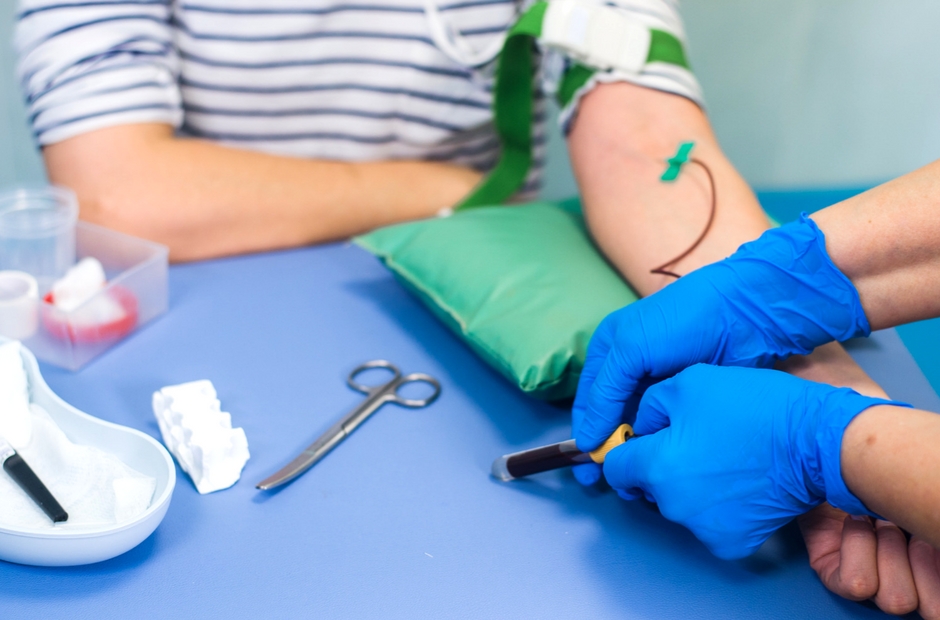
How to Become a Certified Phlebotomist: Step-by-Step Guide for Aspiring Healthcare Professionals
If you’re passionate about healthcare and interested in playing a vital role in patient diagnostics, becoming a certified phlebotomist is a rewarding career path. Phlebotomists are healthcare professionals trained to draw blood samples for laboratory testing, transfusions, and donations. this comprehensive guide will walk you through the essential steps to become a certified phlebotomist, highlighting training requirements, certification processes, benefits, practical tips, and real-life experiences.
Understanding the Role of a phlebotomist
Before diving into the certification journey, it’s vital to understand what a phlebotomist does and why this role is critical in the healthcare industry.
- Key responsibilities: drawing blood, labeling samples, maintaining precise documentation, and ensuring patient safety and comfort.
- Work settings: Hospitals, clinics, blood donation centers, laboratories, and physician’s offices.
- qualities needed: attention to detail, excellent interaction skills, compassion, and steady hands.
Step 1: meet the Basic Education requirements
To begin your journey toward becoming a certified phlebotomist, you need to fulfill preliminary educational criteria.
- Have a high school diploma or GED equivalent.
- Some programs may prefer or require basic science knowledge, so a background in biology or health sciences can be beneficial.
Step 2: Choose a certified Phlebotomy Training Program
Enrollment in a reputable training program is a crucial step. These programs prepare you wiht the necessary skills and knowledge to perform blood draws safely and professionally.
Types of Training Programs
- Community colleges offering diploma or certificate courses
- Vocational schools specialized in phlebotomy training
- online courses combined with in-person practical training
What to Look for in a Program
- Accreditation by recognized bodies, such as the National Accrediting Agency for clinical Laboratory Sciences (NAACLS)
- Hands-on clinical practise component
- Comprehensive curriculum covering anatomy, safety protocols, and collection techniques
- Flexible schedules to accommodate your needs
| training Program Features | Benefits |
|---|---|
| Accreditation | Ensures quality and improves certification prospects |
| Hands-on Practice | Builds confidence and skill in real-world settings |
| Flexible Scheduling | Allows working students to complete training |
step 3: Complete Phlebotomy Training and Clinical Practice
Accomplished completion of your chosen program should include:
- Didactic coursework in anatomy, patient care, safety, and laboratory procedures
- Supervised clinical hours to practice blood collection techniques
- Preparation for certification exam requirements
Typically, these programs last from a few weeks to several months, depending on their intensity and depth.
Step 4: Obtain Certification as a Certified phlebotomist
While certification requirements vary by state, earning a national certification is often highly recommended to increase employability and recognize your proficiency.
Popular Certification Organizations
- American Society for Clinical Pathology (ASCP)
- National Healthcareer association (NHA)
- American Certification Agency (ACA)
- National Phlebotomy Association (NPA)
Certification Eligibility Criteria
- Completion of a recognized phlebotomy training program
- Passing the certification exam
- Some organizations require a minimum number of blood draws performed
How to Prepare for the Certification Exam
- Review the exam content outline provided by the certifying body
- Utilize practice exams and study guides
- Attend review courses if available
Summary of Certified Phlebotomy Certifications
| Certification | Requirements | Validity |
|---|---|---|
| CPht (certified Phlebotomy Technician) | Completion of accredited training & passing exam | 3 years,renewable |
| PBT (Registered Phlebotomy Technician) | Approved training & exam | 5 years,renewable |
| CPT (Certified Phlebotomy Technician) | Training & clinical hours,exam | 3 years,renewable |
Benefits of Certification and Employment Opportunities
Getting certified as a phlebotomist opens doors to numerous job opportunities and competitive salaries in the healthcare sector.
- Increased employability: Certified professionals are preferred by employers.
- Higher earning potential: Certification often correlates with better compensation.
- Career advancement: opportunities to specialize or move into related healthcare fields.
Practical Tips for Aspiring Phlebotomists
- Never stop practicing; honing your skills leads to better patient outcomes.
- Develop excellent communication skills to comfort anxious patients.
- Stay updated on safety standards and industry best practices.
- Build a professional network through industry associations and job fairs.
Real-Life Case Study: From Student to Certified phlebotomist
Meet Emily, a recent graduate of a community college phlebotomy program. After completing her training and clinical hours,she passed the NASC certification exam. Today, Emily works at a busy hospital, drawing blood for thousands of patients each month. Her dedication and certification have opened doors to further healthcare education and specialization opportunities.
Additional Resources and Practical Tips
- Join professional associations like the American Society for Clinical Pathology (ASCP).
- Practice your venipuncture techniques regularly.
- Maintain a professional appearance and demeanor.
- Stay physically fit to handle physically demanding tasks.
Conclusion
Becoming a certified phlebotomist is a tangible goal for those interested in healthcare professions that combine technical skills with patient interaction. By following this step-by-step guide-from meeting educational requirements and completing accredited training to earning certification-you can embark on a successful career in the medical field. The demand for qualified phlebotomists continues to grow, making this a promising and fulfilling career path for aspiring healthcare professionals.
Start your journey today by researching accredited programs in your area, preparing thoroughly for your certification exam, and committing to ongoing professional advancement. The future in healthcare awaits dedicated individuals like you!