How Long Is Phlebotomy Training? Your Complete Guide to certification Duration and Program Details
Embarking on a career as a phlebotomist can be both rewarding and practical, especially with the growing demand for healthcare professionals. But one of the most common questions aspiring phlebotomists ask is: How long does phlebotomy training take? In this comprehensive guide, we will explore the typical duration of phlebotomy training programs, certification timelines, essential program details, and practical tips to help you start your journey confidently.
Understanding Phlebotomy Training: An Overview
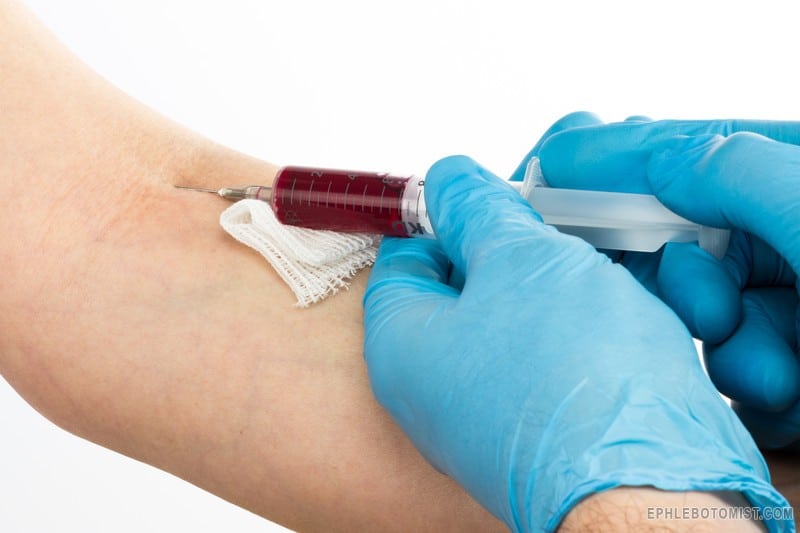
Phlebotomy training involves acquiring the skills necessary to collect blood samples safely and effectively for diagnostic testing,blood donations,and research.The duration of training varies depending on the program type, delivery method, and state or country requirements. Generally, aspiring phlebotomists can expect their training to range from a few weeks to several months.
Typical Duration of Phlebotomy Training Programs
1. Short-Term Phlebotomy certification Programs
Most community colleges, vocational schools, and online programs offer short-term phlebotomy certification courses. These programs are designed to provide focused training in a condensed timeframe, making them ideal for those seeking a fast entry into the healthcare field.
- Duration: 1 to 4 weeks
- Format: In-person, online, or hybrid
- Content: Blood collection techniques, safety procedures, anatomy, and lab regulations
2. Comprehensive Phlebotomy Certification Courses
Some programs offer a more extensive curriculum that includes additional healthcare topics, clinical rotations, and exam readiness. These typically take longer but provide broader knowledge and practical experience.
- Duration: 4 to 12 weeks
- Format: Usually in person with hands-on training
- content: Advanced blood collection, patient interaction, laboratory procedures, ethics, and documentation
3. degree and Diploma Programs
For those interested in a deeper healthcare career, some institutions combine phlebotomy training with other healthcare courses to offer diplomas or associate degrees.These are more comprehensive and typically take longer to complete.
- Duration: 6 months to 1 year
- Format: Campus-based, hybrid, or online with practical labs
- Content: Broader medical knowledge, in-depth labs, internships, and certification prep
Certification Process and Expected Timeframes
Completing phlebotomy training is just one step towards certification. After finishing your program, you will usually need to pass a certification exam to become a licensed or certified phlebotomist. The overall timeline from starting your training to obtaining certification can vary:
- Training Completion: 1-12 weeks
- Certification Exam Preparation: 1-2 weeks
- Exam Scheduling and Processing: 2-4 weeks
In total, you can typically expect to become certified within approximately 2 to 4 months after beginning your phlebotomy training, depending on the program length and exam logistics.
Significant Factors That Influence Training Duration
Several factors can affect how long it takes to complete phlebotomy training, including:
- Type of program (short-term vs. comprehensive)
- Availability and scheduling versatility
- State or country certification requirements
- Clinical rotations and practical hours
- personal commitment and study pace
Benefits of Shorter vs. Longer Phlebotomy Programs
While shorter programs allow quicker entry into the workforce, more comprehensive courses offer in-depth knowledge and perhaps better job prospects. Consider your career goals, learning style, and available time when choosing a program:
| Program Type | Duration | Advantages | Considerations |
|---|---|---|---|
| Short-term Certification | 1-4 weeks | Fast entry, cost-effective | Limited scope, less practical experience |
| Comprehensive Courses | 4-12 weeks | Broader skills, better job prep | Longer, more costly |
Practical Tips for Aspiring Phlebotomists
- Research Accredited Programs: Ensure your program is accredited and recognized by relevant health boards.
- Get Hands-On Experience: look for programs that include clinical rotations for real-world practice.
- Prepare for Certification Exams: Use practice tests and study guides to strengthen your knowledge.
- Gain Soft Skills: Cultivate empathy,communication,and professionalism,essential qualities for patient interactions.
- Stay Informed: Keep up with updates in blood collection techniques and safety standards.
Case Study: From Training to Career
Meet Sarah, who chose a 6-week comprehensive phlebotomy program. After completing her training and clinical rotations, she took the certification exam within a month. Today, she works at a busy outpatient clinic and credits her practical experience and dedicated study for her successful transition into her role. Her story exemplifies how proper training duration and preparation can lead to a rewarding career in healthcare.
Conclusion
the length of phlebotomy training varies based on program type, delivery method, and individual goals. Most certification programs last from 1 to 12 weeks, with some extended options for broader healthcare education.The total timeline from starting training to becoming certified generally ranges from about 2 to 4 months, allowing you to jumpstart your healthcare career quickly. Remember to choose an accredited program, gain practical experience, and prepare thoroughly for certification to succeed in this fulfilling profession.
Carefully consider your career aspirations and available time when selecting a program. With the right training and dedication, you can become a vital part of the healthcare system, helping patients and supporting medical diagnoses every day. Good luck on your journey to becoming a certified phlebotomist!