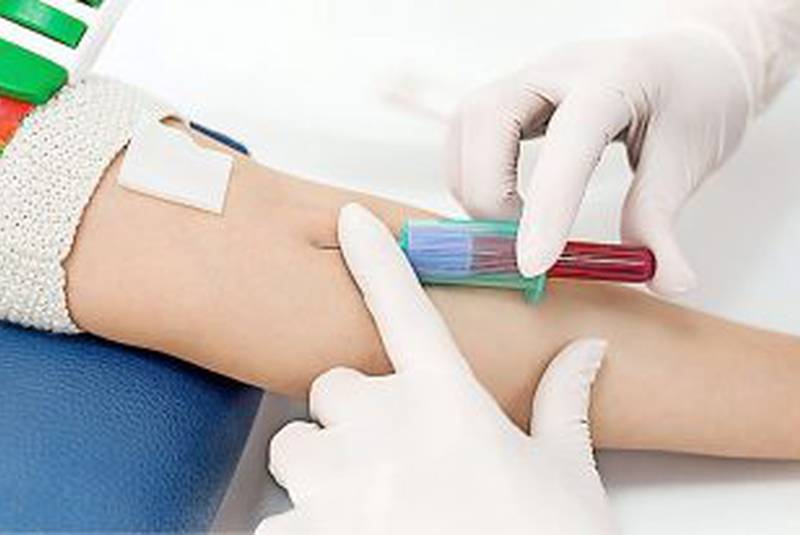
Discover Career Opportunities with a Phlebotomy Certificate: Top roles & Benefits
Introduction: Why a Phlebotomy Certificate Opens Doors in Healthcare
if you’re exploring a fast-track entry into healthcare, a phlebotomy certificate offers a practical, in-demand pathway. Phlebotomy technicians are essential in clinics, hospitals, blood banks, and mobile patient care settings. With a focused program that emphasizes blood collection techniques,safety,and patient interaction,you can start an impactful career in weeks rather than years. In this article, you’ll discover the top roles you can pursue with a phlebotomy certificate, the benefits of this credential, practical tips to maximize opportunities, and real-world insights to help you plan your career trajectory.
What is a Phlebotomy certificate?
A phlebotomy certificate is a focused credential that validates your ability to safely and accurately collect blood samples from patients for laboratory testing. Programs typically cover topics such as venipuncture techniques, capillary puncture, specimen labeling, specimen transport, patient communication, infection control, biosafety, and basic anatomy. Most programs include hands-on clinical externships to ensure you meet real-world competency.
After completing a program, you’ll usually pursue a certification exam from a recognized certifying body (for example, National Healthcareer Association, American Certification Agency, or NCCT’s Certified Phlebotomy Technician). Certification reinforces your credibility with employers and can open doors to higher- paying roles in healthcare settings.
Top Roles You Can Pursue with a Phlebotomy Certificate
The phlebotomy certificate prepares you for a range of patient-facing and laboratory-support roles. Here are some of the most common and in-demand positions:
- Certified Phlebotomy Technician (CPT) - The standard entry-level role focused on venipuncture, blood draws, and specimen processing under supervision.
- Phlebotomist in Hospitals – Work in inpatient and outpatient settings, often in busy environments like emergency departments or hematology units.
- Mobile Phlebotomy Technician – Travel to patients’ homes or workplaces to collect samples, offering convenience for homebound or busy clients.
- Pediatric phlebotomist – Specialize in drawing blood from children,requiring gentle techniques and strong communication skills.
- Specimen Collection Technician – Focus on accurate labeling, handling, and routing of specimens to the laboratory.
- Laboratory Support / Medical Assistant Roles - In smaller clinics, phlebotomy skills complement broader clinical duties.
Each role requires a foundational set of skills: precise venipuncture technique, patient comfort and communication, adherence to safety standards (PPE, infection control), and reliable documentation. Some settings may offer specialized opportunities, such as working with oncology patients, dialysis centers, or fertility clinics, where sample types and scheduling rhythms differ.
Career Snapshot: Roles, Duties, Certifications, and Pay Range
| Role | Typical Duties | Certifications (example) | Estimated Pay Range* |
|---|---|---|---|
| Certified Phlebotomy Technician (CPT) | Venipuncture, capillary draws, labeling, specimen transport | NCCT CPT, NHA PBT, ACAHP CPT | $32k-$45k/year (varies by region) |
| Hospital Phlebotomist | Inpatient draws, STAT draws, specimen processing | State certification + facility training | $34k-$48k/year |
| Mobile Phlebotomist | Home visits, clinics outreach, flexible scheduling | PBT/CPT + CPR | $30k-$44k/year |
*Salary ranges are approximate and vary by location, employer, and experience.
Benefits of Earning a Phlebotomy Certificate
- Fast Entry into Healthcare – Certificate programs frequently enough take less than a year, enabling a quicker transition into a stable career.
- High Demand and Job Stability – Blood collection is a fundamental healthcare function with steady demand across hospitals,clinics,and labs.
- Flexible Career Paths – Work in outpatient settings, hospitals, blood banks, mobile collections, or educational roles.
- Strong practical Skills – Develop hands-on competency in venipuncture, safety protocols, patient communication, and teamwork.
- Foundation for Advancement – A phlebotomy certificate can be a stepping stone toward nursing,radiology,or laboratory science programs.
- Competitive start with Low Debt - Short programs offer affordable options relative to longer degree paths.
- Contributing to Patient Care – Directly impact patient experiences by reducing wait times and maintaining accurate sample handling.
Practical tips to Maximize your Phlebotomy Career Opportunities
- Choose an accredited Program – Look for programs accredited by reputable bodies and that include an externship/clinical rotation.
- Get Certified – Plan to earn a recognized phlebotomy certification (e.g., CPT, PBT) after completing training.
- Build Core Skills - Practice venipuncture techniques, tourniquet placement, patient comfort strategies, and specimen labeling accuracy.
- Expand Your Skill set – Obtain CPR/First Aid certification and training in OSHA/BBP safety standards to boost employability.
- Develop Soft skills – Effective communication, empathy, and multitasking help you excel in fast-paced environments.
- Seek Hands-On Experience – Prioritize programs with strong externships or volunteer opportunities to gain real-world exposure.
- Network in Healthcare Settings – Attend career fairs, join local healthcare associations, and connect with labs and clinics near you.
Case Studies and Real-World Experiences
Case Study: From Phlebotomy Student to Hospital Team Member
Maya completed a six-month phlebotomy certificate program with an externship at a metropolitan hospital. She focused on improving patient rapport, especially with anxious first-timers. Within a year, she earned a certification, joined the hospital’s outreach team for mobile draws, and was promoted to a lead phlebotomist in the outpatient lab. Her story highlights how patient-centered care and hands-on training can accelerate advancement.
Case study: Transition into Pediatric Phlebotomy
Rajesh decided to pursue pediatric phlebotomy after gaining general phlebotomy experience. He joined a children’s hospital, completed specialized training on calming techniques for pediatric patients, and implemented child-amiable prep routines. The experience not only improved patient satisfaction scores but also opened opportunities in pediatric research study sites.
Education & Certification Requirements
most aspiring phlebotomists complete a postsecondary certificate program that includes clinical practice. Typical requirements include:
- High school diploma or GED
- Phlebotomy certificate program (often 4-12 months)
- Clinical externship or practicum experience
- national and/or state certification (varies by country/state)
- CPR/First Aid certification (often recommended)
Keep in mind that certification requirements can differ by jurisdiction. Some employers accept state-level credentials or employer-specific training in addition to formal education. Always verify the requirements for your target location and employer.
Career Path and Advancement
A phlebotomy certificate is a strong foundation for broader healthcare roles. Consider these progression options:
- Senior Phlebotomy Technician – More responsibilities, mentorship, and possible shift leadership.
- Laboratory Assistant or Specimen Processing Technician – Expanded duties in specimen handling, accessioning, and data entry.
- Medical Assistant – Combines phlebotomy with basic clinical tasks and front-desk responsibilities.
- Transition to Nursing or Allied Health Programs – Use phlebotomy experience as a stepping stone into nursing, radiology, or clinical laboratory science.
- Management Roles – With experience, pursue supervisor or lead technologist roles in larger labs or hospital settings.
frequently Asked Questions
Do I need a degree to become a phlebotomist?
No degree is required for many entry-level phlebotomy roles. A postsecondary certificate is typically sufficient, followed by certification. Some positions may prefer additional clinical hours or experience.
How long does it take to become a certified phlebotomist?
Most certificate programs take about 4-12 months, depending on the program format and whether you pursue a clinical externship as part of the curriculum.
What certifications should I pursue?
Common options include Certified Phlebotomy Technician (CPT) through NCCT, Phlebotomy Technician (PBT) through NHA, and various state or employer-specific credentials. Check your region’s requirements and target employers.
Conclusion: start Your Healthcare Career with Confidence
A phlebotomy certificate can be your entry ticket to a meaningful healthcare career with rapid advancement possibilities. By choosing an accredited program, securing certification, and actively seeking hands-on experience, you position yourself for roles that combine technical skill with compassionate patient care. Whether you envision working in a bustling hospital, a community clinic, or delivering mobile blood collection services, your certificate provides versatility and a clear path forward.
If you’re ready to embark on this journey, start by researching reputable programs near you, compare certification options, and map out a 6-12 month plan to earn your credential and secure your first phlebotomy position. The healthcare field needs skilled phlebotomists who can draw blood efficiently, communicate with patients, and uphold the highest safety standards-and you can be one of them.