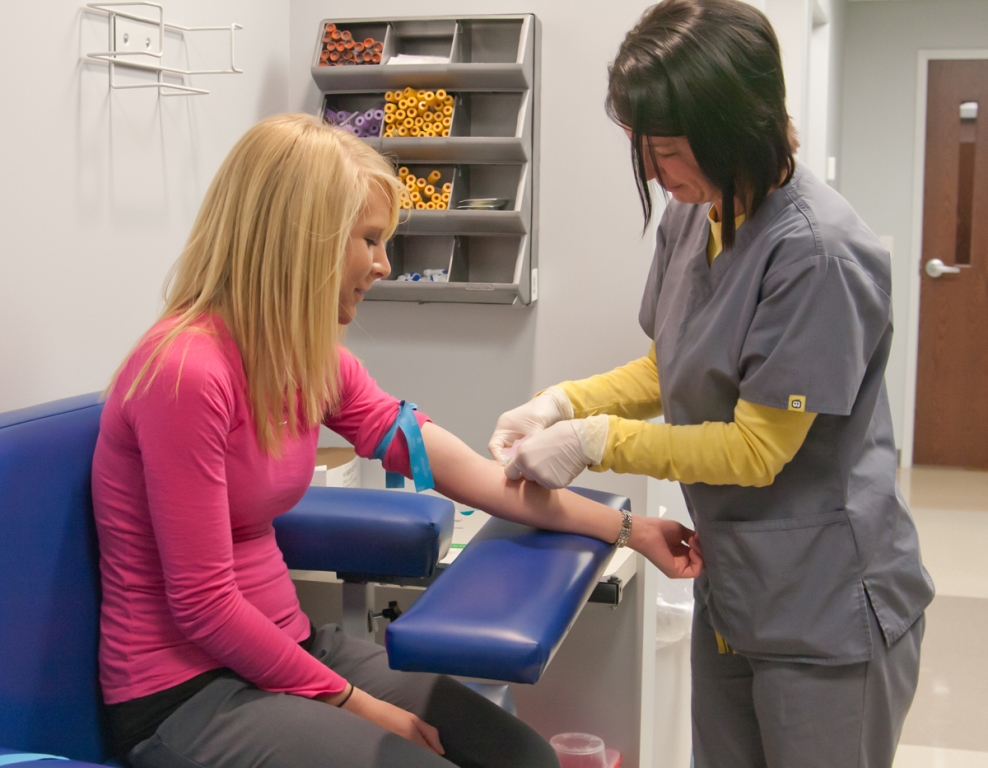
Understanding the Phlebotomy Order of Draw: Essential Guide for Accurate blood Collection
When collecting blood samples, precision matters-not just in what you collect, but in the order you collect it. The phlebotomy order of draw is a standardized sequence designed to prevent cross-contamination of additives between tubes, which could otherwise skew laboratory results. Whether your a student entering the field, a seasoned phlebotomist, or a clinician seeking a clearer understanding of lab safety and accuracy, this guide breaks down the order of draw, the rationale behind it, and practical tips to ensure reliable, high-quality specimens.
What is the Phlebotomy order of Draw?
The phlebotomy order of draw refers to the specific sequence in which blood collection tubes are filled during a single venipuncture. Each tube contains a distinct additive or no additive at all,designed to preserve the integrity of particular analytes or to react with specific components of the blood.Collecting tubes in the wrong sequence can lead to “cross-contamination” of additives, altering test results and potentially impacting patient care. Adhering to the standard order of draw helps ensure accuracy across a broad range of routine and specialized tests.
Why the Order Matters
- Prevent additive carryover: Some tubes contain anticoagulants or clot activators. If a tube with a strong additive is drawn after a tube with a weaker additive, traces can transfer and affect downstream tests.
- Preserve specimen integrity: Certain tests require serum or plasma in a specific state. Following the order helps maintain the expected matrix (serum vs.plasma) for accurate analysis.
- Reduce contamination risk: Drawing blood cultures first minimizes contamination from skin flora, improving culture results and patient safety.
- Consistency across labs: A standardized sequence supports reproducibility and reliability of results across facilities and laboratories.
The Standard Order of Draw: An In-Depth Look
Below is the commonly accepted order of draw used in many hospitals and clinical laboratories in North america,based on CLSI guidelines and widely adopted practices. Keep in mind that some laboratories may have slight variations, but the core principle remains the same: draw tubes in a sequence that minimizes additive carryover and maximizes specimen integrity.
| Order | Typical Tube Color | Additive(s) | Common Uses | Notes |
|---|---|---|---|---|
| 1 | Yellow (sterile) or yellow with a culture bottle | Aerobic and anaerobic culture media (or sterile culture bottle) | Blood cultures for infectious disease workups | Always collect blood cultures first to minimize skin flora contamination. |
| 2 | Light blue | Sodium citrate | Coagulation tests (PT/INR, aPTT, D-dimer, fibrinogen, etc.) | Fill to specified volume (usually 9:1 blood-to-anticoagulant ratio). |
| 3 | red or Red/Gray (SST) | Clot activator (serum separator in SST) | Serum-based chemistry, immunology, endocrinology panels | Clotting time matters; do not mix with anticoagulants. |
| 4 | Gold or Marble (SST) sometimes the SST tube replaces red | Clot activator + gel separator | Comprehensive metabolic panel,lipid profile,hormones | Same general category as Red; SST typically used for serum chemistry. |
| 5 | Green | Sodium heparin or lithium heparin | Plasma chemistry and some molecular tests | Plasma tests; avoid prolonged tourniquet time. |
| 6 | Lavender or Purple | EDTA (disodium EDTA) | Complete blood count (CBC), hematology, blood typing | Preserves cellular components; do not use for calcium or certain chemistry tests. |
| 7 | Gray | Sodium fluoride + potassium oxalate (or potassium fluoride with K oxalate) | Glucose testing (fasting plasma glucose, oral glucose tolerance tests), lactic acid (special handling) | Keep sample on ice if testing lactate; fluoride inhibits glycolysis. |
| Optional/Additional | Pink, Royal blue, or others | Various (e.g., EDTA for crossmatching in pink; trace elements in royal blue | Used for specific tests or specialty panels | Not part of the core order; check lab SOPs. |
Note: Some labs use red-gray or “serum separator” tubes interchangeably with red tubes. The key is to follow your facility’s documented order of draw and the manufacturer’s instructions for the tubes you are using. If you’re ever unsure, consult the lab’s standard operating procedures (SOPs) or a supervisor.
Additional Nuances: Cultures, Plasma, and Serum
– Blood cultures (yellow tops) are drawn first to reduce contamination risk from skin flora. This is critical for accurate detection of bacteremia or fungemia.
– For coagulation studies, light blue tubes require full blood volume. Underfilling can skew coagulation ratios, leading to erroneous results.
- Serum-based chemistry panels typically use SST tubes (gold/tale-top). After collection, allow proper clotting before centrifugation as directed by the lab SOPs.
– Plasma-based assays may use green tubes (heparin). They require prompt processing to separate plasma and prevent glycolysis or degradation of certain analytes.
Step-by-Step Protocol for Safe, Accurate Draws
- Preparation and patient ID: Verify patient name, date of birth, and accession number. Confirm the test orders and any special requirements (e.g., fasting). Always introduce yourself and explain the procedure to reduce anxiety and movement.
- Materials and technique: Gather tubes in the required order, labeling materials, tourniquets, needles, and safety devices. Use proper antisepsis with an alcohol swab and allow to dry completely before venipuncture.
- Tourniquet use: Apply the tourniquet no longer than 60 seconds to prevent hemoconcentration. If more time is needed, release briefly and reapply after removing the needle.
- Vein selection and venipuncture: Choose a suitable vein, anchor the vein, insert the needle bevel up, and fill tubes in order without forcing flow. Avoid probing or probing the needle.
- Order of draw during collection: Begin with culture tubes if ordered, then proceed with light blue, red/SST, green, lavender, and gray as per the sequence above. Ensure each tube is properly filled to the recommended volume.
- Labeling and documentation: Label samples immediatly at the patient’s side with the correct identifiers.Record time of collection when required and ensure patient consent and privacy are maintained.
- post-collection handling: Invert tubes as required by additive-usually 8-10 times for anticoagulant tubes, fewer times for serum tubes. Transport to the lab per sops with appropriate temperature controls and timing.
Practical Tips for Safer, More Accurate Draws
- Quality control: Always verify the lot number and expiration dates on the tubes, especially those with additives that impact test results.
- Fasting and timing: For glucose testing, confirm fasting status. for certain hormones or lipids, note the time of day due to diurnal variation.
- Order of draw adherence: Do not deviate from the prescribed sequence unless an exception is documented by the lab. Even a single step out of order can impact results.
- label precision: Always label at the bedside with patient identifiers to prevent mislabeling errors.
- Special populations: In pediatrics or geriatrics, use appropriately sized needles and be mindful of the patient’s comfort and safety. Use warm compresses or small gauge needles when indicated and feasible.
- Handling arduous draws: If veins are difficult to access, avoid multiple venipuncture attempts in one session. seek a supervisor’s guidance or use ultrasound guidance if available and appropriate.
Common Mistakes and How to Avoid Them
- Skipping the order of draw: This can cause cross-contamination of additives and inaccurate test results.
- Underfilling tubes: Especially light blue tubes for coagulation studies. Underfilling can change the blood-to-additive ratio, skewing results.
- Prolonged tourniquet time: Can cause hemoconcentration and altered hematology or chemistry results. Remove promptly after blood draw begins.
- Incorrect labeling: Mislabeling can lead to erroneous patient data linking. Always label at the bedside.
- Improper handling: Delays or incorrect storage can degrade samples. Transport per lab SOPs and maintain required temperatures.
Case Studies and First-Hand Experiences
Case Study 1: A Misordered Draw and its Consequences
A patient required both a comprehensive chemistry panel and a coagulation workup. In a busy clinic, an assistant drew the light blue tube after the SST tube, inadvertently mixing additives.the result was a misleading prolonged coagulation profile due to carryover.Upon reviewing the incident, the clinic reinforced training on the standard order of draw, introduced a checklist for phlebotomy, and added a quick-reference card at each draw station. Within weeks, the rate of order-related discrepancies dropped dramatically, improving diagnostic confidence and patient safety.
case Study 2: Near-Miss, Resolved by SOP Adherence
During a morning shift, a phlebotomist attempted to collect a blood culture after a lavender EDTA tube as the patient was difficult to access. The lab SOP clearly states blood cultures must be drawn first. The team paused, restarted the draw in the proper order, and the culture result came back negative, consistent with the patient’s clinical picture. This near-miss highlighted how strict adherence to the protocol protects patient safety and ensures meaningful results.
Benefits of Following the Correct Order
- Improved accuracy of test results across chemistry, coagulation, hematology, and microbiology panels.
- Reduced specimen rejection and need for redraws, saving time and resources.
- Enhanced patient safety through rigorous contamination prevention,especially for blood cultures.
- Stronger reliability and reproducibility of results across laboratories and healthcare settings.
First-Hand Experience: A Phlebotomist’s Outlook
as a phlebotomist, I’ve learned that the steps we take at the patient’s side set the stage for accurate lab results. The moment you identify the patient correctly, prep the site with care, and follow the exact tube sequence, you’re reducing risk and increasing the likelihood of a good sample. It’s not just about technique; it’s about consistent practice, clear communication with lab staff, and a respect for the patient’s experience. When I train new colleagues, I emphasize a simple mantra: prepare, sequence, label, verify. A well-executed draw is a collaboration between technique, adherence to standards, and attention to patient comfort.
Benefits and Practical Tips
- Clear SOPs: Maintain accessible,up-to-date SOPs for the order of draw and tube handling.
- Training and refreshers: Regular competency checks for staff on the order of draw and tube volumes.
- Visual aids: Use quick-reference posters or laminated cards that list the order of draw by color and additive.
- Patient communication: Explain the procedure, the reason for the order, and what to expect, reducing movement and anxiety.
- Technology aids: Barcode and labeling systems help ensure samples get matched to the correct patient and order.
Quick Reference: Order of Draw at a Glance
The following table provides a concise overview that you can print and keep at the workstation. It aligns with the standard order of draw and highlights the key aspects of each tube type.
| Tube Color | Additive | primary Use | Key Handling Tip |
|---|---|---|---|
| Yellow | Aerobic/anaerobic culture media | Blood cultures | Draw first; minimize time between culture and other tests. |
| Light Blue | Sodium citrate | Coagulation tests | Fill to volume; mix gently to avoid clot fragments. |
| Red | None (serum) | Serum chemistry, serology | Allow to clot; avoid disturbing the sample to preserve serum clarity. |
| Gold/SST | Clot activator + gel | Serum chemistry | Same as red tube; use gel barrier for serum stabilization. |
| Green | Heparin | Plasma chemistry | Avoid prolonged tourniquet; invert as directed. |
| Purple/Lavender | EDTA | Hematology (CBC) | Gentle inversion; EDTA preserves cell morphology. |
| Gray | Fluoride/oxalate | Glucose testing | store and transport per glucose testing guidelines; keep on ice if needed for lactate. |
Frequently Asked Questions (FAQs)
Q: Can the order of draw vary by country or lab?
A: Yes. While the CLSI standard is widely adopted, some laboratories may have local SOPs or country-specific guidelines. Always follow your facility’s documented order of draw.
Q: Why must blood cultures be drawn first?
A: To minimize contamination from skin flora and ensure accurate detection of pathogens in septic patients.
Q: What happens if a tube is underfilled?
A: It can alter the blood-to-anticoagulant ratio and compromise test accuracy, particularly for coagulation studies.
Conclusion
The phlebotomy order of draw is more than a routine procedure; it’s a foundational practice that safeguards the integrity of laboratory testing. By following the standard sequence, ensuring proper technique, and maintaining meticulous labeling and handling, you help deliver accurate results that guide diagnosis, treatment, and patient care. Whether you’re collecting routine panels, coagulation studies, or blood cultures, a disciplined approach to the order of draw reduces error, enhances efficiency, and builds trust with patients and clinicians alike. Use the practical tips, references, and quick-reference resources in this guide to reinforce best practices in your daily work.
If you’d like, we can tailor this guide to your lab’s specific SOPs or add a printable checklist customized for your facility. The ultimate goal is simple: reliable results delivered safely and efficiently, every draw.