Complete Your Path to Success: essential Guide to Phlebotomy training & Certification
Introduction
Are you considering a rewarding career in the healthcare industry? If so, becoming a certified phlebotomist might be the perfect choice for you. Phlebotomy is a vital healthcare profession focused on drawing blood for laboratory tests, transfusions, donations, or research. With increasing demand for healthcare professionals, obtaining proper training and certification in phlebotomy can open doors to numerous employment opportunities. This complete guide provides valuable insights into phlebotomy training and certification, helping you take the first step toward a successful and fulfilling career.
What is Phlebotomy? An Overview
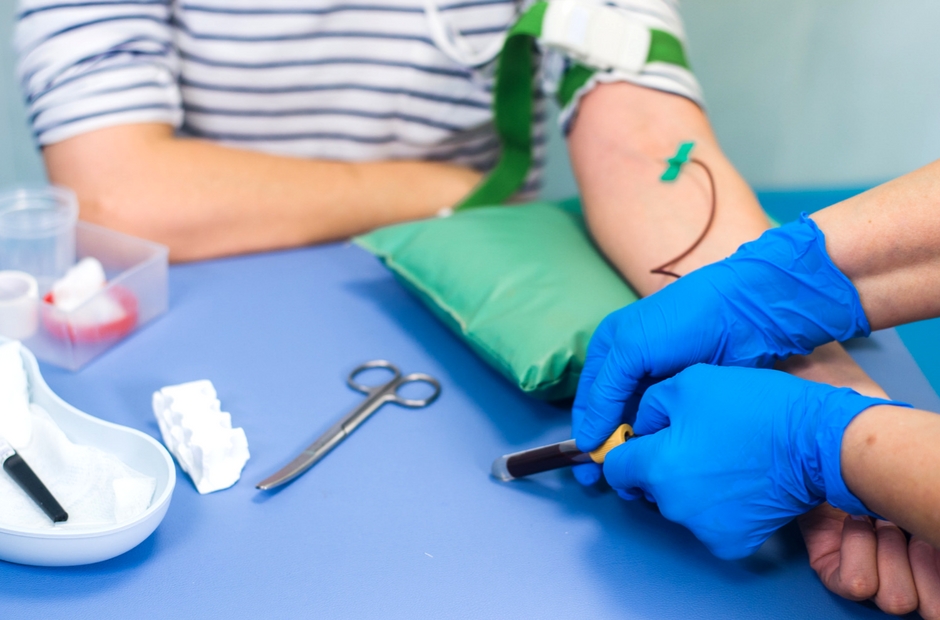
Phlebotomy, derived from the Greek words “phlebo” (vein) and “tomy” (cutting), involves safely collecting blood samples from patients.These blood specimens are critical for diagnostic testing, treatment planning, and medical research. As a phlebotomist, your responsibilities include preparing patients, performing blood draws, ensuring sample integrity, and maintaining safety protocols.
The Importance of Proper Phlebotomy Training & Certification
Quality training and certification are essential in the field of phlebotomy for multiple reasons:
- Ensures patient safety: Proper technique minimizes discomfort and risks like hematoma or infections.
- increases employment opportunities: Certified phlebotomists are preferred by healthcare employers.
- Maintains industry standards: Certification sets a recognized standard for competence and professionalism.
- Compliance with legal requirements: Some states and healthcare facilities require certification to practice.
Steps to Become a Certified Phlebotomist
Embarking on your journey to become a certified phlebotomist involves several essential steps. Here is a structured pathway to guide you through the process:
1. Meet Basic Prerequisites
- Minimum age of 18 years
- High school diploma or equivalent
- Clear background check (if required)
2. Enroll in a Recognized Phlebotomy Training Program
select an accredited program that offers comprehensive coursework combining theory and practical skills. These programs typically include:
- Anatomy and physiology
- Blood collection techniques
- Safety protocols and infection control
- Patient communication skills
3. Complete Hands-on Training and Clinical Practice
This phase involves supervised practice in real-world settings. Gaining practical experience ensures you are confident in performing blood draws accurately and safely.
4. Pass a Certification Exam
Most aspiring phlebotomists take certification exams administered by recognized organizations like the:
- American Society for Clinical Pathology (ASCP)
- National Healthcareer Association (NHA)
- American Medical Technologists (AMT)
Exam content typically covers specimen collection, safety policies, and legal considerations.
5. Obtain State Certification (if applicable)
Check your state’s requirements for phlebotomy certification or licensure. Some states have specific testing or additional requirements.
6. Maintain Certification
continuing education and periodic renewal are necessary to stay certified and keep up with industry developments.
Popular Phlebotomy Certification Organizations
| Organization | Certification Name | Requirements |
|---|---|---|
| American Society for Clinical Pathology (ASCP) | Certified Phlebotomy Technician (CPT) | Documented training & clinical experience |
| National Healthcareer Association (NHA) | Certified Phlebotomy Technician (CPT) | Passed exam & completed training |
| american Medical Technologists (AMT) | Registered Phlebotomy Technician (RPT) | Training & passing exam |
Benefits of Becoming a Certified Phlebotomist
- Job Stability and Growth: Demand for phlebotomists is projected to grow faster then average.
- Career Advancement: Certifications can lead to roles like lead phlebotomist or supervisor.
- Flexibility: Opportunities to work in hospitals, clinics, labs, blood banks, and mobile units.
- Personal Fulfillment: Contributing directly to patient care and medical research.
Practical Tips for Aspiring Phlebotomists
- Choose an accredited training program: Quality education is vital for success.
- Practice regularly: Hands-on experience improves technique and confidence.
- Develop good bedside manner: Patient communication is key for positive experiences.
- Stay informed: Keep up with industry updates and new safety protocols.
- Prepare thoroughly for exams: Use study guides and take practice tests.
Case Studies and Real-Life Experiences
Success Story: John’s Journey to certification
John, a recent high school graduate, enrolled in an accredited phlebotomy program after learning about the profession’s demand. After completing a comprehensive course and clinical practice,he passed the NHA certification exam on his first attempt. Today, John works in a busy hospital lab and plans to pursue further certification in medical laboratory sciences.His story highlights the importance of quality training and dedication in achieving success in phlebotomy.
Tips from Practicing Phlebotomists
- “always prioritize patient comfort and safety.”
- “Practice your skills constantly — confidence comes with repetition.”
- “Stay organized and attentive to detail to avoid common errors.”
Conclusion
Embarking on a career in phlebotomy is a rewarding choice for those interested in healthcare and patient interaction. By obtaining proper training, achieving certification, and maintaining your credentials, you set yourself on a clear path to professional success. Remember, continuous learning, practical experience, and a compassionate approach are key to standing out in this vital healthcare role. Start your journey today and complete your path to success in phlebotomy!