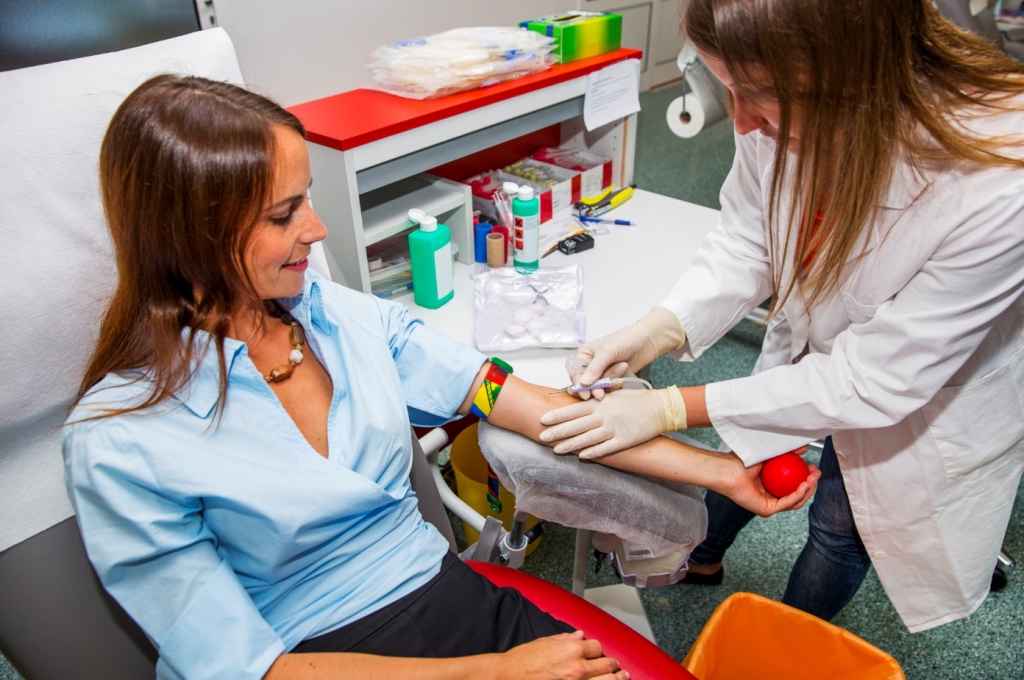
Who Draws Blood? Discover the Role of Phlebotomists and Their Essential Skills
Have you ever wondered who draws your blood during a medical check-up? Blood collection is a crucial task in healthcare, performed by trained professionals known as phlebotomists. These specialists play a vital role in ensuring that tests are done accurately and safely. In this article, we will explore the essential skills, responsibilities, and significance of phlebotomists in the medical field.
The Role of Phlebotomists
Phlebotomists are healthcare professionals responsible for taking blood samples from patients. Their work is crucial because accurate blood samples are necessary for a wide range of diagnostic tests, blood donations, and medical treatments. Here are some key responsibilities of phlebotomists:
- Performing venipunctures and capillary punctures
- Collecting blood samples for laboratory analysis
- Ensuring patient comfort and managing anxiety during the procedure
- Labeling and transporting specimens to the lab
- Maintaining sterile techniques to prevent infection
Essential Skills for Phlebotomists
To excel in their roles, phlebotomists must possess a blend of technical and interpersonal skills. Here are some of the essential skills and qualities that define a successful phlebotomist:
1. Technical Proficiency
- Knowledge of blood collection techniques
- Familiarity with medical instruments and equipment
- Understanding of safety protocols and infection control
2. Attention to Detail
Phlebotomists must be meticulous in their work. They need to ensure that samples are taken correctly and labeled accurately to avoid any mix-ups.
3. Communication Skills
Being a phlebotomist requires effective communication skills, as they need to explain the procedure to patients and address any concerns or questions they might have.
4. Compassion and Empathy
Many patients experience anxiety about blood draws. A good phlebotomist should understand this and be able to provide reassurance and emotional support.
5. Time Management
In a busy healthcare setting, phlebotomists often work with tight schedules. Being efficient while maintaining quality is essential.
Education and Certification Requirements
Phlebotomists typically complete a specialized training program that encompasses both classroom education and practical experience. Here is a brief outline of the educational path:
| Step | Details |
|---|---|
| 1. High School Diploma | Completion of secondary education is fundamental. |
| 2. Phlebotomy Training Program | Completion of a phlebotomy training course at a community college or technical school. |
| 3. Certification | Obtaining certification through organizations like the National Phlebotomy Association (NPA) or the American Society for Clinical Pathology (ASCP). |
The Benefits of Having Skilled Phlebotomists
Having trained phlebotomists is critical to healthcare systems for several reasons:
- Improved Patient Experience: Skilled phlebotomists can reduce anxiety and discomfort, making the process more pleasant.
- Accurate Test Results: Properly collected blood samples lead to accurate lab results, which are essential for diagnosis and treatment.
- Infection Control: Trained professionals adhere to strict hygiene protocols to minimize the risk of infection.
Practical Tips for Patients Facing Blood Draws
For those who may feel apprehensive about getting blood drawn, here are some practical tips:
- Stay Hydrated: Drink plenty of water before your appointment to make veins easier to find.
- Relax: Try deep breathing exercises to calm your nerves.
- Communicate: Let your phlebotomist know if you have had difficult experiences in the past or if you feel anxious.
Case Study: The Impact of Skilled Phlebotomists
There are numerous examples of how skilled phlebotomists improve patient care. For instance, a study conducted in a clinical setting showed that patients who interacted with empathetic phlebotomists reported lower levels of anxiety and discomfort. This resulted in fewer complications and quicker recovery times following diagnostic procedures.
Real-Life Experience: What It’s Like to Be a Phlebotomist
To give you a firsthand perspective, meet Sarah, a phlebotomist with over five years of experience. She shared her insights on her daily work:
“Every day is different! Some days, I encounter patients who are scared, while others are calm. My goal is always to make them comfortable while ensuring I collect a quality sample. The best part is knowing that I play a crucial role in their health journey.” – Sarah, Certified Phlebotomist
Conclusion
The role of phlebotomists is indispensable in the healthcare system, serving not only as blood collection experts but also as essential members of the patient care team. Their skills in technical proficiency, empathy, and communication help ensure that patients receive the best possible care. Understanding their role can enhance the patient experience and improve overall health outcomes. If you need to get blood drawn next time, remember the important work of phlebotomists that ensures your tests are accurate and your experience is as comfortable as possible!