Unlock Your Future: Essential Guide to Phlebotomy Tech Training for Aspiring Healthcare Professionals
Welcome to your roadmap for success in the dynamic field of phlebotomy! This essential guide will unravel the world of phlebotomy tech training, equipping aspiring healthcare professionals with the knowledge they need to embark on this rewarding career. Whether you want to work in hospitals, clinics, or laboratories, understanding the ins-and-outs of phlebotomy is crucial.
What is Phlebotomy?
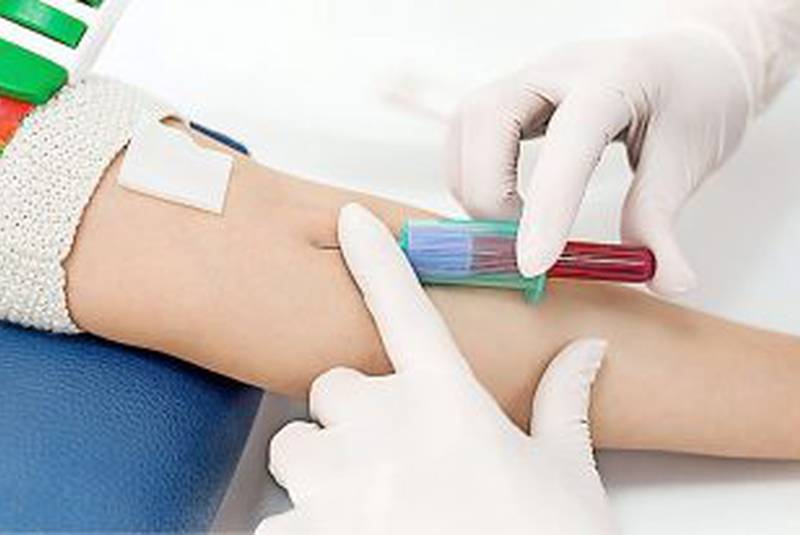
Phlebotomy is the practice of drawing blood from patients for various purposes, including diagnosis, research, and transfusions. Phlebotomists play a vital role in healthcare, ensuring that samples are collected safely and efficiently. With demand for trained professionals on the rise, pursuing a phlebotomy tech training program can pave the way to a fulfilling career.
Importance of Phlebotomy Tech Training
As a critical aspect of healthcare, having proper training in phlebotomy is essential. Understanding the technical skills, patient interaction, and safety practices will not only enhance your employability but also improve patient outcomes.
Key Benefits of Phlebotomy Tech Training
- High Demand: Phlebotomists are in demand in various healthcare settings.
- Job Stability: With consistent need for blood collection, job security is high.
- Flexible Opportunities: Work in hospitals, clinics, blood donation centers, or laboratories.
- Short Training Period: Many programs can be completed in less than a year.
Essential Components of a Phlebotomy Tech Training Program
When choosing a phlebotomy training program, consider the following essential components:
Curriculum Overview
| Course Component | Description |
|---|---|
| Introduction to Phlebotomy | Basics of blood collection and the role of phlebotomists. |
| Infection Control | Protocols for maintaining hygiene and preventing infection. |
| Patient Interaction | Techniques for effective communication with patients. |
| Hands-On Training | Supervised practice in blood collection techniques. |
| Safety Procedures | Understanding proper handling of blood samples. |
Finding the Right Training Program
To embark on a successful phlebotomy career, it’s essential to select a training program that meets industry standards. Here are some tips for finding the right school:
- Accreditation: Ensure the program is accredited by a recognized organization.
- Curriculum: Review the curriculum to confirm it covers essential skills.
- Clinical Experience: Check for hands-on training opportunities.
- Placement Assistance: Look for programs that offer career services and job placement assistance.
Case Studies: Success Stories of Phlebotomy Graduates
Maria’s Journey
Maria enrolled in a phlebotomy training program after being inspired by her healthcare worker mother. With hands-on training and support from her instructors, she secured a position at a local hospital within weeks of graduation. Maria emphasizes the importance of believing in oneself and utilizing school resources for maximum success.
James’s Transformation
James was a recent high school graduate unsure of his career path. After taking a phlebotomy course, he found his passion for healthcare. Having landed a role in a busy clinic, he now enjoys a fulfilling career thanks to the training that prepared him for real-world challenges.
Practical Tips for Aspiring Phlebotomy Technicians
As you embark on your phlebotomy training journey, here are some practical tips to guide you:
- Stay Organized: Keep track of assignments and practice schedules.
- Network: Connect with industry professionals and classmates for support.
- Focus on Communication: Develop strong interpersonal skills to interact with patients effectively.
- Practice Regularly: Take every opportunity to practice blood draws under supervision.
Certification: The Key to Advancement
Upon completing your training program, obtaining certification is essential. Certification not only validates your skills but can also enhance job prospects. Here are some widely recognized certifying organizations:
| Certification Organization | Details |
|---|---|
| American Society of Phlebotomy Technicians (ASPT) | Offers the National Certified Phlebotomy Technician (NCPT) exam. |
| National Phlebotomy Association (NPA) | Provides certification for aspiring phlebotomists through exams. |
| American Medical Technologists (AMT) | Certifies Phlebotomy Technicians (RPT). |
Conclusion
Pursuing a career as a phlebotomy technician can unlock numerous opportunities in the healthcare field. By investing in quality training, gaining hands-on experience, and obtaining certification, you are setting the foundation for a rewarding journey. With determination and the right guidance, you will be well-equipped to make a difference in patients’ lives through your vital work. Embrace the challenge and unlock your future in phlebotomy!