**Title: Phlebotomist Job Description: Essential Skills & Resume Tips**
**Introduction:**
Phlebotomists play a crucial role in the healthcare industry by drawing blood samples from patients for medical testing, transfusions, donations, and research purposes. They are responsible for ensuring the samples are collected safely, accurately, and efficiently. In this article, we will discuss the essential skills required for a phlebotomist job, along with resume tips to help you stand out in the competitive job market.
**Key Skills for Phlebotomists:**
1. **Knowledge of Anatomy and Physiology:** Phlebotomists must have a solid understanding of the human body, specifically the circulatory system, veins, and arteries. This knowledge is essential for locating suitable blood vessels for blood collection.
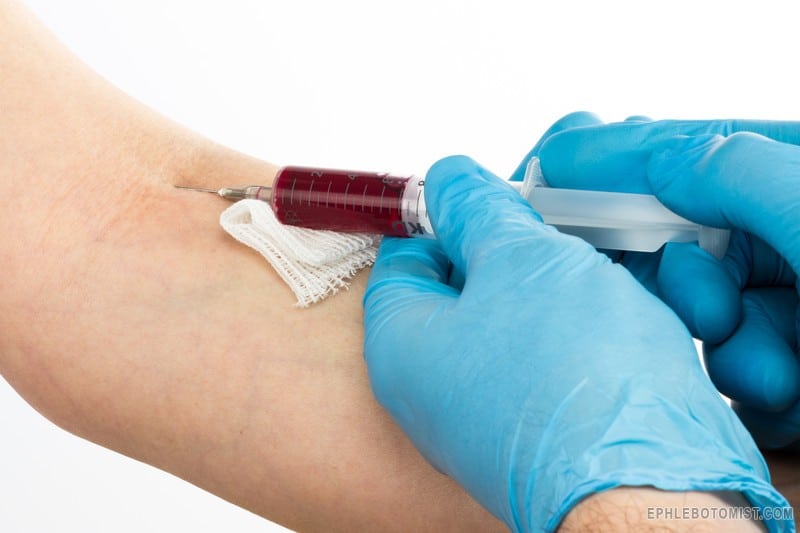
2. **Phlebotomy Techniques:** A phlebotomist should be proficient in venipuncture (drawing blood from veins) and capillary puncture (drawing blood from fingertips). They should also be skilled in using various blood collection methods, such as vacuum tubes, butterfly needles, and syringes.
3. **Infection Control:** Phlebotomists must follow strict protocols to prevent the spread of infections. This includes maintaining a sterile work environment, using personal protective equipment, and disposing of used needles and supplies properly.
4. **Communication Skills:** Phlebotomists interact with patients on a daily basis, so good communication skills are essential. They should be able to explain procedures clearly, address patient concerns, and provide emotional support when needed.
5. **Attention to Detail:** Accuracy is crucial in phlebotomy to ensure the right samples are collected from the right patients. Phlebotomists must pay close attention to details, double-checking patient information, labels, and test orders.
6. **Customer Service:** Phlebotomists should have a friendly and compassionate demeanor to make patients feel comfortable during blood collection. Building rapport with patients can help alleviate their anxiety and ensure a smooth experience.
**Resume Tips for Phlebotomists:**
1. **Include Relevant Certifications:** List any phlebotomy certifications you have obtained, such as Certified Phlebotomy Technician (CPT) or Certified Venipuncture Technician (CVT). These credentials demonstrate your expertise and commitment to the profession.
2. **Highlight Experience:** Showcase any previous experience in phlebotomy or related healthcare roles on your resume. Include details about the number of blood draws performed, types of procedures used, and familiarity with different blood collection equipment.
3. **Emphasize Skills:** Tailor your resume to highlight the key skills mentioned above, such as knowledge of anatomy, phlebotomy techniques, infection control, communication, attention to detail, and customer service. Provide specific examples of how you have demonstrated these skills in previous roles.
4. **Education and Training:** Include details about your phlebotomy training program, relevant coursework, and any additional certifications or licensures. This information helps recruiters evaluate your qualifications and expertise in the field.
5. **Professional Development:** Demonstrate your commitment to continuous learning and professional growth by mentioning any workshops, seminars, or conferences you have attended to expand your phlebotomy knowledge and skills.
**Conclusion:**
Becoming a successful phlebotomist requires a combination of essential skills, hands-on experience, and a well-crafted resume. By honing your knowledge of anatomy, mastering phlebotomy techniques, prioritizing infection control, enhancing communication skills, paying attention to detail, and delivering excellent customer service, you can excel in this rewarding healthcare career. Use the resume tips provided to showcase your qualifications effectively and land the phlebotomist job of your dreams. Good luck!
By incorporating these key skills and resume tips into your job search strategy, you can increase your chances of securing a phlebotomist position and thriving in your healthcare career. Best of luck!