**Meta Title:** The Ultimate Guide to Becoming a Successful Phlebotomist: Tips, Training, and Career Paths
**Meta Description:** Are you interested in pursuing a career as a phlebotomist? Read on to discover valuable tips, training requirements, and various career paths available in this field.
—
### Introduction
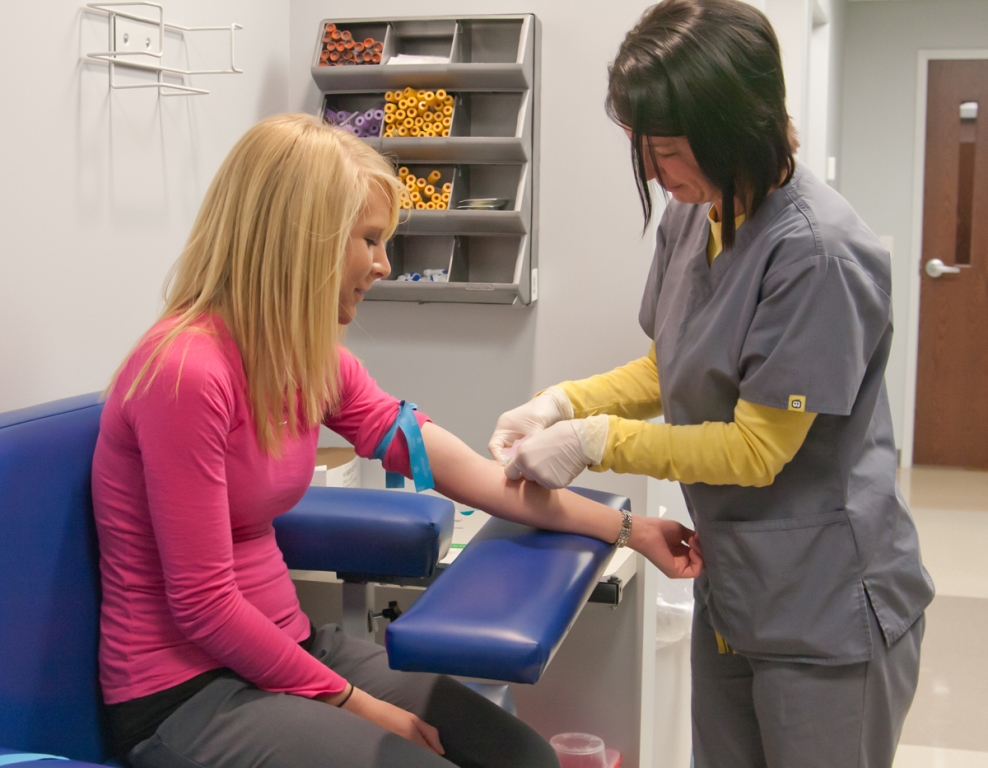
If you have a passion for healthcare and enjoy working with patients, becoming a phlebotomist could be the perfect career path for you. Phlebotomists are medical professionals trained to draw blood from patients for various purposes, such as testing, transfusions, or donations. In this comprehensive guide, we will explore the steps you need to take to become a successful phlebotomist, including training requirements, career paths, and tips for success in this rewarding field.
### Training Requirements
To kickstart your career as a phlebotomist, you will need to complete a phlebotomy training program. These programs are typically offered by vocational schools, community colleges, or healthcare facilities and can range from a few weeks to several months in length. During your training, you will learn essential skills such as venipuncture techniques, blood collection procedures, safety protocols, and infection control measures.
Upon completing your training, you may also need to obtain certification from a recognized organization, such as the American Society of Clinical Pathology (ASCP) or the National Healthcareer Association (NHA). Certification can help you stand out in a competitive job market and demonstrate your proficiency as a phlebotomist.
### Career Paths
As a certified phlebotomist, you will have a variety of career paths to choose from. Some common settings where phlebotomists work include hospitals, clinics, blood banks, and laboratories. Here are some potential career paths for phlebotomists:
1. **Hospital Phlebotomist**: In this role, you will work in a hospital setting, collecting blood samples from patients for diagnostic tests and procedures.
2. **Clinical Phlebotomist**: Clinical phlebotomists typically work in outpatient clinics or healthcare facilities, assisting with blood collection and processing.
3. **Mobile Phlebotomist**: Mobile phlebotomists travel to patients’ homes or other locations to collect blood samples for testing.
4. **Donor Phlebotomist**: Donor phlebotomists work in blood banks or donation centers, collecting blood from donors for transfusions or research purposes.
### Benefits and Practical Tips
Becoming a phlebotomist can be a rewarding and fulfilling career choice. Some benefits of working in this field include:
– **Job Stability**: The demand for phlebotomists is expected to grow in the coming years, providing excellent job security.
– **Flexible Schedule**: Many phlebotomists have the option to work part-time or on a flexible schedule, making it an ideal choice for those seeking work-life balance.
– **Opportunities for Advancement**: With experience and additional training, phlebotomists can advance to roles such as phlebotomy supervisor or lab manager.
To succeed as a phlebotomist, consider the following practical tips:
– **Develop Strong Communication Skills**: Building rapport with patients is essential in phlebotomy, so honing your communication skills is key.
– **Stay Organized**: Keeping accurate records and maintaining a clean work environment are crucial in phlebotomy to ensure patient safety.
– **Practice Continual Learning**: Stay updated on the latest trends and technologies in phlebotomy by attending workshops, seminars, and continuing education courses.
### Conclusion
pursuing a career as a phlebotomist can lead to a fulfilling and rewarding profession in the healthcare industry. By completing the necessary training, obtaining certification, and exploring various career paths, you can set yourself up for success in this field. Remember to stay committed to continuing education and professional development to stay ahead in this dynamic and ever-evolving field. Embrace the challenges and rewards that come with being a phlebotomist, and you will make a positive impact on the lives of patients every day.
Whether you choose to work in a hospital, clinic, blood bank, or as a mobile phlebotomist, your skills and expertise as a phlebotomist are valued and essential in the healthcare system. Start your journey to becoming a successful phlebotomist today by taking the first step towards your phlebotomy training and certification. Your future patients will thank you for it.