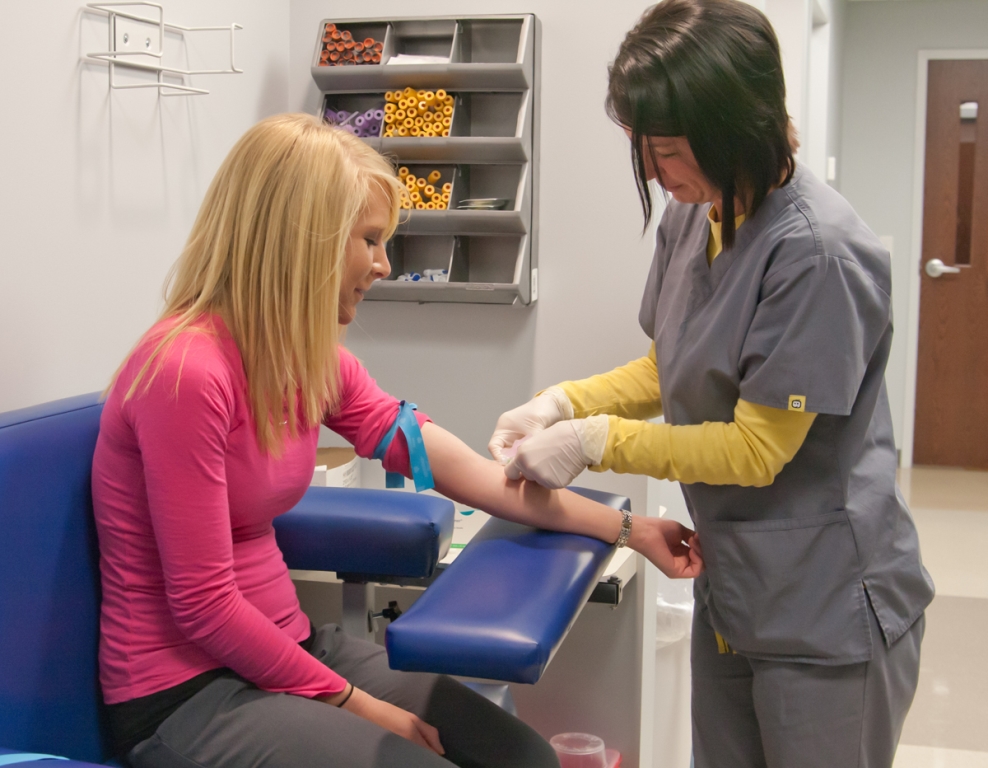
Master the Art of Phlebotomy: Essential Training Tips for Aspiring blood Collection Experts
Embarking on a career in phlebotomy is both a rewarding adn vital pursuit in the healthcare industry. As an aspiring blood collection specialist, mastering the art of phlebotomy requires proper training, skill development, and a keen understanding of patient care. Whether you are just starting or looking to enhance your expertise,this complete guide provides valuable tips and practical insights to help you excel in the field of blood collection.
Understanding Phlebotomy: The Foundation of Blood Collection
Phlebotomy involves drawing blood samples from patients for diagnostic testing, transfusions, or research. It is indeed a skill that demands precision, compassion, and technical proficiency. Proper training ensures that you can perform blood draws safely, efficiently, and with minimal discomfort for patients.
Why Proper Phlebotomy Training Matters
Effective training enhances your ability to:
- Ensure accurate test results by proper sample collection
- Maintain patient safety and comfort
- Reduce errors and avoid contamination
- Build confidence in your skills and professionalism
Essential Training Tips for Aspiring Phlebotomists
1. Understand the Anatomy and Physiology of the Venous system
A solid understanding of the venous system is crucial for successful blood draws. Study the anatomy of veins, particularly the antecubital fossa, hand veins, and other common puncture sites. Knowledge of common variations and potential challenges will prepare you to handle different patient scenarios.
2. Master Proper Technique and Equipment Use
Using the correct technique minimizes discomfort and prevents complications. Focus on:
- Patient identification: Always verify patient identity before procedure
- Site selection: Choose the most suitable and accessible vein
- Needle handling: Use appropriate gauge needles and position them correctly
- Tourniquet application: Apply snugly but not too tight to facilitate blood flow
- Stimulating blood flow: Release tourniquet promptly after blood flows
3. Prioritize Patient Comfort and Safety
Building rapport with patients enhances cooperation and reduces anxiety.Always communicate clearly, explain each step, and be gentle during the procedure. Follow infection control protocols diligently to prevent cross-contamination.
4. practice Proper Sample Handling and Labeling
Accurate labeling and sample handling are essential to ensure test reliability. Double-check patient information, use barcode labels when possible, and store samples appropriately to prevent hemolysis or contamination.
5. Stay Certified and Keep Learning
Complete a recognized phlebotomy certification program and pursue ongoing education. Staying updated with the latest techniques and standards ensures you remain competent and confident in your skills.
Practical Tips for Successful Blood Collection
- Choose the right vein: Typically the median cubital vein, but be adaptable
- aim for quick, smooth insertions: Reduce patient discomfort and increase efficiency
- Control bleeding: Apply pressure after removing the needle and ensure proper bandaging
- Handle specimens with care: Avoid hemolysis and degradation by gentle handling
- Learn to troubleshoot: Be prepared for collapsed veins, roll veins, or patient anxiety
Case Study: Success in Blood Collection
| scenario | Challenge | solution | outcome |
|---|---|---|---|
| Patient with fragile veins | Difficulty obtaining a blood sample | Used smaller gauge needle, applied warming pack to increase blood flow | Successful draw with minimal discomfort |
| Anxious patient | Uncooperative during procedure | Provided calming explanations and offered a distraction | Relaxed patient, completed blood collection smoothly |
| Blood sample contaminated | Incorrect labeling | Implemented double-check system and barcode labels | Reduced errors and improved sample traceability |
First-Hand Experience: What It’s Really Like
Gaining practical experience through supervised training and internships is invaluable. first-hand encounters help build your confidence and refine your technique. remember, practice makes perfect—each successful blood draw adds to your competence and professionalism.
Conclusion
Mastering the art of phlebotomy is a journey that combines technical skills, patient care, and continuous learning. As aspiring blood collection experts, adhering to proven training tips, understanding patient needs, and practicing diligently will set you on a path to success. With dedication and proper education, you can become a trusted healthcare professional capable of performing blood draws with precision, compassion, and confidence.Embrace the challenge—your skill can make a significant difference in patient outcomes and healthcare delivery.