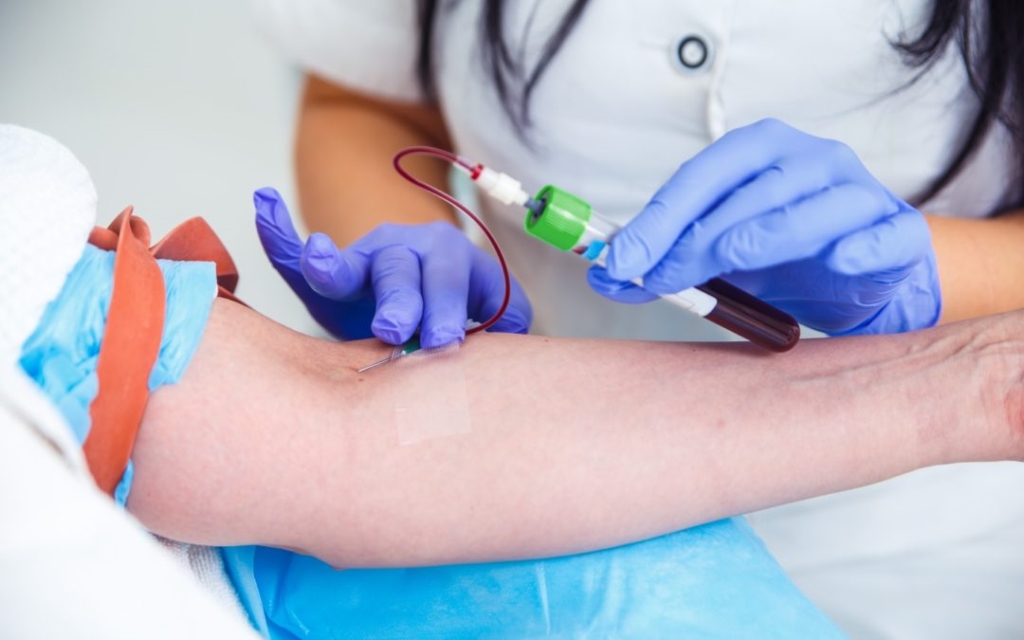
Master the Art of Phlebotomy: Essential Tips to Excel at Drawing Blood
Phlebotomy, the skillful act of drawing blood from patients, is a foundational procedure in healthcare settings. Whether you’re an aspiring phlebotomist or a seasoned healthcare professional looking to refine your skills,mastering the art of blood collection is essential for accurate diagnostics,patient safety,and your professional confidence. In this extensive guide, we will explore proven tips, best practices, and practical insights to help you excel at phlebotomy and make a positive difference in patient care.
Understanding the Importance of Proper Phlebotomy techniques
Effective phlebotomy is more than just needle insertion; it requires precision, professionalism, and a patient-centered approach. Correct blood collection techniques minimize complications such as hematomas,hemolysis,or infection,ensuring high-quality lab samples. Plus, mastering these skills fosters trust and comfort among patients, improving their overall healthcare experience.
Essential Skills and Knowledge for Aspiring Phlebotomists
Key Competencies to Develop
- Patient Identification: Always verify patient identity with two identifiers to prevent errors.
- Anatomical Knowledge: Understand venous anatomy,common puncture sites,and variations.
- Instrument Handling: Master the correct use of needles, tourniquets, and collection tubes.
- Infection Control: Follow strict sterilization and hygiene protocols.
- Dialog Skills: Comfort patients, explain procedures clearly, and address concerns empathetically.
Practical Tips for Mastering Blood Collection Techniques
preparation Before the procedure
- Gather all necessary supplies: gloves, alcohol swabs, tourniquets, needles, collection tubes, and gauze.
- Confirm patient details and explain the process to ease anxiety.
- Wash hands thoroughly and wear appropriate personal protective equipment (PPE).
Step-by-Step Blood Draw Procedure
- Locate a suitable vein: Usually the median cubital vein is preferred.
- Apply the tourniquet: Tighten just enough to engorge the vein but avoid discomfort.
- Disinfect the site: Clean with alcohol swab in a circular motion and let it dry.
- Insert the needle: At a 15-30 degree angle, with the bevel facing up.
- Collect blood: Fill the tubes in the correct order if using multiple tubes.
- Withdraw the needle: Release the tourniquet before removing the needle.
- Apply pressure: Use gauze to stop bleeding and ask the patient to apply pressure.
- Label the samples: Accurately and immediatly after collection.
Common Challenges in Phlebotomy and How to overcome Them
| Challenge | Solution |
|---|---|
| Patient Anxious or Fearful | Communicate calmly, explain the process, and ensure patient comfort. |
| Finding a Vein | Use palpation techniques, palpate both arms if necessary, and consider patient hydration. |
| Difficulty with Small or Collapsed Veins | Try alternative sites, use warming techniques, or consider a specialist referral. |
| Blood Contamination or Hemolysis | ensure proper technique, use appropriate tubes, and avoid excessive pumping. |
Benefits of Mastering Phlebotomy
- Accurate Diagnostics: Reliable blood samples lead to correct diagnoses.
- Patient Satisfaction: Gentle and professional care enhances trust.
- Increased confidence: Skilled practitioners feel more competent and less anxious.
- Career advancement: Expertise opens doors to diverse healthcare roles.
Practical Tips to Improve Your Phlebotomy Skills
- practice regularly under supervision to build confidence.
- Keep updated with the latest protocols and standards.
- Engage in training workshops and certification courses.
- Review case studies to learn from real-life experiences.
- Maintain a patient-centric approach—remember, comfort and care matter.
First-Hand Experience: Lessons Learned in Phlebotomy
Many seasoned phlebotomists will tell you that patience, perseverance, and a gentle touch make all the difference. During initial training, I encountered a patient with arduous veins; instead of forcing the needle, I took a moment to palpate, warmed the site, and remained calm.The successful blood draw boosted my confidence and taught me the importance of adaptability and compassion in this profession.
Case Study: improving Blood Draw Success Rates in a Community Clinic
In a community clinic serving diverse populations, phlebotomy success rates initially hovered around 75%. By introducing targeted training, focusing on vein palpation, patient communication, and equipment optimization, the clinic increased success rates to over 95% within three months. Key strategies included:
- Enhanced staff training modules
- Use of tourniquet timers to prevent over-tightening
- Patient hydration awareness campaigns
| Strategy | Outcome |
|---|---|
| Staff workshops on vein visualization | Higher success in initial attempts |
| Patient hydration encouragement | Reduced collapsed veins |
| Feedback collection from staff & patients | Continuous advancement |
Conclusion
Mastering the art of phlebotomy is a blend of technical skill, knowledge, patience, and empathy. By adhering to proper techniques, continually practicing, and focusing on patient comfort, you can substantially improve your blood collection success rates. Remember, every successful blood draw not only contributes to accurate patient diagnosis but also reinforces trust in healthcare professionals. Embrace ongoing education and practical experience to elevate your phlebotomy skills and make a meaningful impact in healthcare settings. With dedication and the right approach,you can excel at drawing blood and become a trusted,confident practitioner in the field of phlebotomy.