How to Become a licensed Phlebotomy Technician: Your Guide to Certification, Careers, adn Opportunities
Embarking on a career as a phlebotomy technician can be a rewarding path for those interested in healthcare and patient care.Weather you’re just starting out or looking to enhance your credentials, understanding the steps to become a licensed phlebotomy technician is crucial. This comprehensive guide will walk you thru certification requirements, career opportunities, practical tips, and more, helping you turn your aspiration into a successful career.
Introduction
in today’s healthcare landscape, blood collection specialists—commonly known as phlebotomy technicians—play an essential role in diagnosing and monitoring patients’ health.Their expertise in drawing blood samples accurately and safely makes them vital members of medical laboratories, hospitals, clinics, and diagnostic centers.
If you’re passionate about healthcare, enjoy working with people, and have an eye for detail, becoming a licensed phlebotomy technician could be the ideal career choice. Let’s explore what it takes to enter this dynamic field.
What Is a Phlebotomy Technician?
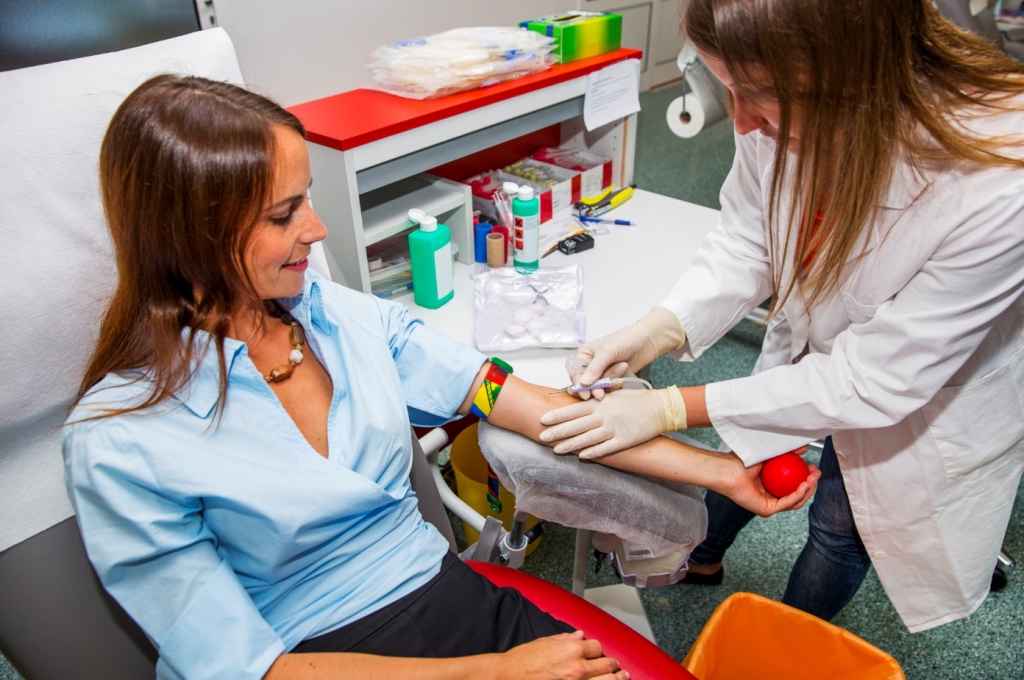
A phlebotomy technician is a healthcare professional trained to draw blood from patients for laboratory testing, blood donations, transfusions, or research. Thay are responsible for ensuring blood samples are collected in a safe, sterile, and patient-friendly manner.
Key responsibilities include:
- Preparing patients and explaining procedures
- Selecting appropriate collection sites
- Using sterile equipment and following safety protocols
- labeling and handling blood samples accurately
- Maintaining equipment and patient records
Steps to Become a Licensed Phlebotomy Technician
1. Meet Basic Eligibility Requirements
Before starting your journey, ensure you meet the foundational qualifications, such as:
- Being at least 18 years old
- Having a high school diploma or GED
- Passing a background check and drug screening (varies by state)
- Possibly, having immunizations (e.g., hepatitis B) as required
2. Enroll in a Certified Phlebotomy Training Programme
Choose an accredited phlebotomy training program that covers essential skills in blood collection, anatomy, safety protocols, and patient interaction. These programs are offered at community colleges, technical schools, and healthcare institutions.
Typically, training programs include:
- Classroom instruction
- Hands-on practise with blood draw techniques
- Clinical externships at healthcare facilities
Ensure the program is recognized by your state’s health department or certifying agencies to bolster your chances of licensure.
3. Gain practical Experience
Many training programs incorporate supervised clinical externships, which are invaluable for gaining real-world experience. Additional internships or volunteering opportunities can also enhance your skill set and confidence.
4. Obtain Certification
Certification is a key step towards licensure and validating your professional competence.The most recognized certifying organizations include:
- American Society for Clinical Pathology (ASCP) – Certified Phlebotomy Technician (CPT)
- National Healthcareer Association (NHA) – Certified Phlebotomy Technician (CPT)
- American Medical Technologists (AMT) - Registered Phlebotomy Technician (RPT)
Most states require passing a certification exam to become a licensed phlebotomy technician. Be sure to select an organization approved by your state health department.
5. Apply for State Licensure (If Required)
Licensing requirements vary by state. Some states, such as California, Louisiana, and Nevada, mandate licensure or registration, while others do not. Check your state’s specific regulations through your state’s health department or licensing board.
Typically, the application process involves submitting proof of certification, training documentation, and passing a background check.
Certification and Licensing Requirements by State
| State | Certification Required | Licensing Needed | Additional Notes |
|---|---|---|---|
| California | Yes (Certified) | Yes | Mandatory certification and licensure |
| Texas | No | Registration | Require registration with external agency |
| Florida | Yes | yes | State licensure required |
Career Opportunities and Salary Expectations
Becoming a licensed phlebotomy technician opens doors to various healthcare settings, including:
- Hospitals and clinics
- Blood donation centers
- Laboratories and diagnostic centers
- Physician offices
- Urgent care centers
Salary Expectations
According to the U.S. Bureau of Labor Statistics (BLS), the median annual salary for phlebotomy technicians is approximately $36,000, with higher earning potential in urban areas or specialized clinics. Entry-level positions may start lower, but experience and additional certifications can lead to higher wages.
Benefits of Becoming a Licensed Phlebotomy Technician
- High demand for skilled professionals
- Opportunities for career advancement in healthcare
- Competitive salary with potential for growth
- Flexible working hours and part-time options
- Impactful role supporting patient health
Practical Tips for Aspiring Phlebotomy Technicians
- Choose accredited programs: Ensure your training meets industry standards.
- Gain hands-on experience: Prioritize programs that include clinical externships.
- Stay up-to-date: Follow new advancements and best practices in blood collection.
- Network with professionals: Join associations like the American Society for Clinical Pathology.
- Prepare for certification exams: Use practice tests and study guides.
Case Study: From Student to Certified Phlebotomy Technician
Meet Lisa
Lisa was passionate about healthcare but unsure of which direction to take. after completing a 4-month phlebotomy training program accredited by her state,she gained essential hands-on experience. Passing her certification exam, Lisa successfully applied for licensure and now works at a busy hospital, earning a competitive salary and enjoying meaningful patient interactions.
First-Hand Experience and Testimonials
“Getting certified realy boosted my confidence. The training provided practical skills that I use daily, and now I enjoy helping patients feel pleasant while drawing blood.” — Sarah, Certified Phlebotomy Technician
Conclusion
Becoming a licensed phlebotomy technician is a fulfilling pathway into healthcare that combines technical skill, patient interaction, and job stability. By following the necessary steps—meeting eligibility requirements, completing accredited training, gaining practical experience, and obtaining certification and licensure—you can embark on a rewarding career. with high demand and excellent growth prospects, now is the perfect time to consider this essential healthcare role.
Start your journey today by researching accredited training programs and certification options to become a licensed phlebotomy technician. Your dedication can make a real difference in patients’ lives and open doors to a successful healthcare career.