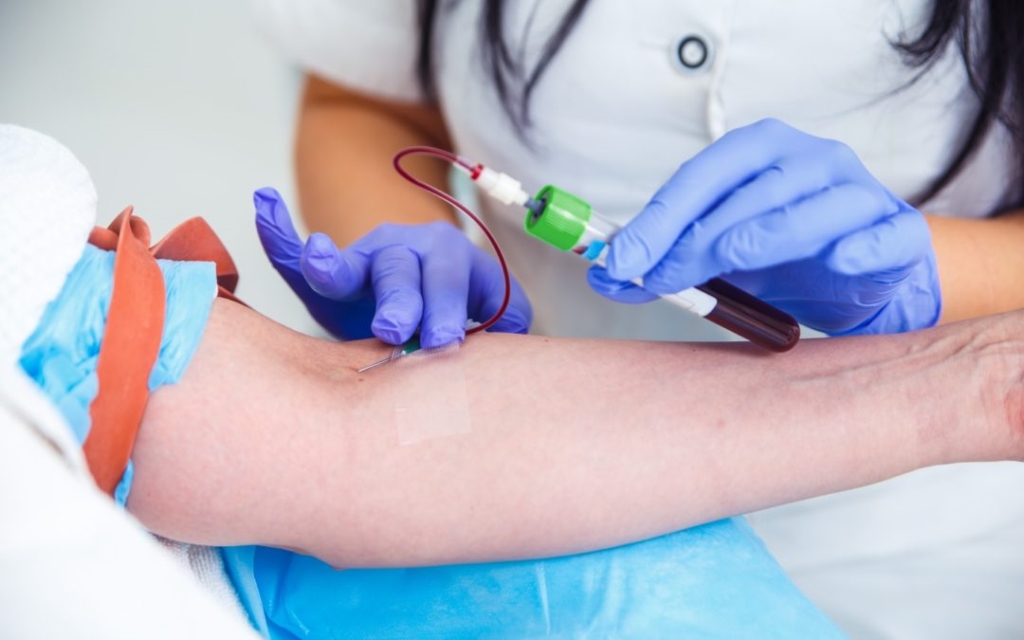
Mastering Phlebotomy Medical Terms: Your Essential Guide to Blood Collection Vocabulary
If you’re stepping into the world of healthcare, particularly in phlebotomy, mastering the essential medical terminology related to blood collection is vital. Whether you are a seasoned professional or a beginner, understanding the language used in blood draw procedures ensures clear communication, enhances patient safety, and improves overall efficiency. This comprehensive guide aims to unravel the essential blood collection vocabulary, provide practical insights, and help you become confident in your phlebotomy skills.
Introduction
Phlebotomy is a crucial aspect of healthcare that involves drawing blood for testing, donation, or research.As a healthcare professional, familiarity with the specific medical terms associated with blood collection empowers you to perform procedures accurately and communicate effectively with colleagues and patients alike. This guide explores core phlebotomy terms, workflows, equipment, and safety practices, making it your go-to resource for mastering blood collection vocabulary.
The Importance of Learning Blood Collection Vocabulary
- enhanced Communication: Clear terminology minimizes errors and patient discomfort.
- improved Safety: Understanding precautions and safety measures reduces risks of complications.
- professional Confidence: Mastery of terms boosts confidence in executing procedures.
- Career Advancement: Knowledge of medical terminology is essential for certification and ongoing education.
core Blood Collection Medical Terms
Essential Vocabulary for Phlebotomy Procedures
| Term | Definition |
|---|---|
| Venipuncture | The process of obtaining intravenous access by puncturing a vein with a needle. |
| Capillary Puncture | Blood collection from capillaries, commonly performed by fingerstick or heelstick. |
| Needle | A sterile, hollow metal instrument used to puncture the vein for blood draw. |
| Tourniquet | A device (usually elastic or fabric) used to temporarily restrict blood flow, making veins more visible. |
| Vacutainer | A closed-system blood collection device that uses vacuum tubes to draw blood. |
| Collection Tube | The tube used to hold collected blood for testing or storage. |
| antiseptic | A substance applied to skin to prevent infection during blood collection. |
| Butterfly Needle | A small, winged needle used for veins that are tough to access. |
| Evacuation Tube | Another term for vacuum tube used for blood collection. |
| Labeling | The process of attaching patient and sample facts to blood collection tubes. |
Key Equipment and Instruments
Understanding the tools involved in phlebotomy is essential for effective blood collection:
- Needles and Syringes: for venipuncture or capillary collections.
- Tourniquets: To make veins prominent.
- Vacutainer Holders: To secure collection tubes during venipuncture.
- Resealable Blood Collection Tubes: For sample storage.
- Alcohol Swabs: For skin antisepsis.
- Gloves & Safety Equipment: To maintain hygiene and safety.
Understanding Blood Collection Procedures
Step-by-Step Process
- Readiness: Gather equipment, identify the patient, and explain the procedure.
- Apply Tourniquet: place around the upper arm to locate veins.
- Select and Disinfect Vein: Choose an appropriate vein and cleanse skin.
- Insert Needle: Smoothly insert into the vein at the correct angle.
- Collect Blood: Fill collection tubes via vacuum or syringe.
- Withdraw Needle: Carefully remove the needle and apply pressure.
- Label Samples: Properly label each collection tube with patient info.
- Dispose of Equipment: Safely discard sharps and contaminated items.
Safety and Best Practices in Phlebotomy
Maintaining safety is paramount. Here are some key practices:
- use Personal Protective Equipment (PPE): Gloves, masks, and eye protection.
- Proper Disposal: Use sharps containers for needles and contaminated waste.
- Patient identification: Confirm patient identity to prevent errors.
- avoid Hemolysis: Handle blood samples gently to prevent destruction of red blood cells.
- Follow OSHA Guidelines: Adhere to safety protocols for bloodborne pathogen exposure.
Benefits of Mastering Blood Collection Vocabulary and Best Practices
Achieving proficiency in phlebotomy terms and procedures offers numerous benefits:
- Enhanced Patient Trust: Clear communication reassures patients and reduces anxiety.
- Minimized Errors: Accurate terminology helps prevent procedural mistakes.
- Career Development: Skill mastery supports certification and advanced opportunities.
- Operational Efficiency: Familiarity with equipment and procedures streamlines workflow.
Practical Tips for Aspiring Phlebotomists
- Continuous Learning: Stay updated with new terminology and techniques.
- Practice: Get hands-on experience under supervision.
- Communication Skills: Explain steps clearly to reduce patient anxiety.
- Documentation: Keep accurate records of procedures and labels.
- Maintain Hygiene: Always follow sterilization protocols.
Case Study: Accomplished Blood Draw Utilizing Correct Terminology
Patient Scenario: A new medical assistant correctly performs a venipuncture using proper terminology. By confidently describing each step—selecting a suitable vein, applying the tourniquet, disinfecting the skin, inserting the needle, and filling the collection tube—they ensure a smooth procedure.Accurate labeling and safe disposal follow, demonstrating the importance of vocabulary mastery in real-world settings.
First-Hand Experience and Lessons Learned
many aspiring phlebotomists find that hands-on experience is invaluable. during clinical rotations, mastering the terminology allows for better communication with supervising staff and improves overall confidence. Remember, each puncture is an chance to refine your skills and deepen your understanding of blood collection language, ultimately leading to safer, more effective patient care.
Conclusion
Mastering phlebotomy medical terms is an essential step toward becoming a competent blood collection professional. From understanding the equipment to executing procedures with confidence, a robust vocabulary not onyl improves accuracy and safety but also elevates your career prospects. Continual learning, practice, and adherence to safety protocols are your keys to success. By embracing the language of blood collection, you enhance your skills and contribute to better healthcare outcomes.
Start today—familiarize yourself with these vital terms, incorporate best practices, and watch your proficiency grow. Blood collection is both an art and a science, and perfecting your vocabulary makes you a more effective and trusted healthcare provider.