How to Start a Career in Phlebotomy: A Step-by-Step Guide for Beginners
Embarking on a career in phlebotomy offers a rewarding pathway into the healthcare industry. As a phlebotomist, you play a vital role in patient care by collecting blood samples for tests, diagnostics, adn research. if you’re wondering how to start a career in phlebotomy,this comprehensive guide will walk you through the essential steps,from training to certification and beyond. Whether you’re a recent graduate or considering a career change, this article provides valuable insights to help you succeed in this in-demand healthcare profession.
What Is Phlebotomy?
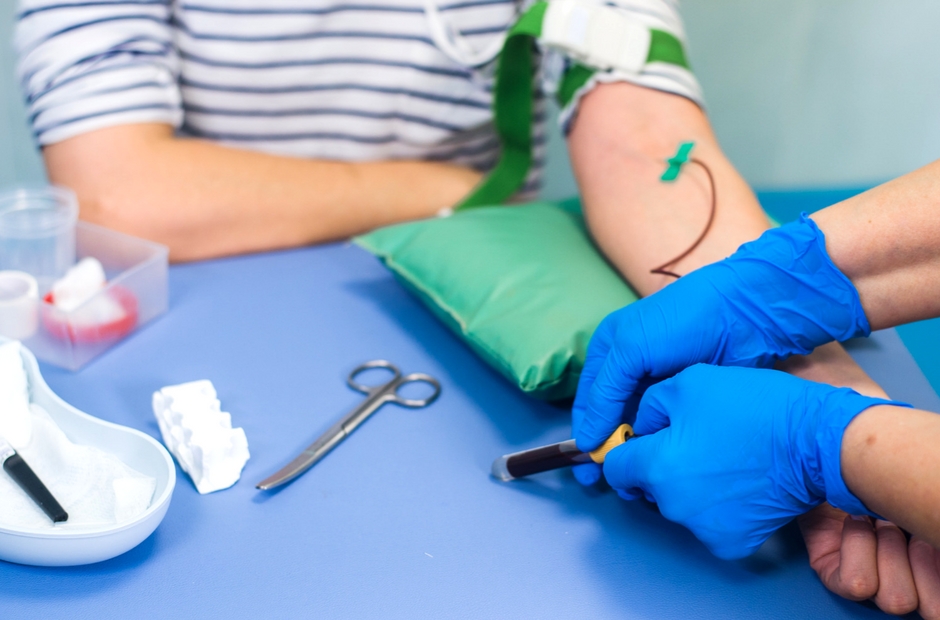
Phlebotomy involves the practice of drawing blood from patients for clinical or medical testing, blood donations, or research purposes. It requires technical skills, attention to detail, and excellent patient interaction. As a certified phlebotomist, you’ll often work in hospitals, clinics, laboratories, or blood banks. The demand for skilled phlebotomists continues to grow due to increased healthcare needs and blood donation campaigns.
Why Choose a Career in Phlebotomy?
- High employment opportunities with a rising demand
- Quick entry into the healthcare industry with minimal educational requirements
- Competitive salary potential
- Flexible work schedules and part-time options
- Chance to make a difference in patients’ lives
Step-by-Step Guide for Starting a Career in Phlebotomy
1. Understand the Role of a Phlebotomist
Before diving into training, it’s essential to understand what a phlebotomist does. The role involves:
- Drawing blood samples accurately and safely
- Ensuring patient comfort and safety
- Labeling and handling specimens properly
- Maintaining sterile techniques and equipment
- Recording patient data and test orders
This helps you confirm that this career aligns with your interests and skills in healthcare.
2. Meet the Basic Requirements
- Educational background: Typically, a high school diploma or GED is required.
- Age: Must be at least 18 years old (requirements may vary by state).
- Background check: Some training programs or employers may require criminal background checks.
- Good communication skills: Ability to interact empathetically with patients.
3. Choose an Accredited Phlebotomy Training Program
Selecting the right training program is crucial for your success. Look for programs accredited by reputable organizations such as:
- National Accrediting Agency for Clinical Laboratory Sciences (NAACLS)
- American Society for Clinical Pathology (ASCP)
- American Medical Technologists (AMT)
Training programs typically involve:
- Classroom instruction on anatomy, physiology, and safety protocols
- Hands-on practice with blood collection equipment
- Clinical externships or internship opportunities
| Training option | Duration | Cost Range | Certification Offered |
|---|---|---|---|
| Community College Course | 4-12 weeks | $500 – $3,000 | Yes |
| Online Program + Clinical Practice | Varies | $300 – $2,500 | Yes |
| Vocational School | 2-8 weeks | $1,000 – $4,000 | Yes |
4. obtain Certification
While certification is not always mandatory, it significantly boosts your job prospects. Certifications validate your skills and commitment to the profession. common certification agencies include:
- National Healthcareer Association (NHA) Certified Phlebotomy Technician (CPT)
- American Society for Clinical Pathology (ASCP) Certified Phlebotomy Technician
- American Medical Technologists (AMT) Registered Phlebotomy Technician
Certification requirements generally include:
- Completion of an accredited training program
- Passing a certification exam
- Continuing education (in certain specific cases)
5. Gain Practical experience
Hands-on experience is vital. Many training programs include supervised clinical practice, but additional experience can be gained through:
- Internships in hospitals or laboratories
- Volunteering in healthcare settings
- Entry-level technician roles
This practical experience prepares you for real-world scenarios and improves your confidence in blood collection techniques.
6. Apply for Phlebotomy Jobs
Once certified and experienced, start your job search by exploring opportunities in:
- Hospitals and clinics
- Blood donation centers
- Medical laboratories
- Home healthcare services
Create a professional resume highlighting your training, certification, and experience. Consider joining professional associations like the National Phlebotomy Association for networking and resources.
Benefits of a Career in Phlebotomy
- Quick entry into healthcare
- High demand for skilled professionals
- Potential for career advancement to roles such as supervisor or trainer
- Opportunities to work in diverse healthcare environments
- Job stability and competitive wages
Practical Tips for Aspiring Phlebotomists
- Develop strong patient communication skills
- Practice blood draw techniques regularly
- Stay updated on safety and sterilization procedures
- Join professional organizations for networking and ongoing education
- Maintain a positive attitude and empathy towards patients
Case Study: First-Hand Experience of a Successful Phlebotomist
Jane,a recent graduate from a certified phlebotomy program,secured her certification and completed an internship at a local hospital. She found her first job within two months, working in a busy outpatient clinic. Jane emphasizes the importance of hands-on practice and continuous learning,which helped her handle difficult draws and comfort anxious patients. Her dedication led to a promotion to lead phlebotomist within a year, showcasing the growth potential in this career path.
Conclusion
Starting a career in phlebotomy can be a rewarding and fulfilling journey into the healthcare field. By following the structured steps of understanding the role, completing accredited training, obtaining certification, and gaining practical experience, you set yourself up for success in this in-demand profession. Whether you’re seeking a quick entry into healthcare, flexible work options, or a pathway to advanced medical careers, phlebotomy offers a solid foundation. ready to begin your journey? Embrace the opportunities and make a positive impact on patients’ lives today!
Take the first step towards your new career in phlebotomy today! explore accredited training programs and certification options to unleash your potential in healthcare.