How Much Do Phlebotomists Earn? A Complete Guide to salary Expectations and Career Insights
If you’re considering a career as a phlebotomist or you’re already working in the healthcare field, understanding salary expectations is crucial for planning your future.Phlebotomists play a vital role in the medical industry by collecting blood samples for testing, donation, and research. But how much do they earn, and what factors influence their income? This complete guide explores everything you need to know about phlebotomist salaries, career outlook, benefits, and practical tips to maximize your earning potential.
Understanding the Role of a phlebotomist
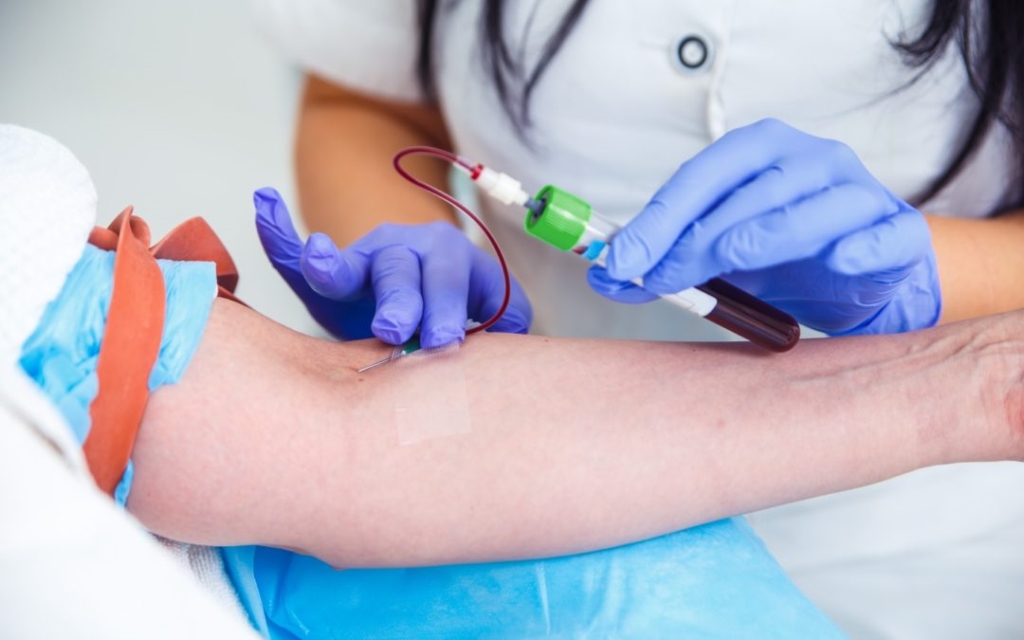
Phlebotomists are healthcare professionals trained to draw blood from patients for tests, transfusions, research, or donations. they work in hospitals, clinics, blood banks, and laboratories. Due to increasing demand for diagnostic testing and blood donations, the demand for skilled phlebotomists is steadily growing.
Average Salary of Phlebotomists
One of the most common questions is: how much do phlebotomists earn? The answer varies depending on factors like location, experience, education, and employer type. here’s a detailed look at salary expectations:
National Average salary
| Region | Average Annual Salary | Range |
|---|---|---|
| United States | $36,000 | $28,000 - $45,000 |
| Canada | C$42,000 | C$35,000 – C$50,000 |
| United Kingdom | £20,000 | £18,000 – £24,000 |
| Australia | AU$55,000 | AU$45,000 – AU$65,000 |
Breakdown by Experience Level
- Entry-Level Phlebotomists: Typically earn around $28,000 to $32,000 annually.
- Mid-Level Practitioners: With 2-5 years of experience, salaries can reach $35,000 to $42,000.
- Senior or Specialized Phlebotomists: Can earn upwards of $45,000 or more, especially with additional certifications or supervisory roles.
factors Influencing Phlebotomist Salaries
Several key factors impact how much a phlebotomist earns, including:
- Location: Urban areas and regions with a higher cost of living tend to offer higher salaries.
- education and Certification: Certified phlebotomists often command higher pay.
- Type of Employer: Hospitals, private practices, and industrial labs provide different salary ranges.
- Experience and Special Skills: Advanced training in vascular access, pediatric phlebotomy, or blood bank procedures can boost earnings.
- Work Hours: Overtime, night shifts, and weekend work often come with additional pay.
Career Insights & Advancement Opportunities
Phlebotomy is a fulfilling entry point into healthcare with room for growth. Career advancement opportunities include:
- Specialized Roles: Blood bank technician, collections supervisor, or phlebotomy instructor.
- Education Pathways: Pursuing additional healthcare certifications or a degree in medical laboratory science.
- Management Positions: Leading teams or managing laboratory operations.
Benefits and Practical Tips for Phlebotomists
Beyond salary, phlebotomists often enjoy benefits like health insurance, retirement plans, and paid time off. To enhance your career and earning potential, consider these practical tips:
- Obtain certification from accredited bodies such as the National Healthcareer Association (NHA) or American Society for Clinical Pathology (ASCP).
- Build experience in diverse settings to increase your value as a professional.
- Develop excellent patient communication and technical skills to excel in your role.
- Stay updated with the latest blood collection techniques and safety protocols.
- Pursue additional training or specialization to qualify for higher-paying jobs.
Case Study: A Day in the Life of a Phlebotomist
Meet Sarah, a certified phlebotomist working in a busy hospital outpatient lab. With two years of experience, she earns approximately $38,000 annually.Her typical day involves drawing blood from patients of all ages, maintaining strict safety standards, and documenting samples accurately. She has also completed specialized training in pediatric phlebotomy,which has opened doors to higher-paying roles and leadership opportunities.
FAQs about Phlebotomist Salaries
Q: How much do entry-level phlebotomists earn?
A: Entry-level phlebotomists typically earn between $28,000 and $32,000 per year, depending on location and employer.
Q: Is phlebotomy a good career choice for higher earnings?
A: Yes, especially if you obtain certifications, gain experience, and pursue specialization. The career offers a stable income with opportunities for growth.
Q: Which states pay phlebotomists the most?
A: States like California, new York, and Massachusetts tend to have higher average salaries due to higher living costs and demand.
Conclusion
understanding how much phlebotomists earn is essential for anyone considering this rewarding healthcare career.With a median salary around $36,000 in the U.S., and potential for higher earnings through experience and specialization, phlebotomy offers a stable and growing opportunity within the healthcare industry. By obtaining proper certification, gaining experience, and exploring advancement options, you can substantially increase your earning potential and enjoy a fulfilling career making a real difference in patients’ lives. Whether you’re just starting out or looking to boost your current salary, exploring the opportunities in phlebotomy can lead to a rewarding professional journey.