Ultimate Guide to Phlebotomy Courses for Nurses: Enhance Your Skills and Career Opportunities
In the dynamic world of healthcare, expanding your skill set as a nurse can substantially boost your career prospects and improve patient care. One of the most valuable and in-demand skills today is phlebotomy—drawing blood for diagnostic testing, transfusions, and research. Enrolling in specialized phlebotomy courses for nurses not only enhances your technical proficiency but also opens doors to diverse healthcare settings. This extensive guide will walk you thru everything you need to know about phlebotomy training, including types of courses, benefits, practical tips, and real-life case studies.
What Is Phlebotomy and Why Is It Crucial for Nurses?
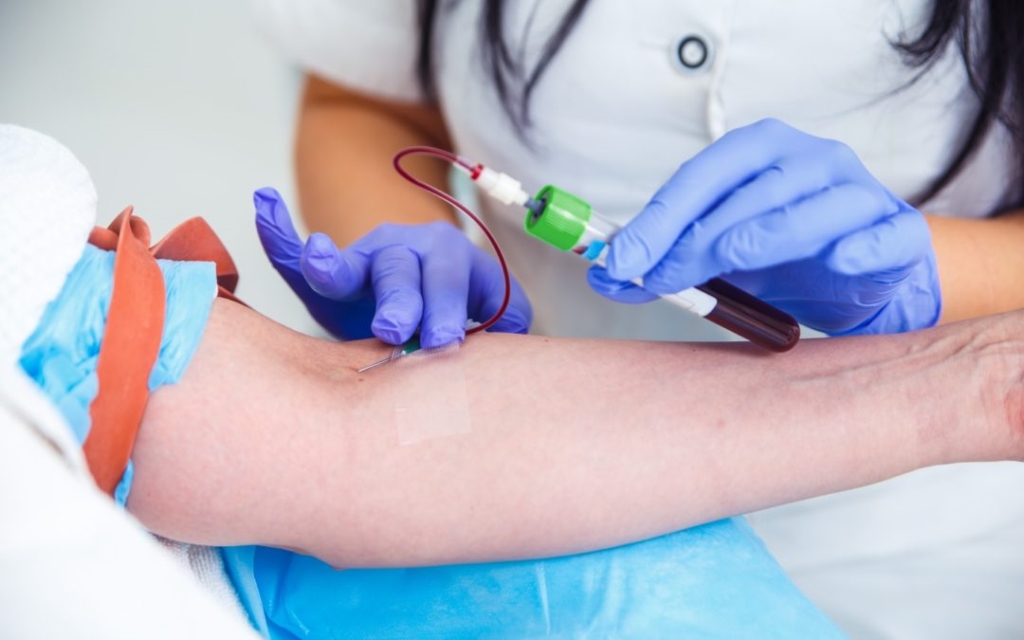
Phlebotomy involves the collection of blood samples from patients,a procedure that requires precision,proper technique,and adherence to safety protocols. For nurses, acquiring phlebotomy skills can complement their clinical expertise, allowing them to perform blood draws confidently and efficiently. Expertise in phlebotomy can lead to improved patient experience,reduced errors,and a broader scope of practice.
Types of Phlebotomy Courses for Nurses
Phlebotomy training varies based on the certification level, duration, and format. Below are the key types of courses suitable for nurses aiming to specialize or refine their blood collection skills:
1. In-Person Phlebotomy Certification Programs
These customary classroom courses involve hands-on training guided by experienced instructors. They usually include lectures, practical demonstrations, and supervised practice sessions. Ideal for nurses seeking comprehensive training with direct interaction.
2. Online Phlebotomy Certification Courses
Designed for flexibility, online courses allow nurses to learn theoretical aspects at their own pace. They often include video tutorials,virtual labs,and assessments. Though practical skills may be gained through local labs or workshops.
3. Hybrid phlebotomy Training
A mix of online learning and in-person practical sessions, hybrid courses offer the convenience of flexible study combined with essential hands-on experience.Perfect for busy nurses balancing work and study.
4. Advanced or Specialized Phlebotomy Programs
For experienced nurses, advanced certifications focus on specialized techniques such as pediatric phlebotomy, geriatric blood draws, or dealing with challenging veins. These programs help refine skills for complex cases.
Key Components of Effective Phlebotomy Courses
- Understanding patient safety and infection control
- Proper collection techniques and equipment use
- Vein selection and puncture techniques
- Labeling, handling, and transportation of specimens
- Legal and ethical considerations in blood collection
- Emergency procedures and troubleshooting common issues
Benefits of Taking Phlebotomy Courses for Nurses
Investing in phlebotomy training yields numerous professional and personal benefits:
- Expanded skill set: Enhance your clinical repertoire beyond standard nursing duties.
- Career Advancement: Open opportunities in outpatient clinics, laboratories, diagnostics, and mobile blood drives.
- Increased Employability: Stand out in a competitive healthcare job market.
- Improved Patient Care: provide faster, more accurate blood collection services, reducing patient discomfort and errors.
- additional Certification: Many programs offer recognized certifications that strengthen your professional profile.
Practical Tips for Choosing the right Phlebotomy Course
- Verify Accreditation: Ensure the program is recognized by relevant healthcare or certification bodies.
- Review Course Content: Look for comprehensive modules covering theory and practical skills.
- Consider Your Schedule: Choose between full-time, part-time, online, or hybrid formats based on your availability.
- Check instructors’ Credentials: Experienced professionals with clinical backgrounds enhance learning quality.
- Assess Practical Training options: Make sure the course provides ample hands-on practice, ideally in real clinical settings.
Case Study: A Nurse’s Conversion Through Phlebotomy Training
| Before Training | After Training |
|---|---|
| Limited blood draw skills, needing assistance | Confidently performs blood draws independently |
| Often delayed lab results due to inaccurate collection | Ensures swift, precise blood collection, speeding up diagnosis |
| Restricted career options within inpatient settings | Opens doors to outpatient labs, clinics, and mobile phlebotomy jobs |
First-Hand Experience: A Nurse’s Perspective
“Enrolling in a comprehensive phlebotomy course was a game-changer for my nursing practice. The practical sessions boosted my confidence, and now I can handle even difficult vein patients with ease. It’s immensely satisfying to contribute more directly to patient diagnostics and care.” – Sarah, Registered Nurse
Conclusion
Embarking on a phlebotomy course tailored for nurses is a strategic move towards professional growth and enhanced patient care. Whether you’re looking to gain new skills,increase your employability,or specialize in blood collection procedures,numerous training options are available to suit your needs. Remember to choose accredited programs that emphasize practical experience, and leverage your new skills to unlock exciting career opportunities in healthcare. The journey to becoming a proficient phlebotomy nurse begins with the right training—so take the step today!
If you’re ready to advance your nursing career with essential phlebotomy skills, explore local courses or online programs that match your goals. Your enhanced expertise will not only benefit your professional growth but also positively impact countless patients waiting for accurate, compassionate care.