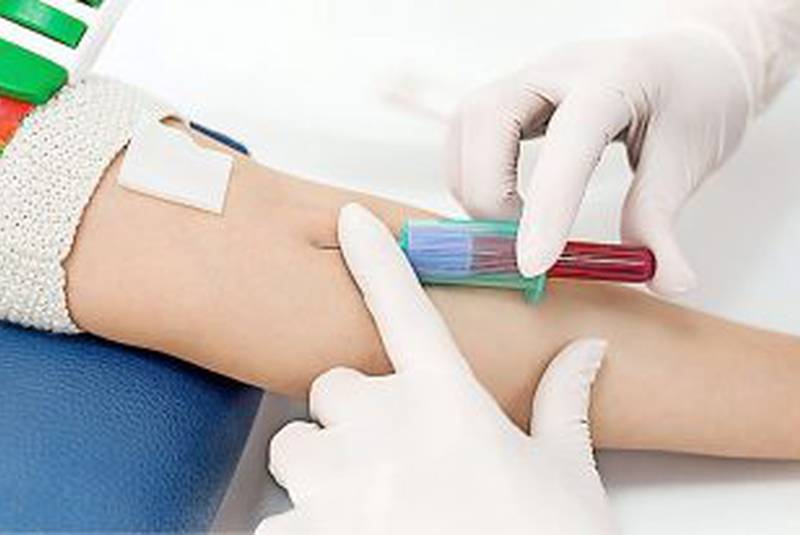
Top Tips for Aspiring Phlebotomy Instructors: How to Excel in Teaching Blood Collection Skills
Becoming a accomplished phlebotomy instructor requires more than just mastery of blood collection techniques; it demands teaching skills, leadership qualities, and a thorough understanding of student needs.Assembling these elements can transform a novice into a highly effective educator who inspires confidence in future healthcare professionals.Whether you’re starting your journey as a phlebotomy instructor or seeking ways to elevate your teaching, this complete guide offers valuable insights, practical tips, and proven strategies. Let’s explore how to excel in teaching blood collection skills and shape the next generation of phlebotomists.
Why Becoming a Skilled Phlebotomy Instructor Matters
Phlebotomy instructors play an essential role in ensuring accurate, safe, and efficient blood collection procedures. Well-trained instructors influence student confidence, competence, and adherence to safety standards, directly impacting patient care and laboratory accuracy. therefore, excelling in teaching blood collection skills is crucial for fostering a competent workforce that upholds the highest standards of healthcare.
Key Qualities of an Effective Phlebotomy Instructor
- Technical expertise: Deep understanding of blood collection procedures.
- Communication skills: Ability to clearly convey techniques and safety guidelines.
- Patience and empathy: Supporting nervous or hesitant students with encouragement.
- Adaptability: Adjusting teaching methods to different learning styles.
- Leadership qualities: Inspiring confidence and professionalism.
top Tips for Aspiring Phlebotomy Instructors
1. Master the Fundamentals of Blood Collection
Before teaching others, ensure you possess comprehensive knowledge of blood collection techniques, including:
- Venipuncture procedures
- Capillary blood sampling
- Proper use of collection equipment
- Patient identification procedures
- Handling and transportation of specimens
Keeping up-to-date with latest advancements and best practices in phlebotomy is essential. Consider certification renewal courses and attend industry seminars to deepen your expertise.
2. Develop Clear, Structured Lesson Plans
Effective teaching begins with well-organized lesson plans that include:
- Learning objectives
- Step-by-step demonstration of blood collection methods
- Hands-on practice sessions
- Safety protocols and patient communication
- Evaluation methods and feedback
Incorporate visual aids, videos, and real equipment to enhance understanding and engagement among students.
3. Cultivate Practical,Hands-on Experience
Practical experience is the cornerstone of phlebotomy training. Encourage students to practice blood draws under supervision in a controlled environment. As an instructor, your role is to provide constructive feedback, correct techniques, and boost their confidence. Include case scenarios and troubleshooting exercises to prepare students for real-world challenges.
4. Foster a Supportive and Safe Learning Environment
Attitudes matter. Create a classroom atmosphere where students feel comfortable asking questions and making mistakes. Emphasize patient safety,infection control,and ethical standards throughout your lessons. Building trust helps students develop professionalism and a caring approach.
5. Incorporate Technology and Modern Teaching Tools
Utilize digital tools such as online quizzes, interactive simulations, and learning management systems (LMS) to reinforce lessons. Virtual reality (VR) training modules are also emerging as innovative ways to simulate real blood collection procedures without risk.
6. Continuously Improve Your Teaching Skills
Attend workshops on adult learning principles, effective communication, and instructional design. Seek feedback from students and peers to identify areas for improvement. Stay active in professional organizations such as the ASCP and AMT,which offer resources and networking opportunities.
7. Obtain Relevant Certifications
| Certification | Relevance | Preparation Tips |
|---|---|---|
| Certified Phlebotomy Instructor (CPI) | Validates your teaching competence | Complete instructor training courses |
| Registered Phlebotomy Technician (RPT) | Ensures technical proficiency | Gain practical experience and pass certification exams |
| CPR and First Aid Certification | Critical for safety during blood draws | Attend approved courses and renew regularly |
Benefits of Effective Instruction
- Enhanced student confidence and competency
- Improved patient safety and experience
- Higher pass rates in certification exams
- Strengthened professional reputation
- Contributions to healthcare quality and standards
Practical Tips for Aspiring Phlebotomy instructors
- Start with small groups to ensure personalized attention.
- Use checklists to standardize procedures and ensure consistency.
- Record and review your training sessions for quality improvement.
- Build rapport with students to foster an engaging learning environment.
- Stay patient and adaptable to different learning paces and styles.
Case Study: From novice to Expert Instructor
Background: Sarah, a certified phlebotomist with five years of hands-on experience, aspired to become an instructor. She pursued additional training in adult education and obtained her Certified Phlebotomy Instructor credential.
Approach: Sarah developed comprehensive lesson plans, integrated interactive simulations, and emphasized patient communication skills.
Outcome: Her students consistently achieved high certification exam scores and reported feeling confident in performing blood draws. Sarah’s success illustrates the importance of continuous learning and practical engagement in teaching excellence.
Conclusion
Embarking on a career as a phlebotomy instructor is both rewarding and impactful. By mastering technical skills,cultivating effective teaching techniques,embracing continuous improvement,and fostering a supportive environment,aspiring instructors can excel in teaching blood collection skills.Remember, your dedication not only shapes competent healthcare professionals but also contributes considerably to safe and efficient patient care. Begin your journey today with the right knowledge, attitude, and tools to become a standout phlebotomy instructor.