**Title: The Essential Duties of a Phlebotomist: What You Need to Know**
**Introduction:**
Phlebotomists play a crucial role in the healthcare system by drawing blood from patients for various medical purposes. If you are considering a career as a phlebotomist or are simply curious about the duties involved in this profession, this article will provide you with all the essential information you need to know.
**What is a Phlebotomist?**
A phlebotomist is a healthcare professional trained to draw blood from patients for tests, blood donations, transfusions, or research purposes. They are responsible for collecting blood samples in a safe and sanitary manner, labeling them correctly, and ensuring that they are delivered to the laboratory for analysis.
**Essential Duties of a Phlebotomist:**
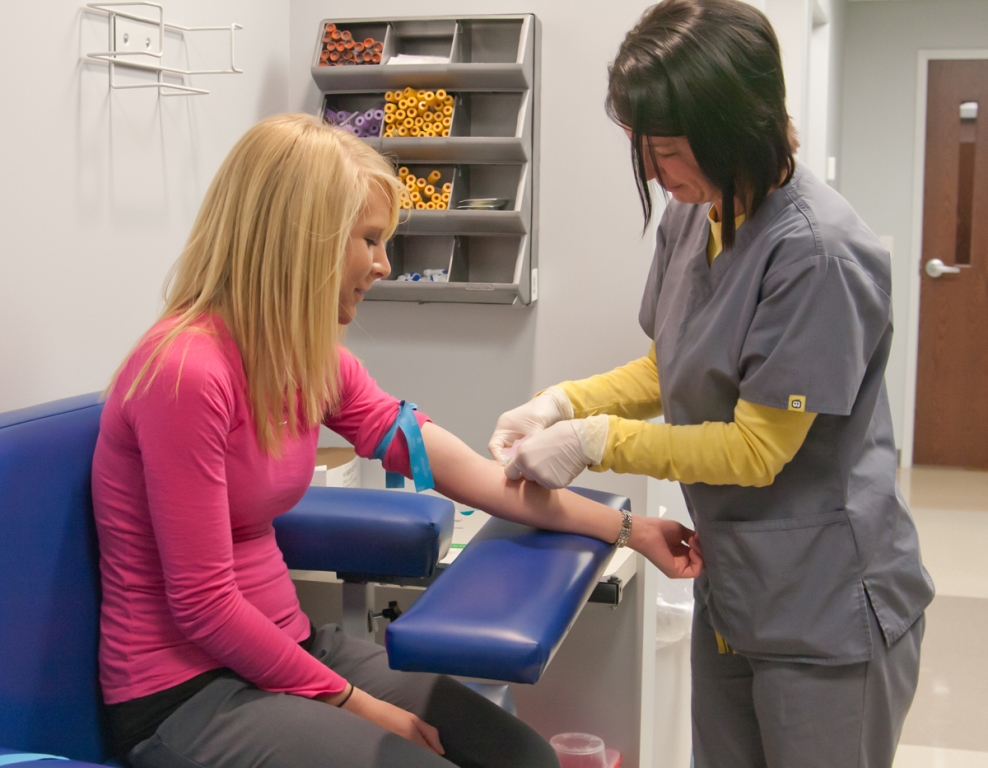
1. **Venipuncture:** One of the primary responsibilities of a phlebotomist is to perform venipuncture, which is the process of puncturing a vein with a needle to extract blood. This requires both technical skill and a gentle touch to ensure minimal discomfort for the patient.
2. **Patient Interaction:** Phlebotomists must have excellent communication skills to help patients feel at ease during the blood drawing process. They must explain the procedure clearly, address any concerns or questions the patient may have, and maintain a professional and empathetic demeanor throughout.
3. **Labeling and Processing:** After collecting blood samples, phlebotomists must correctly label each vial with the patient’s information, the date and time of collection, and any other relevant details. They are also responsible for processing and preparing the samples for transport to the laboratory.
4. **Maintaining Cleanliness:** Phlebotomists must follow strict protocols to ensure a clean and sterile environment during blood collection. This includes disinfecting the skin before drawing blood, using disposable gloves and needles, and properly disposing of biohazardous materials.
5. **Record-keeping:** Keeping accurate records of blood samples collected, patient information, and test results is another essential duty of a phlebotomist. This ensures that all data is handled confidentially and can be easily accessed when needed.
**Benefits of Being a Phlebotomist:**
– High demand for phlebotomists in healthcare settings
- Opportunities for career advancement in the medical field
– Competitive salary and benefits in the healthcare industry
**Practical Tips for Aspiring Phlebotomists:**
– Enroll in a reputable phlebotomy training program to learn the necessary skills and techniques
– Practice venipuncture on mannequins or other simulation devices to build confidence
– Obtain certification from a recognized organization to enhance your job prospects
**Conclusion:**
phlebotomy is a rewarding and essential profession that plays a vital role in patient care and medical diagnostics. By understanding the duties and responsibilities of a phlebotomist, you can better appreciate the skill and dedication required for this important healthcare role. Whether you are considering a career in phlebotomy or are simply interested in learning more about the field, this article has provided you with valuable insights into what it takes to be a successful phlebotomist.