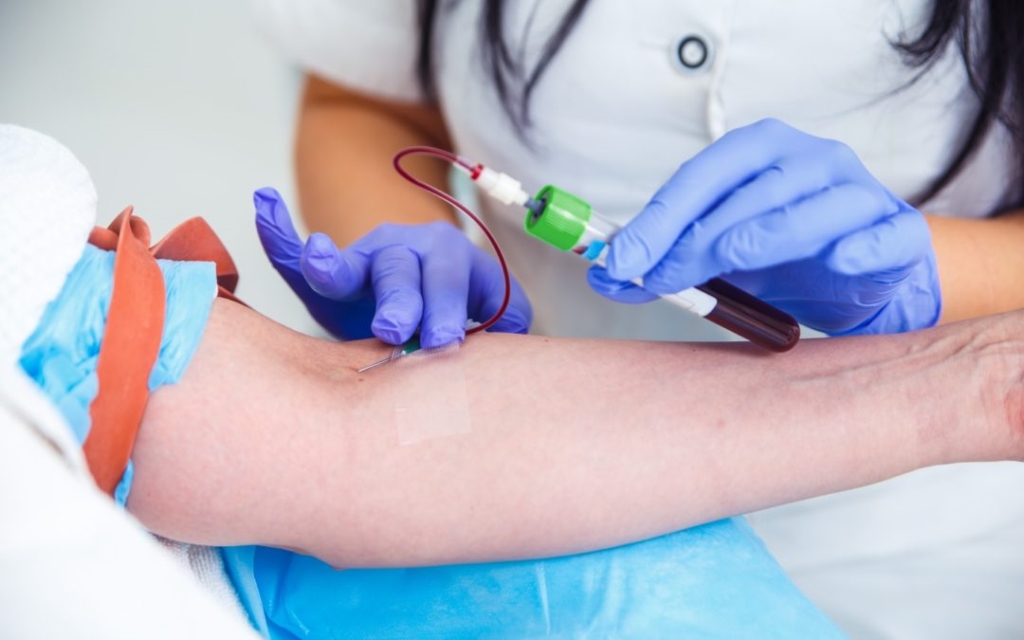
How Long Is Phlebotomy Training? Complete Guide to Certification Duration & Career Prep
Embarking on a career as a phlebotomist can be an excellent choice for those interested in healthcare, patient interaction, and laboratory procedures.One of the most common questions aspiring phlebotomists have is: How long does phlebotomy training take? In this comprehensive guide, we’ll explore the typical duration of training programs, the certification process, career prospects, practical tips, and real-world insights to help you start your journey confidently.
Understanding Phlebotomy Training Duration
Phlebotomy training programs vary in length depending on the type of course, the institution offering it, and the certification requirements in your state or country. Typically, the training duration can range from a few weeks to several months. The goal is to equip students with the necessary skills to perform venipuncture, capillary puncture, and laboratory procedures safely and efficiently.
Standard Length of Phlebotomy Training Programs
| Program Type | Duration | Format |
|---|---|---|
| Certificate Programs | 4-8 weeks | Intensive, in-person or online |
| Diploma Courses | 8-12 weeks | Part-time, hybrid formats |
| Associate Degree (with Phlebotomy Focus) | 1-2 years | In-person or hybrid college program |
| On-the-Job Training | Varies (often 1-3 months) | Work-based, supervised experience |
Certification Requirements & How Long It Takes
Obtaining certification is a critical step in becoming a licensed or certified phlebotomist.Most states and employers require certification to ensure that practitioners possess the necessary skills and knowledge.
Steps to Certification
- Complete an accredited phlebotomy training program
- Gain practical clinical experience (often included in the training)
- Pass a national or state certification exam
The time it takes to get certified essentially depends on how quickly you complete your training and prepare for the exam. Generally, the entire process from start to certification can take as little as 4-6 weeks with intensive programs or up to 3-4 months if combining part-time studies with other commitments.
Popular Certification Organizations
- American Society for Clinical Pathology (ASCP)
- National Healthcareer Association (NHA)
- American Medical Technologists (AMT)
- National Phlebotomy Association (NPA)
In-Depth look at the Phlebotomy Certification Process
The certification exam covers essential topics like specimen collection, safety protocols, patient interaction, and laboratory procedures. The exam duration typically ranges from 1 to 2 hours, and passing scores vary among certifying bodies.
Practical Tips for Certification Preparation
- Review course materials thoroughly
- Practice venipuncture techniques diligently
- Take mock exams to assess readiness
- Stay updated on safety and infection control standards
Career Preparation and Job Outlook
Once certified, phlebotomists are in high demand across hospitals, clinics, laboratories, and blood donation centers. The initial training is a stepping stone towards a stable and rewarding career in healthcare.The median annual wage for phlebotomists in the U.S., according to the bureau of Labor Statistics, was approximately $37,000 in 2022, with prospects for growth.
Other Benefits of a Phlebotomy career
- Entry-level position with minimal prerequisites
- Flexible schedules and work environments
- Opportunities for advancement into related healthcare roles
- meaningful work helping patients and supporting medical diagnoses
Practical Tips for Aspiring Phlebotomists
- Choose accredited programs: Ensure your training program is recognized by reputable certifying organizations.
- Gain diverse clinical experience: Practice with different patient populations and settings.
- Stay updated on industry standards: Continuous education can enhance your skills and employability.
- Develop good patient dialog skills: Building rapport makes the blood collection process smoother.
- Prepare financially: Budget for training costs, certification exams, and supplies.
Case Study: From Trainee to Certified Phlebotomist
Meet Sarah, who completed a 6-week certificate program offered online, followed by supervised clinical practice at a local hospital. Within two months, she passed her certification exam and secured a full-time phlebotomy position. Sarah highlights the importance of hands-on practice and dedication in accelerating her career start. Her story exemplifies how focused training can open doors in healthcare quickly and efficiently.
Additional Resources & First-Hand Experiences
Most accomplished phlebotomists recommend gaining as much practical experience as possible and seeking mentorship from experienced professionals. Joining professional associations and online forums can also provide support,latest industry updates,and networking opportunities.
Conclusion
the duration of phlebotomy training depends on your chosen pathway — from short-term certificate programs to more extensive degree courses. The typical certification process can be completed within a few weeks to a few months, making it an accessible career entry point in healthcare. With proper training and dedication, you can build a rewarding career as a certified phlebotomist, contributing significantly to patient care and medical diagnostics.
Whether you’re looking for a quick entry into healthcare or planning a long-term career, understanding the typical training durations and certification pathways is essential. Take the first step today by researching accredited programs,preparing effectively for certification,and embracing the rewarding journey of becoming a healthcare professional.