What Is Phlebotomy Training? A Complete Guide to starting Your Medical Career
If you’re considering a rewarding career in the healthcare industry, **phlebotomy training** coudl be your ideal starting point. as a vital component of medical diagnostics, phlebotomists are responsible for drawing blood samples that are crucial for patient care and laboratory testing. This thorough guide will walk you thru everything you need to know about phlebotomy training, including course requirements, benefits, practical tips, and how it can open doors to a fulfilling medical career.
Understanding Phlebotomy and Its Importance in Healthcare
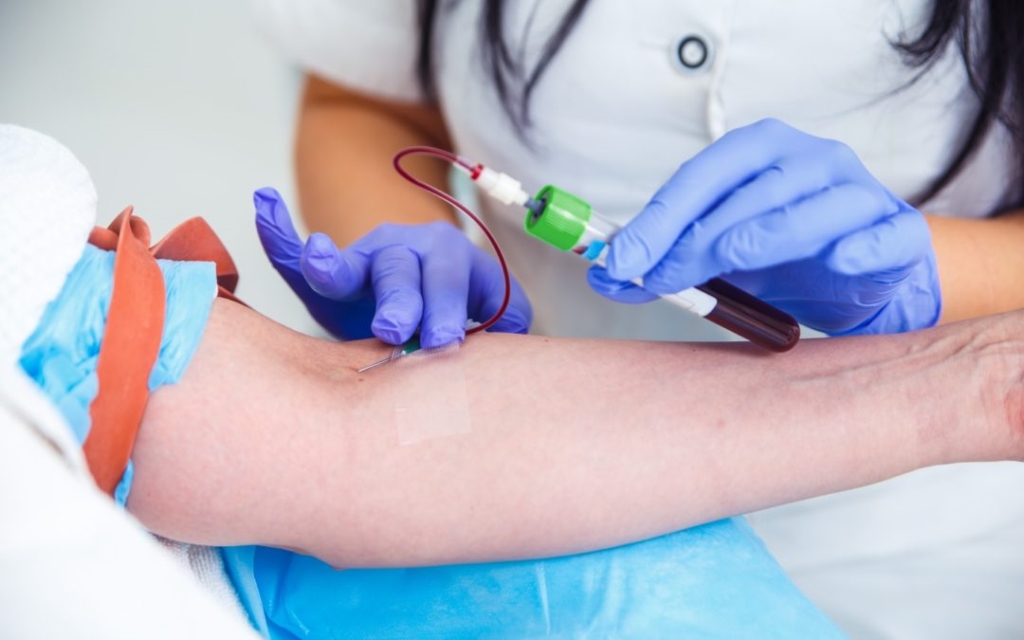
**Phlebotomy** is the medical practice of drawing blood from patients for clinical or medical testing, transfusions, research, or donations. The role requires a blend of technical skills, patient interaction, and attention to safety standards. As an indispensable part of the healthcare system, trained phlebotomists help diagnose medical conditions, monitor health, and support ongoing treatments.
What Is Phlebotomy Training? Definition and Overview
Phlebotomy training entails comprehensive education and hands-on practice designed to prepare aspiring professionals for their roles as certified phlebotomists.
- Educational Components: Anatomy and physiology, blood collection techniques, infection control, and safety protocols.
- Practical Skills: Venipuncture, skin puncture, specimen handling, and patient dialog.
- Certification Preparation: Review of exam requirements, sample questions, and building confidence for certification tests.
Core Topics Covered in Phlebotomy Training Programs
| Module | Description |
|---|---|
| Medical Terminology | Understanding medical language relevant to blood collection and patient care. |
| Anatomy & Physiology | Learning about the circulatory system, veins, arteries, and tissues involved in blood draw procedures. |
| Blood collection Techniques | Hands-on training in venipuncture, skin puncture, and equipment usage. |
| Safety & Infection Control | Practicing OSHA standards, PPE use, and contamination prevention. |
| Patient Interaction | Developing communication skills to assist patients comfortably and professionally. |
How to Become a Certified Phlebotomist
Most states and healthcare employers require phlebotomists to obtain certification after completing training. The process generally involves:
- Completing an accredited phlebotomy training program.
- Gaining hands-on clinical experience through internships or externships.
- Passing a competitive certification exam provided by organizations like the American Society for Clinical Pathology (ASCP) or the National Healthcareer Association (NHA).
Benefits of Phlebotomy Training
- Quick Entry into Healthcare: Training programs typically last between 4 to 8 weeks, allowing for rapid career launch.
- High Job Demand: The need for certified phlebotomists is expected to grow significantly, offering job stability.
- Foundation for medical careers: A stepping stone toward advanced roles such as laboratory technician, nurse, or medical technologist.
- Rewarding Work: Helping patients and making a positive impact on their health outcomes.
Practical Tips for Success in Phlebotomy Training
- Gain Hands-On Experience: Take advantage of clinical rotations and externships offered during training.
- Develop Good Communication Skills: Be approachable, empathetic, and professional with patients to build trust.
- Prioritize Safety and Hygiene: Always adhere to safety protocols to protect yourself and patients.
- Prepare for Certification exams: Use practice tests and review key concepts regularly.
- Stay Committed: Consistent effort and practice are crucial for mastering blood draw techniques.
Case Study: from Trainee to Certified Phlebotomist
Jane Doe, a recent graduate, started her journey in a 6-week phlebotomy training program. She dedicated herself to rigorous practice and classroom learning. After completing her clinical rotation, she passed her certification exam and secured a position at a local hospital. Within months, Jane reported increased confidence in her skills and job satisfaction. Her story exemplifies how intensive training combined with practical experience can lead to a prosperous career in healthcare.
Additional Certification Options and Specializations
- Adults & Pediatrics blood Collection
- IV Line Technique
- Forensic Phlebotomy
- Infection Control Specializations
Conclusion
Embarking on a career in healthcare through **phlebotomy training** offers an excellent opportunity for quick entry into the medical field,personal fulfillment,and stable employment prospects. With comprehensive education, practical experience, and certification, you can become a vital part of the patient care team. Whether you’re just starting or looking to advance your medical career, phlebotomy provides a solid foundation for growth and success in the healthcare industry.
Ready to start your journey? Research accredited phlebotomy training programs in your area, prepare diligently, and take the first step toward a fulfilling career in healthcare today!