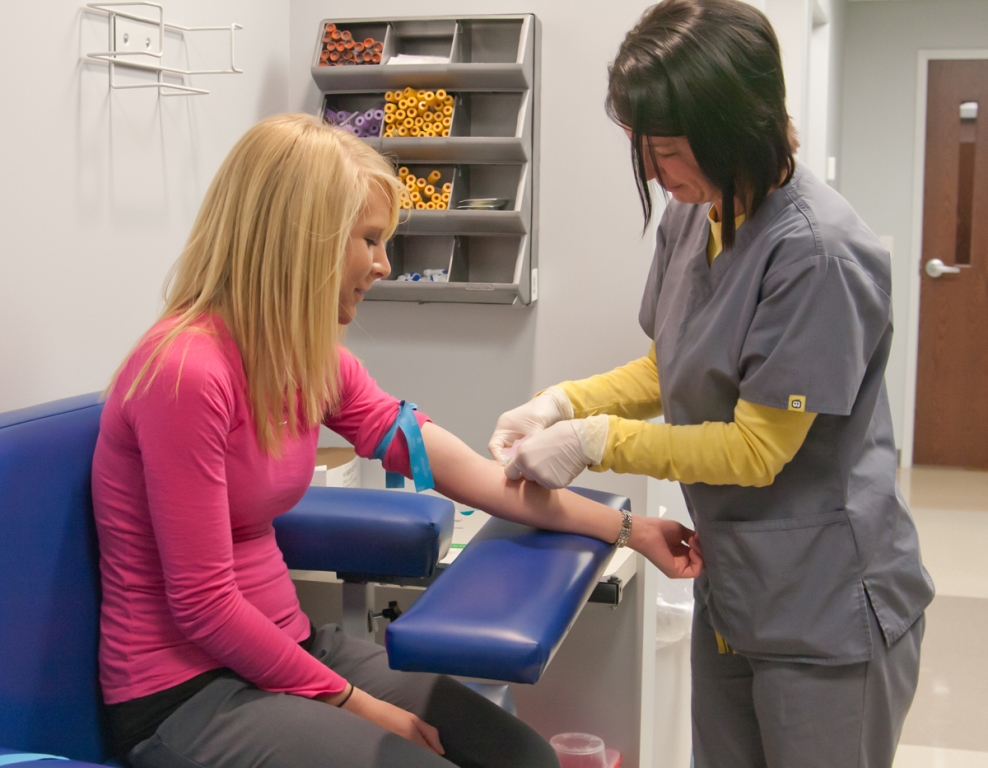
How to Get Certified in Phlebotomy: Step-by-Step Guide to Launch Your Medical Career
Embarking on a career in healthcare as a phlebotomist is a rewarding choice that combines technical skills with patient care. Certification in phlebotomy not only bolsters your credibility but also opens doors to diverse employment opportunities in hospitals, labs, and clinics. If you’re wondering how to get certified in phlebotomy, you’ve come to the right place. This comprehensive, step-by-step guide will walk you through the entire process, ensuring you’re well-prepared to launch your successful medical career.
Introduction
Phlebotomy is a vital component of healthcare, involving the collection of blood samples for testing, transfusions, research, and donation. Certified phlebotomists are in high demand due to the essential nature of their work, making it an attractive career path for those interested in medical assisting and patient interaction. Gaining certification demonstrates your competence, dedication, and readiness to undertake this critical role. So, how can you become a certified phlebotomist? Let’s explore the detailed steps.
Step 1: Understand the Role and Requirements of a Certified Phlebotomist
Before diving into training programs, it’s meaningful to understand what the role entails and the basic requirements:
- collect blood samples safely and accurately
- Follow proper safety and infection control procedures
- Provide excellent patient care and comfort
- Maintain accurate records and sample labeling
Most states and employers require phlebotomists to be certified, though requirements can vary by location.
Step 2: Meet the Prerequisites
To qualify for phlebotomy certification programs, applicants typically need:
- High school diploma or GED
- Minimum age of 18 years
- Clean criminal background (some states/organizations may require background checks)
- Basic computer skills (for some programs and certification examinations)
Ensure you check the specific requirements of your state or the certification agency you intend to apply to.
Step 3: Enroll in a Certified phlebotomy Training Program
The next step involves choosing a reputable training program. These programs equip you with the technical skills and knowledge necessary for certification and employment.
Types of Training Programs
- Community colleges and vocational schools
- Online courses with practical components
- Hospital-based training programs
Look for programs accredited by organizations such as the National healthcareer Association (NHA) or American Society for Clinical Pathology (ASCP).
What Does a Phlebotomy training Program Cover?
- Venipuncture techniques
- Capillary puncture (finger and heel sticks)
- Safety and infection control
- Sample labeling and handling
- Patient interaction and communication skills
- Basic anatomy and physiology
Step 4: Complete Clinical Practicum Hours
Most certification programs require a specific number of supervised practical hours (usually 40-100 hours). This hands-on experience allows you to develop confidence and proficiency in blood collection techniques. ensure your program offers a solid clinical component, or seek externship opportunities through hospitals or clinics.
Step 5: obtain and Pass a Certified Phlebotomy Exam
Once your training and clinical hours are completed, the next step is to pass a certification exam. Popular certifying agencies include:
| Certification Agency | Exam Name | Eligibility Requirements |
|---|---|---|
| National Healthcareer association (NHA) | Certified phlebotomy Technician (CPT) | Completion of training & clinical hours, high school diploma |
| American Society for Clinical Pathology (ASCP) | Board of Certification (BOC) in Phlebotomy | Training, clinical hours, and relevant experience |
| American Medical Certification Association (AMCA) | Certified Clinical Phlebotomy Technician | Training, clinical practicum, and exam fee |
Preparing thoroughly for the exam by reviewing the test content, practicing blood collection techniques, and studying relevant anatomy will improve your chances of success.
Step 6: Maintain and Renew Your Certification
Many certifying agencies require recertification every 2-3 years. continuing education, professional advancement, and paying renewal fees are essential for maintaining your certification and staying current with industry standards.
Benefits of getting Certified in Phlebotomy
Becoming certified in phlebotomy offers numerous advantages that boost your career prospects and professional credibility:
- Enhanced employability: Certification makes you more competitive in the job market.
- Higher earning potential: Certified phlebotomists frequently enough earn higher wages then non-certified counterparts.
- Better job security: Certification demonstrates commitment and expertise,which employers value.
- Opportunities for advancement: Certification can lead to supervisory roles or specialization in areas like immunology or pediatric phlebotomy.
Practical Tips for a Successful Certification Journey
- Choose an accredited program to ensure quality training.
- Gain hands-on experience during clinical rotations.
- Prepare thoroughly for your certification exam with practice tests.
- Stay informed about state-specific requirements and regulations.
- Join professional organizations like the NHA to network and stay updated.
Case Study: A Success Story
Sarah, a recent high school graduate, decided to pursue a career in healthcare. After enrolling in an accredited phlebotomy program, she completed her clinical hours and passed her certification exam on the first attempt. Today, Sarah works in a busy hospital lab, enjoying patient interactions and team collaboration. Her certification opened doors to further certifications and specialization, positioning her for long-term growth in healthcare.
First-Hand Experience: What to Expect
Many students report that hands-on practice is the most critical aspect of successful phlebotomy training. Expect to practice multiple blood draws, learn patient communication, and adapt to different scenarios. Keeping a positive attitude and being patient with yourself will lead to mastery and confidence in your skills.
Conclusion
Becoming a certified phlebotomist is a practical and achievable goal that can set you on a rewarding medical career path. By understanding the necessary steps—from meeting prerequisites and selecting accredited training programs to passing the certification exam—you can confidently navigate the process. Remember, certification not only enhances your credibility but also expands your job opportunities and professional growth in the healthcare industry. Start your journey today,and take your first step toward a fulfilling career as a certified phlebotomy technician!