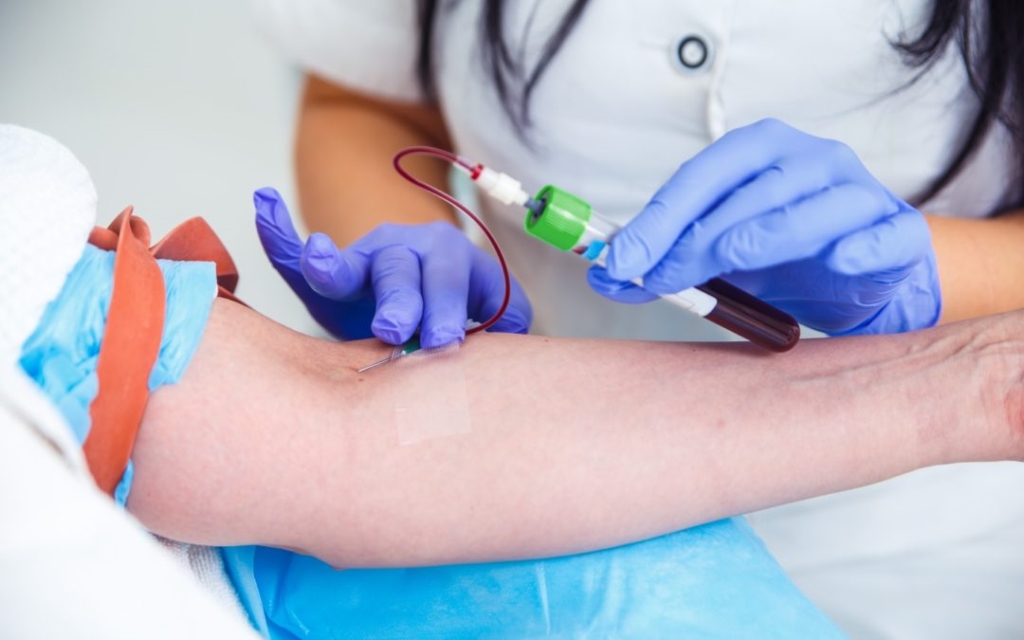
Phlebotomy Certification Costs: How Much Does It Really Cost to Become a Certified Phlebotomist?
Embarking on a career as a certified phlebotomist can be an exciting and rewarding decision. But one of the first questions aspiring professionals ask is, “How much does it cost to become certified?” Understanding the financial investment involved is crucial for planning yoru training, setting realistic goals, and ensuring you’re prepared for the journey ahead. In this thorough guide, we’ll explore the real costs of phlebotomy certification, break down the expenses, and offer practical tips to help you navigate your path to becoming a certified phlebotomist.
What is Phlebotomy Certification?
Phlebotomy certification is a credential awarded to healthcare professionals who have completed specified training and passed a certification exam. this credential demonstrates competence in blood collection techniques, patient care, and safety procedures. Most employers require or prefer certified phlebotomists, making certification a valuable step in advancing your healthcare career.
Breaking down the Costs of Becoming a Certified Phlebotomist
1. Phlebotomy Training Program Fees
The largest component of your investment will likely be the training program. Courses vary depending on location, program duration, and provider, but here’s what you can expect:
- Community colleges and vocational schools: $700 – $2,500
- Private training centers: $1,000 – $3,500
- Online programs combined with local labs: $500 – $2,000
Training programs typically include classroom instruction, hands-on practicum, and sometimes, introductory certification prep. The quality and comprehensiveness of the program directly impact your chances of passing the certification exam and succeeding in your role.
2. Certification Exam Fees
once you complete your training, you’re usually required to pass a certification exam administered by recognized organizations such as the American Society for Clinical Pathology (ASCP), National Phlebotomy Association (NPA), or the American Medical Technologists (AMT). exam fees generally range from:
Fees vary depending on the certifying body and whether you’re a member of that organization. Membership frequently enough offers discounts and additional resources.
3. Certification Preparation Materials
Preparing for your certification exam might involve purchasing study guides, flashcards, or online courses, costing roughly:
- Study guides: $30 – $100
- Online prep courses: $50 – $300
- Practice exams and flashcards: $20 – $50
Proper preparation can substantially increase your chances of passing on the first attempt, saving you time and additional test fees.
4.Additional Costs
- CPR/BLS certification: $50 – $100 — frequently enough required for certification and employment.
- Intravenous (IV) training: Optional but beneficial; costs vary.
- Uniforms and supplies: $50 – $150 for gloves, tourniquets, and other essentials.
- Related licensure or state-specific fees: May vary depending on your location.
estimated Total Costs to Become a Certified Phlebotomist
Adding up all these expenses, the total cost to become a certified phlebotomist typically falls within the following ranges:
Keep in mind that these are approximate costs and can vary based on the program and geographical location. Planning ahead and budgeting accordingly will help ensure a smoother transition into your new profession.
Benefits of Investing in Certification
- enhanced employability: Certified phlebotomists are preferred by most healthcare providers.
- Higher earning potential: Certification often correlates with increased salary opportunities.
- Professional credibility: Certification demonstrates competence and commitment to quality care.
- Career advancement: Opens doors to positions in hospitals, laboratories, clinics, and mobile phlebotomy services.
Practical tips to Minimize Certification Costs
- Compare programs: Shop around for quality training that offers diploma or certificate recognition at a reasonable price.
- Use scholarships and financial aid: Some community colleges and vocational schools offer financial assistance for healthcare programs.
- Join professional organizations: Membership discounts on exam fees and study resources can save you money.
- Gain hands-on experiance: Volunteering or seeking internships can reduce pocket expenses and increase your skill set.
- Plan ahead: Budget for all related costs, including supplies and supplemental certifications, to avoid unexpected expenses.
Case Studies: Real Costs from Successful Phlebotomists
First-Hand Experience: Tips from Certified Phlebotomists
“Investing in a comprehensive training program paid off. The hands-on practice made me confident during the exam and on the job,” says Sarah, a certified phlebotomist. “Be sure to budget for supplies and certification prep, and don’t rush the process.Patience and thorough preparation lead to success.”
Conclusion
Becoming a certified phlebotomist involves a range of costs, from training programs and certification exams to supplies and additional certifications. On average, you can expect to spend anywhere from around $950 to over $4,300 to get fully certified and ready to enter the workforce. Planning, budgeting, and selecting the right training path are essential steps toward achieving your career goals in healthcare.
By understanding these costs upfront and leveraging practical tips, you can embark on your journey to becoming a certified phlebotomist with confidence. remember, this investment not only certifies your skills but also opens doors to a rewarding and impactful healthcare career.