Get Certified in Phlebotomy Today: Your Path too a Rewarding Healthcare Career
Are you interested in entering the healthcare field but unsure where to start? Becoming a certified phlebotomist might be the perfect career move for you. With the demand for healthcare professionals growing rapidly,phlebotomy certification opens doors to rewarding opportunities in hospitals,clinics,laboratories,and more.In this comprehensive guide, we’ll walk you through everything you need to know about how to get certified in phlebotomy and why it’s a great choice for your future.
What is Phlebotomy?
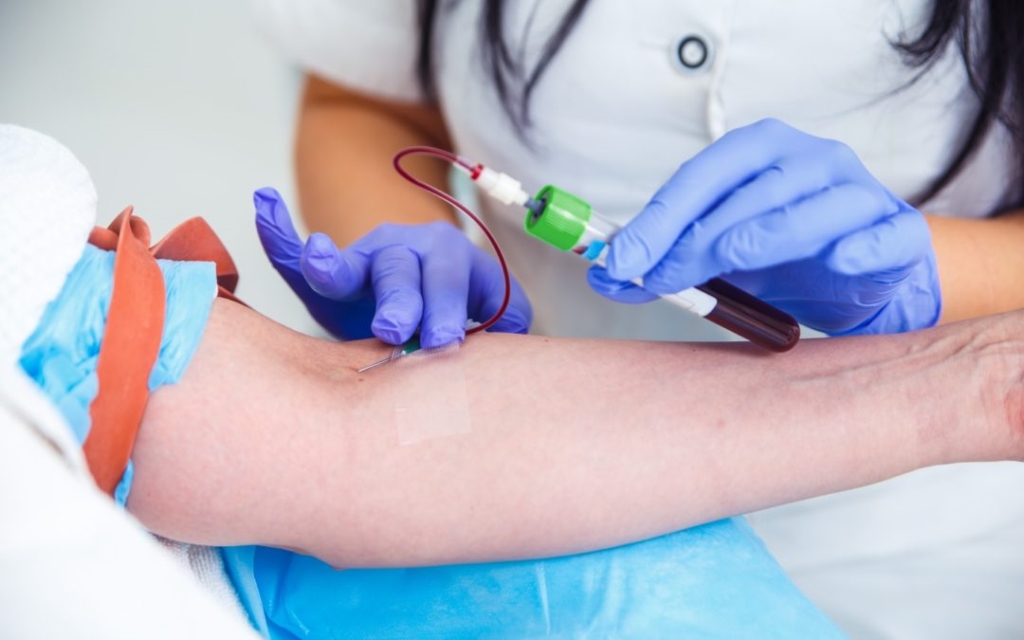
Phlebotomy involves drawing blood for laboratory testing, blood donations, transfusions, or research. As a phlebotomist, your primary responsibilities include:
- Collecting blood samples safely and efficiently
- Properly labeling and handling specimens
- Ensuring patient comfort and safety
- Maintaining sterile techniques and adhering to health and safety regulations
Why Choose a Career in Phlebotomy?
Embarking on a career in phlebotomy offers several advantages, making it an attractive option for many aspiring healthcare professionals:
- High demand: The healthcare industry continually seeks qualified phlebotomists due to the essential nature of blood collection.
- Short training period: Most certification courses can be completed within a few months.
- Competitive salary: Entry-level phlebotomists earn a solid income, with potential for growth.
- Flexible work environments: Opportunities exist in hospitals, clinics, laboratories, blood banks, and mobile healthcare units.
- foundation for healthcare careers: Certification can be a stepping stone toward advanced roles such as medical technologist or healthcare administrator.
How to Get certified in Phlebotomy: Step-by-Step Guide
Becoming certified in phlebotomy involves a clear set of steps. Let’s explore each stage in detail:
1. Meet Basic Requirements
Most programs require:
- Minimum age of 18 years
- High school diploma or GED
- Basic understanding of biology and anatomy
2. Complete a Recognized Phlebotomy Training Program
The training typically includes classroom instruction and supervised clinical practice. Look for programs accredited by reputable bodies such as the National Accrediting Agency for Clinical Laboratory Sciences (NAACLS) or the American Society for Clinical Pathology (ASCP).
3. Gain Practical Experience
Hands-on experience is critical. During training, you’ll perform blood draws efficiently, learn about patient interactions, and adhere to safety protocols.
4.Pass the Certification Exam
After completing training requirements, you will need to pass a certification exam.The most recognized certifications include:
| Certification Exam | Provider | prerequisites |
|---|---|---|
| Certified Phlebotomy Technician (CPT) | American Society for Clinical Pathology (ASCP) | Completion of approved training & clinical experience |
| National Phlebotomy Certification (NPT) | National Healthcareer Association (NHA) | High school diploma & clinical hours |
| american Society for Clinical Pathology (ASCP) | ASCP board of Certification | Training plus work experience |
5. Obtain State Licensure or Certification (if required)
Some states mandate licensure or certification to work as a phlebotomist, so check your state’s requirements and apply accordingly.
Benefits of Getting Certified in Phlebotomy
Certification not only validates your skills but also enhances your career prospects. Here are some key benefits:
- Increased job opportunities and employability
- Higher earning potential
- Recognition as a trained healthcare professional
- Enhanced patient safety standards
- Possibility for continuous career progress
Practical Tips for Aspiring Phlebotomists
To help you succeed in your journey towards certification and beyond,consider the following tips:
- Choose accredited programs: Ensure your training program is recognized by national accrediting bodies.
- Develop good interpersonal skills: Patient interaction is critical; being compassionate and communicative improves the experience.
- Practice proper safety protocols: always follow standard precautions to prevent contamination and injury.
- Stay informed: Keep up with the latest industry standards and certification requirements.
- Seek mentorship: Connect with experienced professionals for guidance and advice.
Case Study: From Novice to Certified Phlebotomist
Meet Sarah, who decided to pursue a career in healthcare but was unsure where to start. After researching, she enrolled in an accredited phlebotomy training program. Within three months, she completed her classroom and clinical hours. She then passed her certification exam and quickly secured a position at a local blood bank. Sarah’s dedication and certification not only led to a fulfilling career but also provided a stepping stone for further healthcare studies.
Conclusion
Getting certified in phlebotomy is a strategic move towards entering the thriving healthcare industry. With a relatively quick training period and strong job prospects, certified phlebotomists enjoy rewarding careers that make a genuine difference in patients’ lives. If you’re looking for a healthcare career that combines technical skills, patient care, and career growth, start your journey today by enrolling in a recognized phlebotomy certification program. The healthcare sector needs dedicated professionals like you-why wait? Take the first step towards a fulfilling healthcare profession now!